What to Do When a Pipe Bursts in Your Dayton Home
A burst pipe can turn an ordinary winter morning into an emergency in seconds. Water sprays from behind a wall, drips through a ceiling, or spreads across a basement floor, and every minute it keeps running adds to the damage. If a pipe has just burst in your home, the first thing to do is shut off your main water valve. Then work through the steps below.
Dayton winters are hard on plumbing. The Miami Valley sees repeated freeze and thaw cycles from December through February, and many homes in Dayton, Kettering, Oakwood, and surrounding communities were built decades ago with pipes running through exterior walls, unheated crawl spaces, and lightly insulated basements. When temperatures drop into the teens and low 20s, those pipes are the first to freeze and split.
This guide walks you through what to do if pipes burst, the warning signs of a hidden leak, how burst pipe water damage spreads, what professional cleanup looks like, and how homeowners insurance typically handles burst pipe claims in Ohio.
What to Do If Pipes Burst: 7 Steps to Take Right Away
When a pipe bursts, acting quickly limits the damage, lowers repair costs, and protects your insurance claim. Follow these steps in order.
1. Shut Off the Main Water Valve
Stopping the water is your top priority. In most Dayton homes, the main shutoff valve is on the basement wall facing the street, near the water heater, or in the crawl space where the water line enters the house. Turn the valve clockwise until it stops. If you can’t find it or it won’t turn, call your water utility to shut off service at the curb. Take a few minutes before winter to locate your valve and make sure everyone in the house knows where it is.
2. Turn Off Electricity in Wet Areas
Water and electricity are a dangerous combination. If water is near outlets, appliances, extension cords, or your electrical panel, shut off power to those areas at the breaker box. Never walk through standing water to reach the panel. If you can’t get to it safely, leave the area and call an electrician or your utility.
3. Open Faucets to Drain the Lines
Once the main valve is off, open the cold water faucets throughout the house and flush the toilets. This relieves pressure in the system and drains the water still sitting in the pipes, which reduces how much more water escapes from the break.
4. Call a Plumber to Repair the Pipe
A licensed plumber can find the break, repair or replace the damaged section, and check nearby pipes for cracks you can’t see. Until the repair is complete, keep the main water valve off.
5. Call a Water Damage Restoration Company
Repairing the pipe stops the leak, but it doesn’t remove the water already soaked into your floors, walls, and ceilings. Professional drying should begin within 24 to 48 hours to prevent mold growth and structural damage. A restoration company can extract standing water, measure hidden moisture, and set up commercial drying equipment the same day.
6. Document Everything for Insurance
Before cleanup begins, take clear photos and video of the damaged areas, the broken pipe, standing water, and any damaged furniture, flooring, or personal belongings. Keep the broken section of pipe if the plumber removes it. Save every receipt for emergency repairs and mitigation, since your insurance company will ask for them.
7. Move Belongings and Remove Water You Can Safely Reach
Move furniture, electronics, rugs, and valuables out of wet areas. Place aluminum foil or wood blocks under furniture legs that can’t be moved to keep them from absorbing water. Use towels, mops, or a wet vacuum on small amounts of water, and leave larger volumes to professionals with extraction equipment.
Signs of a Burst Pipe in Your Home
Not every burst pipe announces itself with a flood. Smaller breaks and cracks inside walls or under floors can leak for days before anyone notices.
Watch for these signs of a burst pipe:
- A water bill that is much higher than usual with no change in water use
- Low or sputtering water pressure at faucets
- The sound of running or dripping water when no fixtures are on
- Discolored, rusty, or foul-smelling water
- A musty odor in one room or area of the house
- Damp spots, puddles, or water stains that keep coming back
Pipe Burst in Wall: What to Look For
A pipe burst in a wall is one of the hardest leaks to spot because the water stays hidden behind drywall. Look for bubbling or peeling paint, warped or soft drywall, yellow or brown stains, swollen baseboards, and loose tiles near a wet wall. Walls that share space with kitchens, bathrooms, or laundry rooms are the most common trouble spots.
Burst Pipe in Basement or Crawl Space
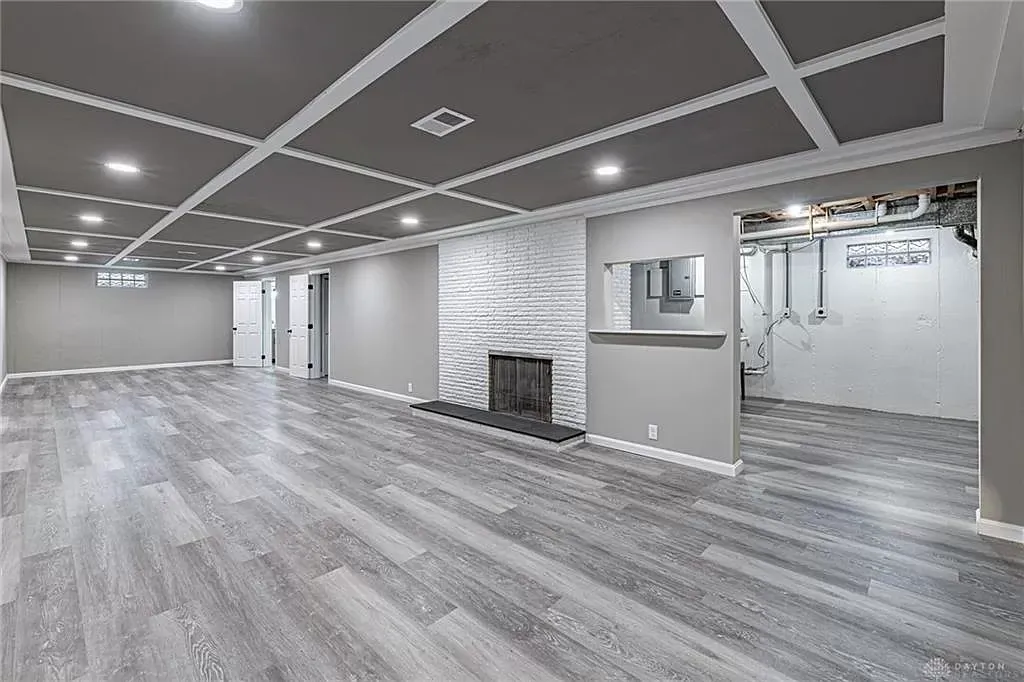
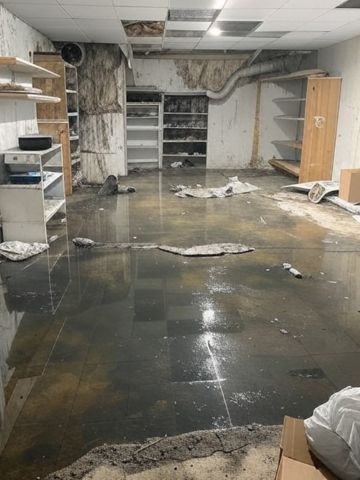
A burst pipe in the basement or crawl space often shows up as water pooling near foundation walls, wet or sagging insulation, damp floor joists, or a sudden rise in humidity. Because these areas are out of sight, a leak can run for days. If water is spreading across your basement floor, our guide on What to Do After Basement Flooding in Dayton, Ohio covers the next steps.
Why Pipes Burst During Dayton Winters
Pipes don’t burst because ice forms inside them. They burst because of the pressure that builds when water freezes. Ice expands as it forms and creates a blockage, and water pressure builds between that blockage and the closed faucet until the pipe splits. The break often appears in a section of pipe that never froze at all.
The pipes most at risk in Miami Valley homes include:
- Pipes running through exterior walls, especially behind kitchen sinks
- Plumbing in unheated garages, crawl spaces, and attics
- Outdoor hose bibs and sprinkler lines that weren’t drained in the fall
- Older pipes in homes with limited insulation
Much of the housing in Dayton and inner-ring suburbs like Kettering, Oakwood, and Huber Heights was built before modern insulation standards, which leaves plumbing more exposed during cold snaps. Burst pipes also tend to show up during the thaw, when water starts moving through lines that cracked while frozen. For ways to protect your plumbing before the next cold snap, read How to Prevent Frozen Pipes This Winter in Dayton.
How Burst Pipe Water Damage Spreads
Burst pipe water damage almost always reaches farther than it looks. Water moves quickly, and what you see on the surface is only part of the problem.
Water wicks upward into drywall, soaks into insulation, and seeps under flooring into the subfloor and carpet padding. On upper floors, it travels down through ceiling cavities and can come through light fixtures or stain ceilings in rooms far from the original leak. Wood framing and subfloors absorb water and can swell, warp, or weaken over time.
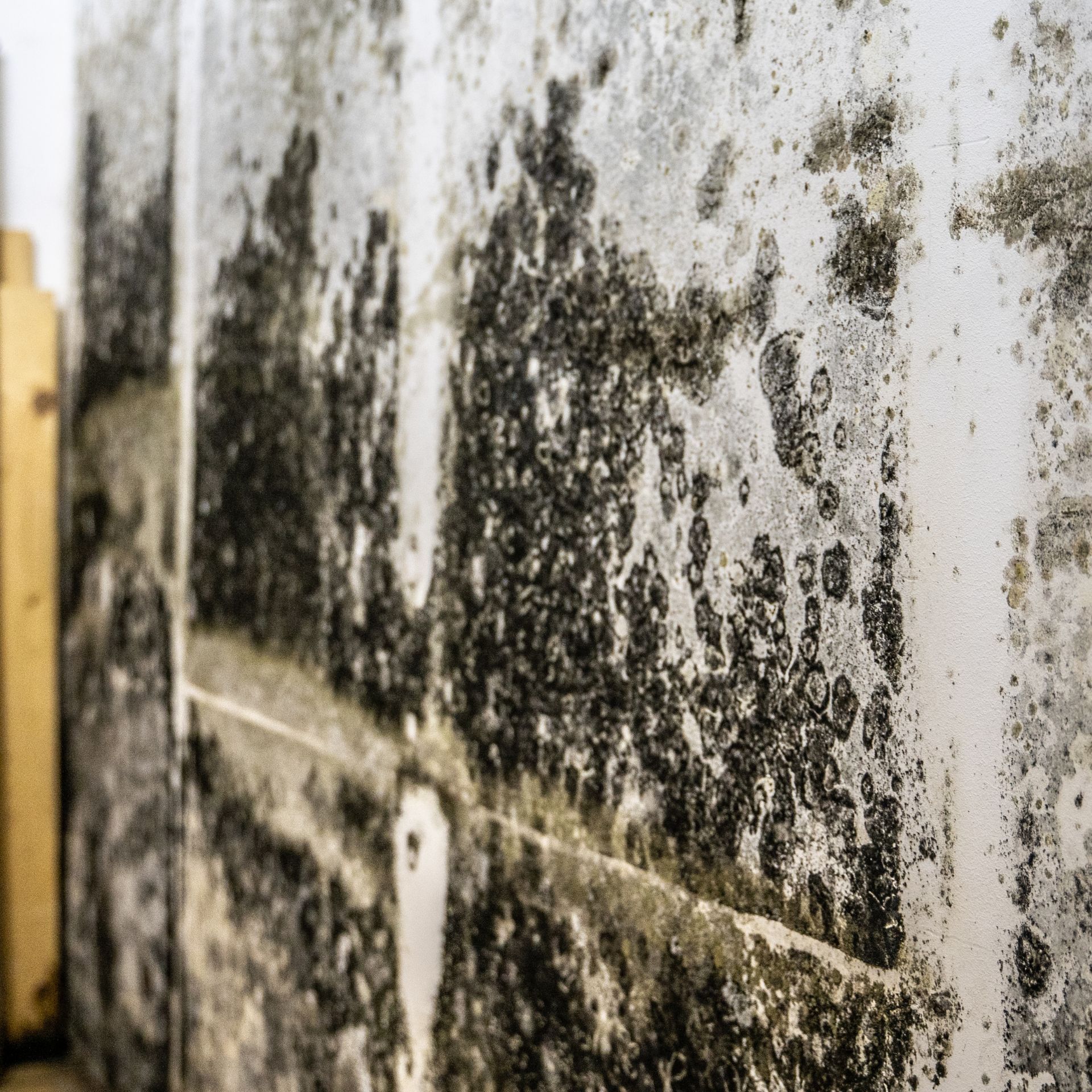
Mold is the biggest concern. Mold can begin growing on damp drywall, wood, and insulation within 24 to 48 hours, and it often grows inside walls and under floors where you can’t see it. Box fans and towels can dry the surface, but they rarely remove moisture trapped inside building materials. That hidden moisture leads to musty odors, mold growth, and damage that shows up weeks or months later.
To learn where mold is most likely to grow after water damage, see Top Places Mold Hides After Flooding in Dayton Basements.
Professional Burst Pipe Cleanup: What the Process Looks Like
Professional burst pipe cleanup goes beyond mopping up water. The goal is to dry your home completely, prevent mold, and restore damaged areas to their original condition. Here’s what the process looks like with DryMaxx.
Inspection and Moisture Mapping
Our technicians start by inspecting the affected areas with moisture meters and thermal imaging cameras. These tools show where water has traveled behind walls, under floors, and into ceilings, so nothing gets missed.
Water Extraction
Next, we remove standing water with truck-mounted and portable extraction equipment. Fast extraction shortens drying time and limits how much water soaks into building materials.
Structural Drying and Dehumidification
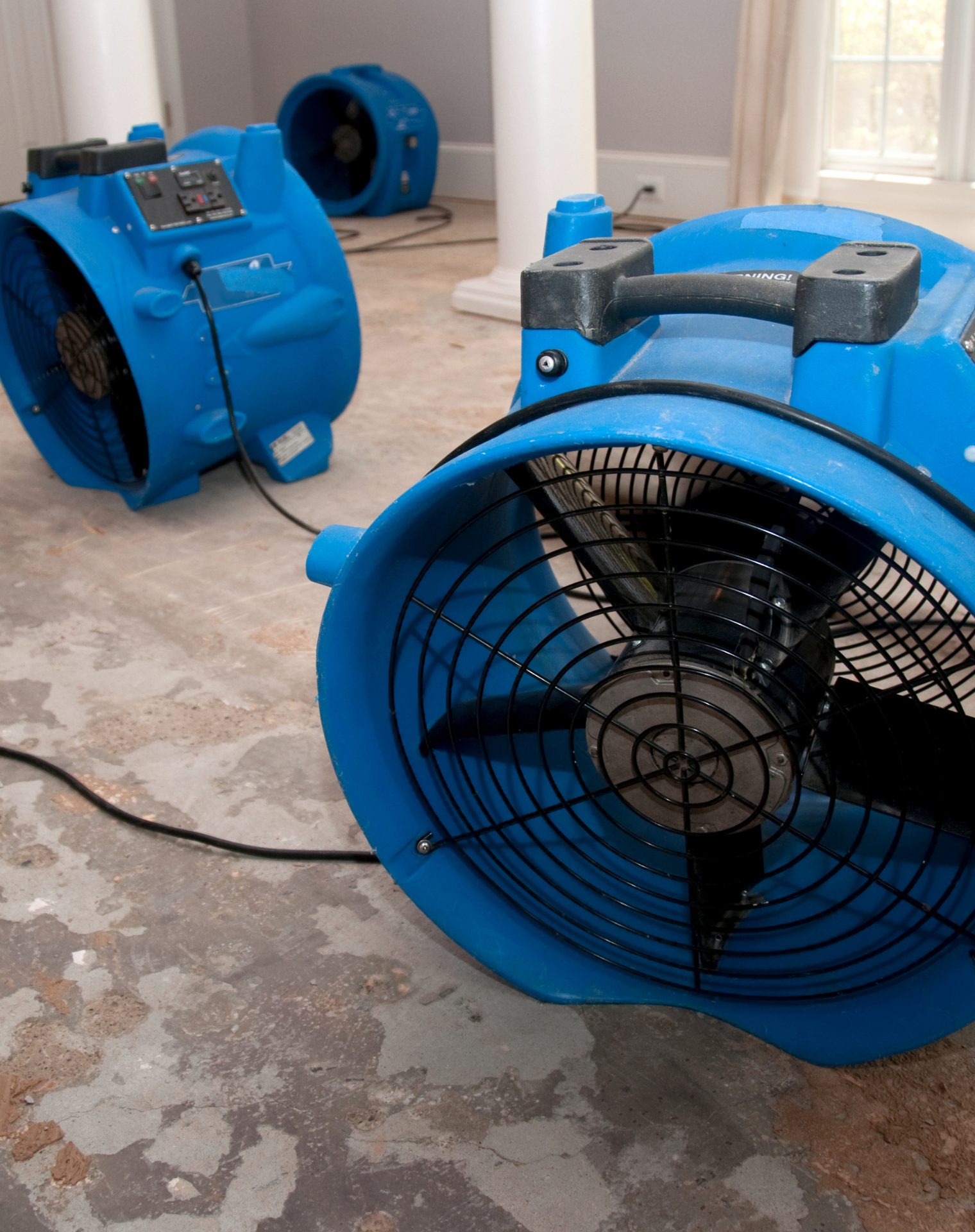
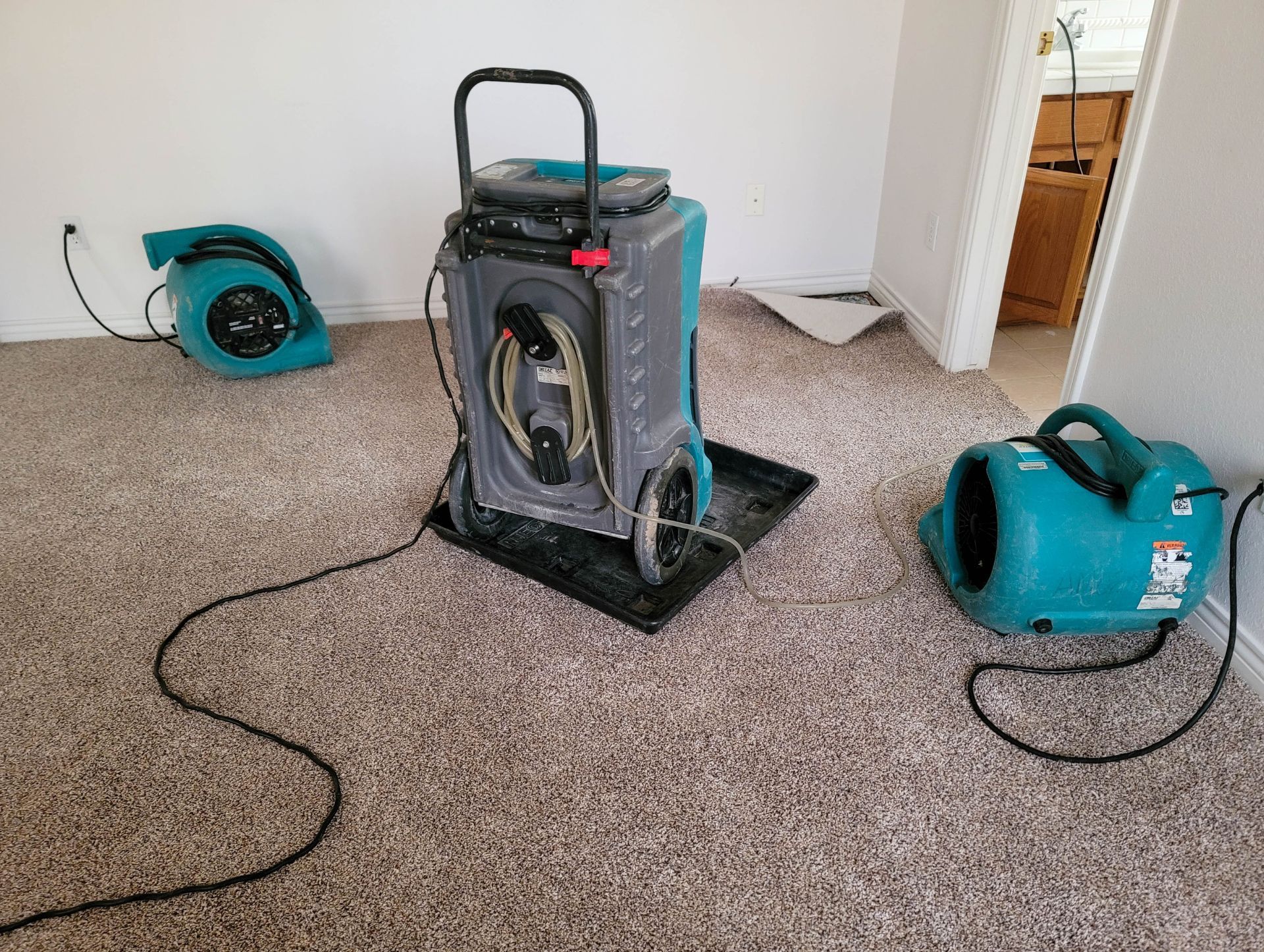
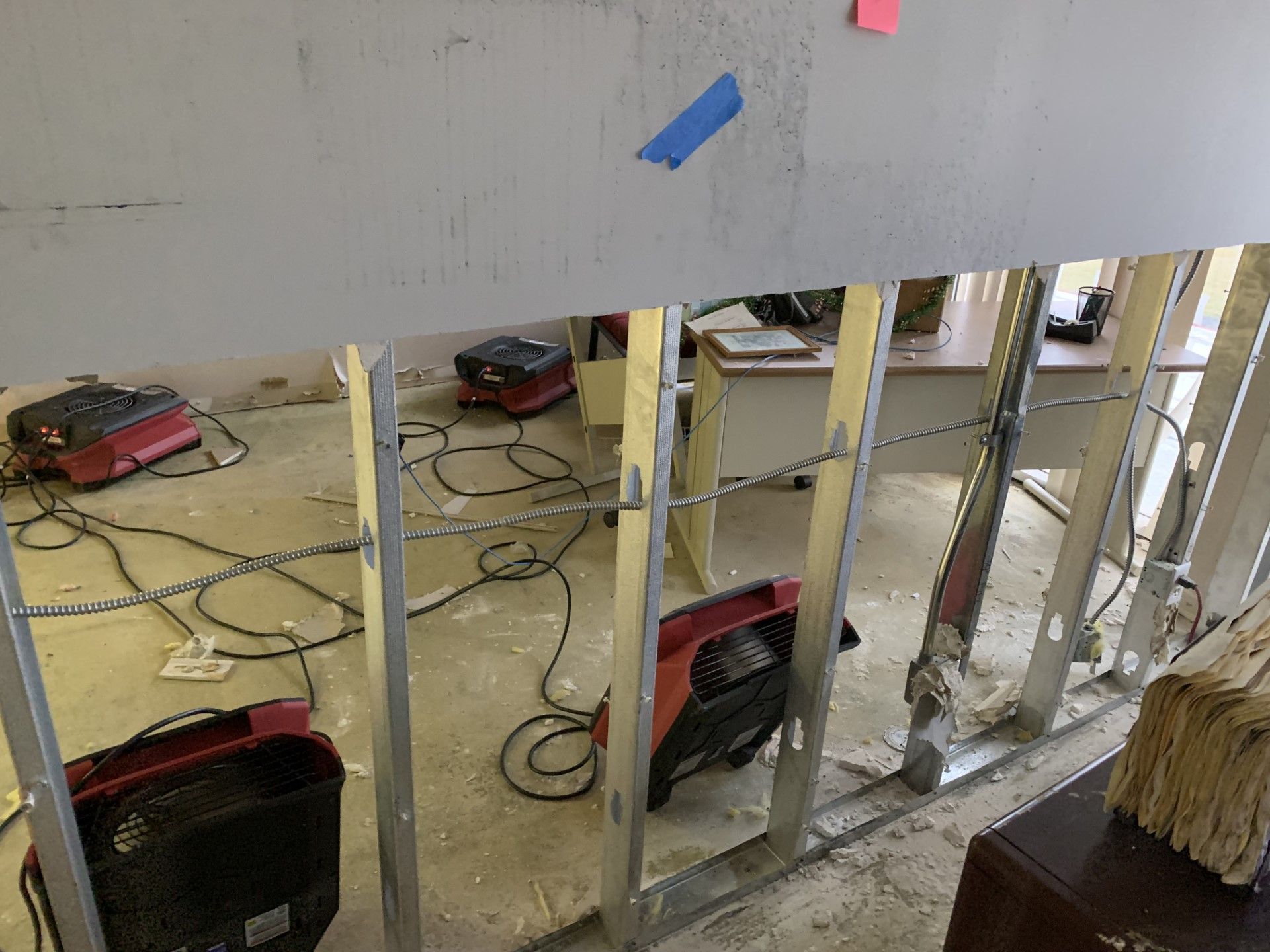
We set up commercial air movers and dehumidifiers to dry walls, floors, and framing. Our team monitors moisture levels daily and adjusts equipment until every area reaches safe, dry readings.
Cleaning and Antimicrobial Treatment
Affected surfaces are cleaned and treated with antimicrobial products to prevent mold and bacteria growth. Damaged materials that can’t be saved, such as soaked carpet padding or saturated drywall, are removed safely.
Repairs and Reconstruction
Once everything is dry, we handle the repairs, from drywall and paint to flooring and trim. Working with one team from emergency cleanup through reconstruction keeps your project on schedule and simplifies your insurance claim.
DryMaxx technicians are IICRC certified and follow industry drying standards on every job. To learn more about what happens during an emergency visit, read Emergency Water Damage Services Near Dayton: What to Expect or visit our water damage restoration page.
Does Homeowners Insurance Cover Burst Pipes in Ohio?
In many cases, yes. Most standard homeowners insurance policies cover water damage from a pipe that bursts suddenly and accidentally, including the cost to dry out and repair your home. Coverage often does not include the cost of repairing the pipe itself, and every policy is different, so review yours carefully.
Claims are more likely to be denied when:
- The leak was slow and happened over time
- The damage resulted from poor maintenance or a known plumbing problem
- The home was vacant or not kept heated when the pipes froze
To protect your claim, report the damage to your insurance company as soon as possible, document everything before cleanup begins, and keep receipts for emergency mitigation. Insurers expect homeowners to take reasonable steps to prevent further damage, so calling a restoration company quickly works in your favor.
DryMaxx works directly with insurance companies and helps homeowners through the claims process, from documentation to final repairs. For a deeper look at coverage, read Does Homeowners Insurance Cover Water Damage in Ohio?
Burst Pipe Cleanup in Dayton and the Miami Valley
When a pipe bursts, you need a local team that responds fast and knows how to dry your home the right way. DryMaxx is a locally owned water damage restoration company that has served Miami Valley homeowners since 2017. Our IICRC-certified technicians handle everything from emergency water extraction and structural drying to mold prevention and full repairs, and we work directly with your insurance company to make the claims process easier.
We provide burst pipe cleanup throughout Dayton, Kettering, Centerville, Beavercreek, Huber Heights, Springboro, Fairborn, Xenia, Miamisburg, and surrounding communities.
Pipe burst? Shut off your water and call DryMaxx now. Our team will get to work fast to stop the damage and restore your home.
Burst Pipe FAQs For Dayton Homes
Does insurance cover frozen pipes?
Most homeowners' policies cover sudden water damage caused by frozen pipes that burst. Claims may be denied if the home was left unheated or vacant, or if the damage happened slowly over time. Check your policy and contact your insurer right away after a burst pipe.
How long does it take for water damage to dry after a burst pipe?
Most homes dry in about three to five days with professional equipment. Drying time depends on how much water was released, how long it sat, and which materials were affected. Hardwood floors, plaster walls, and heavily saturated areas can take longer.
Can I still use water in my house after a pipe bursts?
Keep the main water valve off until a plumber repairs the pipe or isolates the damaged section. Once the repair is complete and the system is tested, you can turn the water back on.
How fast does mold grow after a pipe bursts?
Mold can start growing within 24 to 48 hours on damp drywall, wood, carpet, and insulation. Starting professional drying quickly is the best way to prevent it.
How do I safely thaw a frozen pipe before it bursts?
Open the faucet connected to the pipe, then warm the frozen section with a hair dryer, heating pad, or space heater kept a safe distance away. Never use an open flame, such as a propane torch, to thaw pipes. If you can’t find the frozen section or the pipe has already cracked, call a plumber.
Should I turn off my water heater after a pipe bursts?
Yes. With the main water valve off, the tank can’t refill, so turn off the water heater to protect it. For a gas unit, set it to pilot or vacation mode. For an electric unit, switch it off at the breaker.