Top Places Mold Hides After Flooding in Dayton Basements
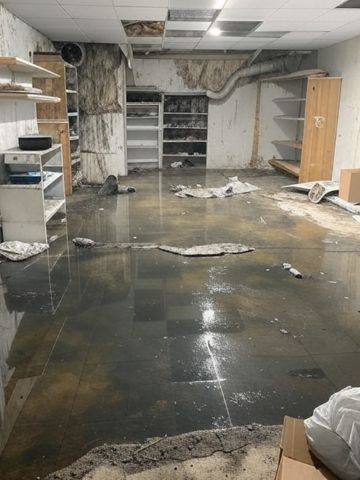
When a basement floods, most homeowners focus on getting the water out. That's the right first step, but it's only half the battle. The real danger often develops in the days and weeks after the water is gone, hidden inside walls, under floors, and in corners you'd never think to check.
Mold is one of the most common and costly consequences of basement flooding in Dayton homes. It spreads fast, hides well, and causes serious damage to both your property and your family's health. Knowing where it hides is the first step toward stopping it.
How Fast Does Mold Grow After Basement Flooding?
Mold can begin growing within 24 to 48 hours of water exposure. All it needs is moisture, a surface to grow on, and warm air—all three of which are present in abundance after a basement flood. By the time visible mold appears on walls or floors, it has almost always already spread to hidden areas behind surfaces and inside building materials.
In Dayton's humid summers and wet spring seasons, mold growth accelerates even faster. The Miami Valley's climate creates ideal conditions for mold spores to take hold and multiply, which is why professional basement mold remediation should begin as quickly as possible after a flooding event.
The Top Places Mold Hides in Dayton Basements After a Flood
1. Behind Drywall and Wall Cavities
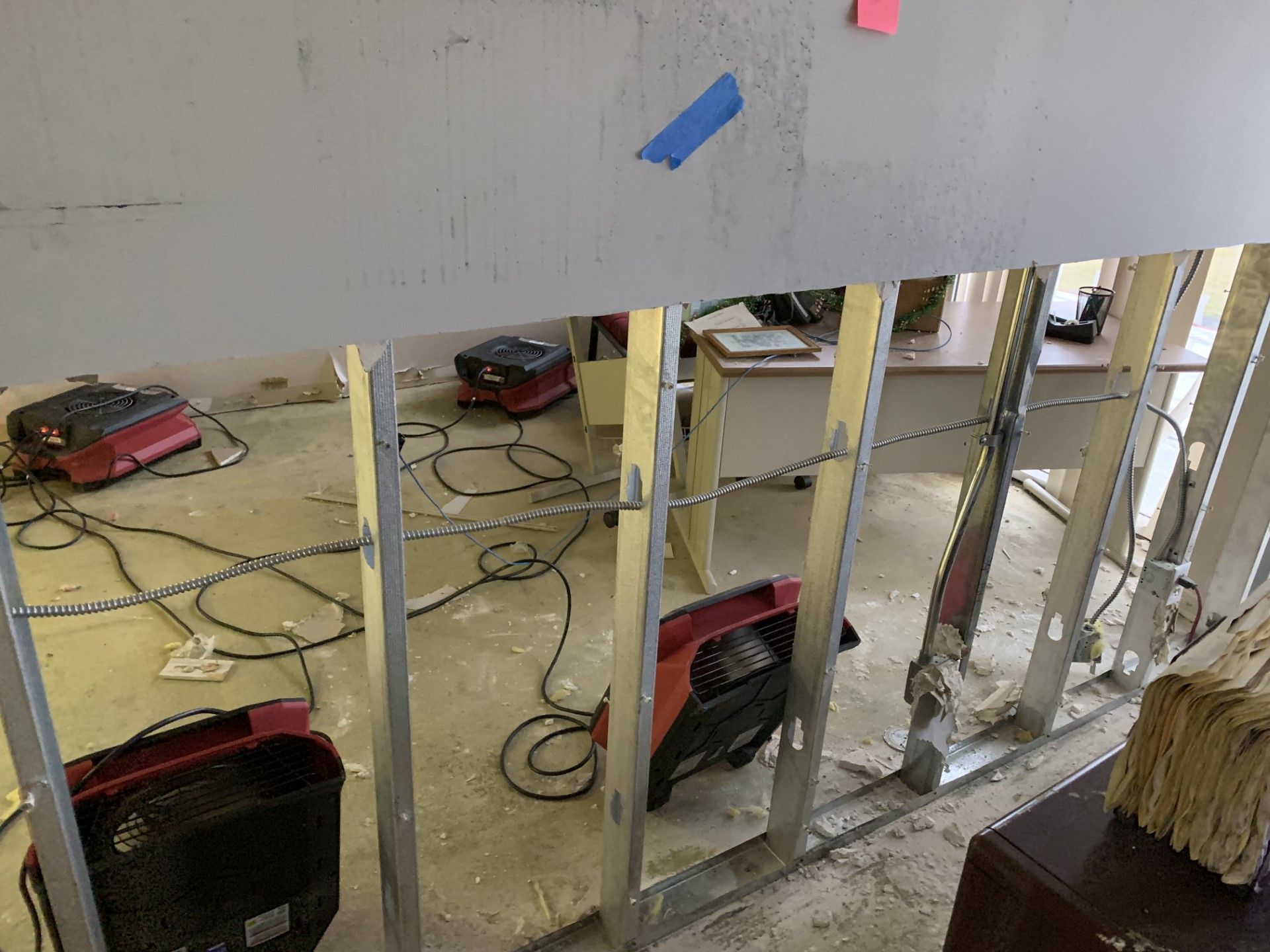
Drywall is one of the most mold-prone materials in any basement. It absorbs water like a sponge, and the paper facing on standard drywall is a food source for mold spores. Even if the surface of your basement walls looks dry, the interior of the wall cavity—including insulation, wood studs, and the back side of the drywall—can remain saturated for weeks.
Black mold in basement wall cavities is extremely common after flooding and often goes completely undetected until the infestation has spread across multiple wall sections. By the time you notice discoloration or a musty smell, remediation is no longer a simple cleanup job.
2. Under Flooring and Carpet Padding
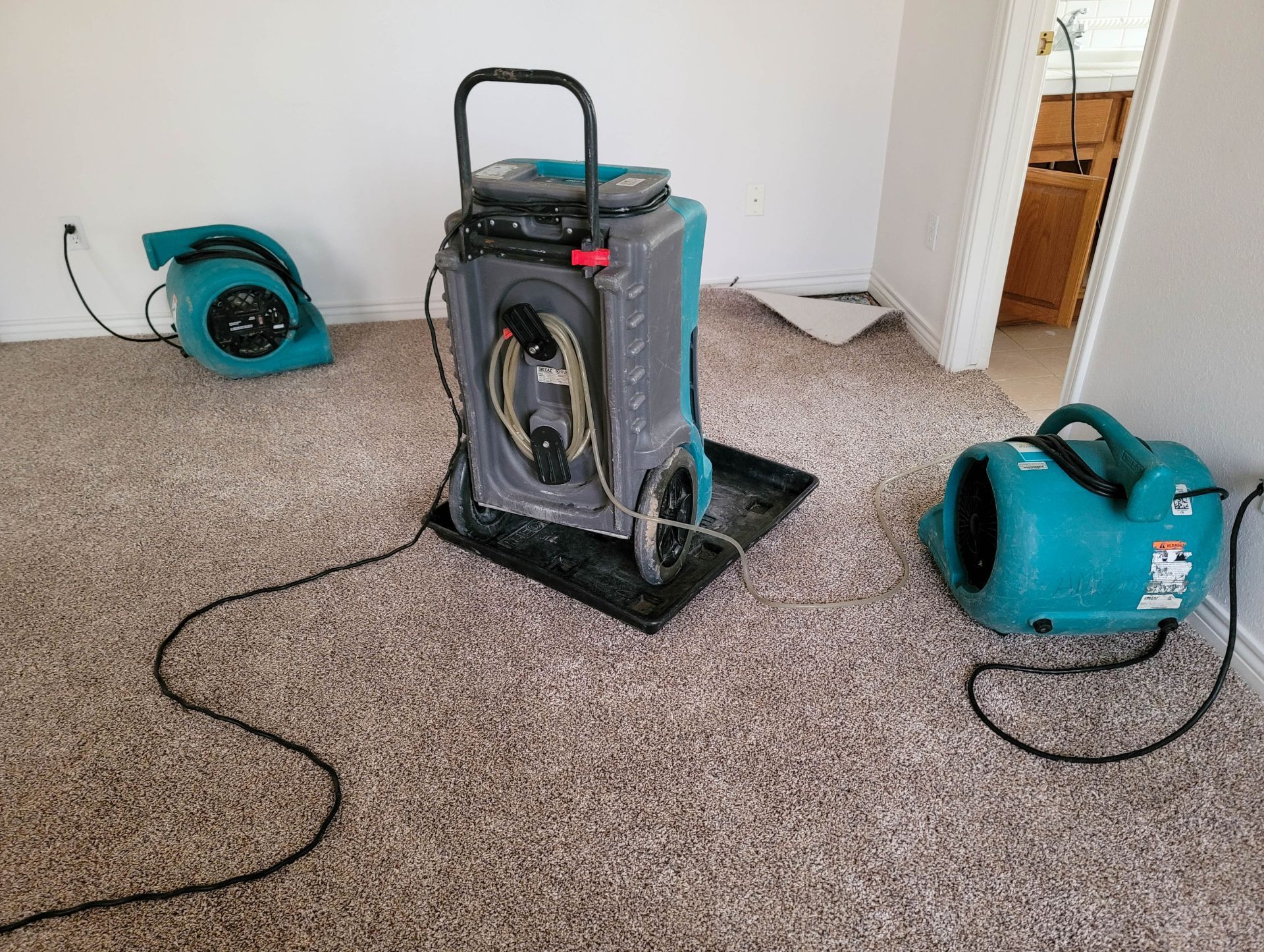
Water flows under everything. Even sealed flooring such as vinyl plank, tile, and laminate can trap moisture underneath once floodwater gets beneath the surface. Carpet and carpet padding are among the worst offenders. Padding acts as a sponge and holds water long after the surface appears dry, while the subfloor beneath it stays wet even longer.
In flooded Dayton basements, mold under the flooring is one of the most frequently missed problems during DIY cleanup attempts. Homeowners often pull up wet carpet, see that the concrete beneath looks dry, and assume the problem is solved. In reality, mold may already be growing on the underside of the flooring or on the subfloor itself.
3. Inside Floor Drains and Sump Pump Pits
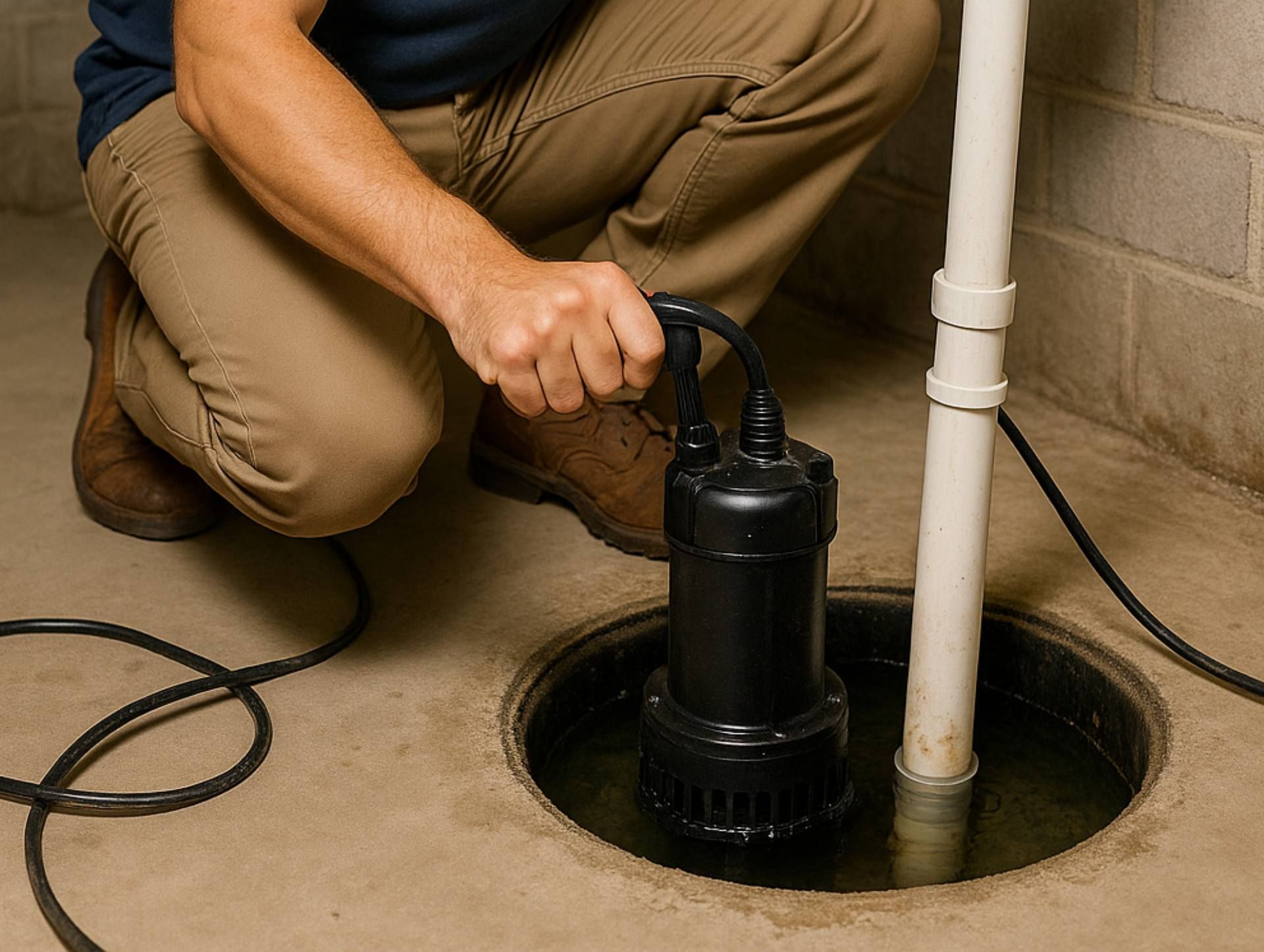
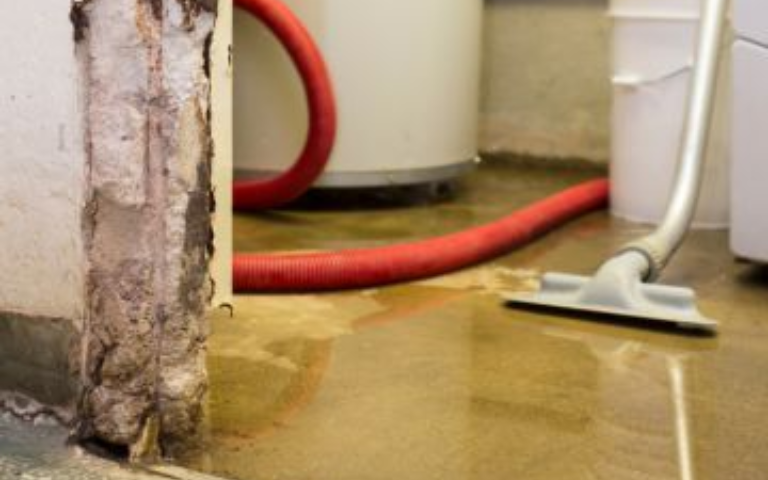
Floor drains and sump pump pits are designed to move water out, but after a flood they can become breeding grounds for mold and bacteria. Organic debris that washes in during flooding settles in these areas and stays wet long after the rest of the basement dries out.
Sump pump pits are particularly problematic because they are often overlooked during cleanup. The combination of standing water, organic material, and poor airflow creates ideal conditions for mold growth that can spread outward from the pit into surrounding flooring and walls.
4. Along Rim Joists and Wood Framing
The rim joist is the horizontal wooden board that runs along the perimeter of your basement ceiling, connecting the floor joists to the foundation wall. It sits where your foundation meets the structure of your home, making it one of the first places moisture accumulates during a flooding event.
Wood framing throughout the basement absorbs water readily and dries slowly. Mold growing on rim joists and structural framing is a serious concern because it can compromise the structural integrity of your home over time. If mold-damaged framing is not properly treated or replaced, the damage can become much more extensive and expensive.
5. Behind and Beneath Water Heaters and HVAC Equipment
Large appliances like water heaters, furnaces, and air handlers create shadowed, low-airflow zones in basements. Floodwater pools in these areas and evaporates slowly due to limited air circulation. The underside of these appliances and the walls directly behind them are common locations for mold growth after flooding.
There is an additional risk here: if your HVAC system was running during or after the flood, it may have pulled mold spores into the ductwork and distributed them throughout your entire home. A complete remediation assessment should always include an inspection of the ductwork and air-handling equipment.
6. Inside Stored Boxes, Furniture, and Personal Belongings
Many Dayton homeowners use their basements for storage. Cardboard boxes, wooden furniture, fabric items, and paper materials are all highly susceptible to mold growth after flooding. Cardboard, in particular, breaks down quickly when wet and becomes an ideal food source for mold colonies.
Even items that appear undamaged on the outside may have mold developing inside. Clothing, books, and important documents stored in boxes that have experienced any water contact should be inspected carefully. In many cases, contents that sat in floodwater for more than 24 to 48 hours cannot be fully restored and should be discarded.
7. On Concrete Block Walls
Concrete might seem impervious to mold, but it is not. Concrete block walls are porous, and the organic dust, dirt, and residue that accumulate on basement walls over time create a surface where mold can establish and grow. White mold in basement environments often first appears on concrete walls as a powdery or fuzzy coating that homeowners sometimes mistake for efflorescence.
After flooding, concrete walls should be thoroughly inspected and treated—not just wiped down. Surface cleaning without addressing ongoing moisture intrusion through the wall will often result in mold returning.
Why Mold in Basements Is a Serious Health and Structural Risk
Mold is not just an aesthetic problem. Prolonged exposure to mold spores, particularly black mold, has been linked to respiratory issues, chronic sinus problems, headaches, fatigue, and worsened asthma symptoms. Children, older adults, and anyone with compromised immune systems are at significantly higher risk.
Beyond health concerns, mold damages the structural materials it grows on. Wood framing weakens. Drywall crumbles. Insulation loses its effectiveness. The longer mold is left untreated in a flooded basement, the more extensive and expensive the remediation becomes. What may be a manageable remediation project after 48 hours can become a full gut-and-rebuild project after two weeks.
DIY Mold Cleanup vs. Professional Basement Mold Remediation
Hardware store mold sprays and bleach solutions can address surface mold on hard, non-porous materials. They cannot remove mold inside wall cavities, beneath flooring, or within porous building materials. For basement flooding situations, DIY mold cleanup is almost always insufficient.
Professional basement mold remediation involves containing the affected area to prevent spore spread, removing mold-damaged materials, treating structural surfaces, using HEPA air scrubbers to clean the air, and performing post-remediation testing to confirm successful removal. These are not steps that can be replicated with consumer products and a weekend afternoon.
If your basement flooded and you're seeing signs of mold—or even noticing a persistent musty smell—the situation warrants a professional assessment rather than another trip to the hardware store.
How DryMaxx Removes Mold After Flooding in the Dayton Area
DryMaxx is a locally owned restoration company serving Dayton, Kettering, Beavercreek, Centerville, Huber Heights, Springboro, Miamisburg, Fairborn, and the surrounding Miami Valley communities. Our team responds quickly to flooding emergencies and provides comprehensive basement mold remediation from the initial assessment through final clearance.
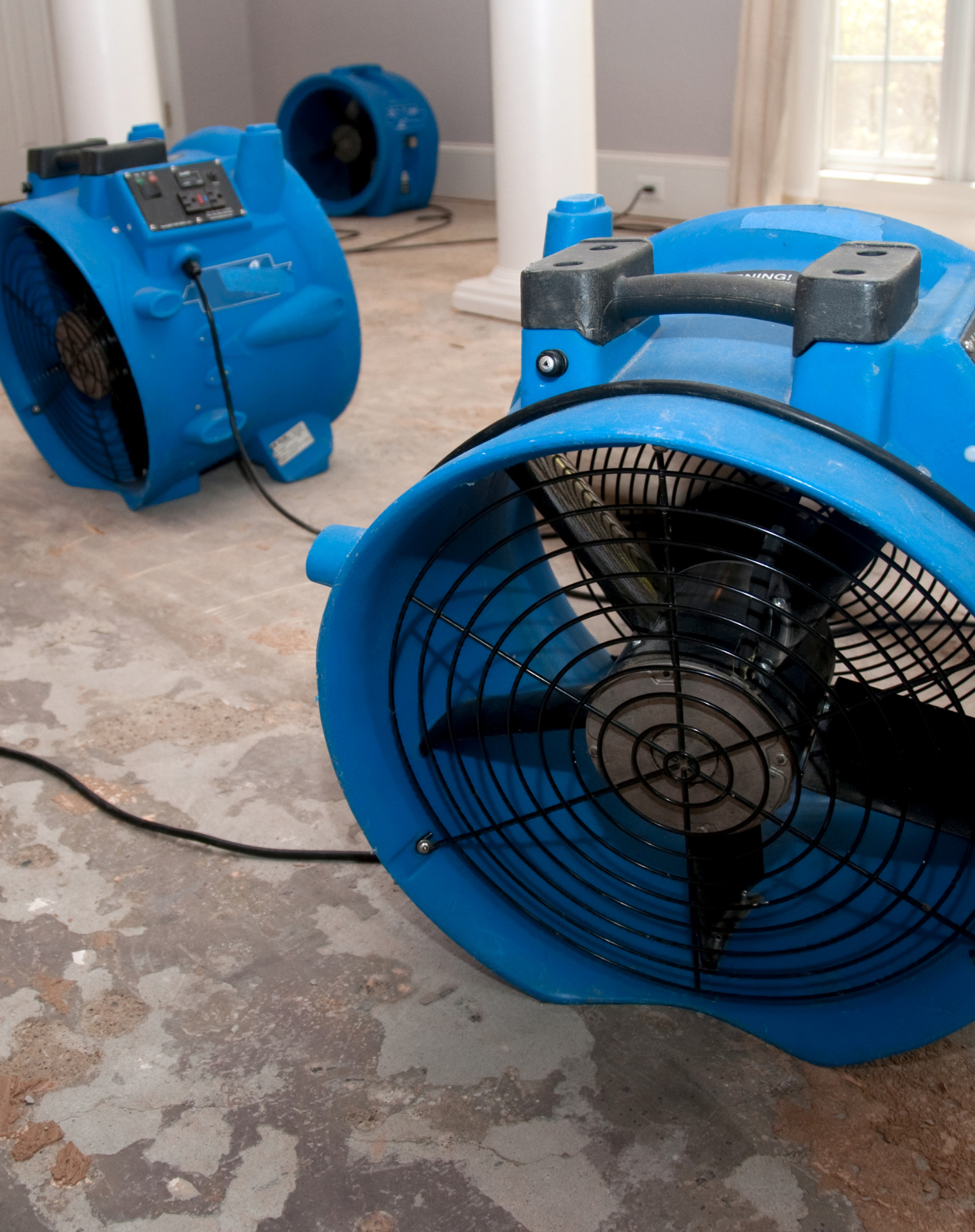
Our process begins with a thorough inspection of all affected areas, including the hidden locations most homeowners miss. We use moisture meters and thermal imaging to detect water and mold behind walls and beneath flooring before it becomes visible. From there, we contain the affected area, remove damaged materials, treat structural surfaces, and use industrial HEPA air scrubbers to remove airborne mold spores.
We also document everything for insurance purposes, helping make the claims process easier for Dayton-area homeowners dealing with flood damage.
Don't Wait—Mold Spreads Fast in Flooded Basements
Every hour after a basement flood increases the risk of mold taking hold in your home. The 24 to 48-hour window is not just a guideline—it is often the difference between a controlled remediation and a full-scale restoration project.
If your basement has flooded in Dayton or anywhere in the Miami Valley, don't wait to see if mold develops. By the time mold is visible, it has usually already spread behind walls, beneath flooring, and into building materials.
Call DryMaxx today for a professional basement mold inspection and remediation assessment before hidden mold becomes a much larger problem.