Does Homeowners Insurance Cover Water Damage in Ohio?
You walk downstairs, and your socks are wet before you even see the water. A pipe let go overnight, or the sump pump gave out during a storm, and now you're standing in a few inches of standing water wondering what happens next. Once the shock wears off, the next question is almost always about money: does homeowners insurance cover water damage, or are you about to pay for this out of pocket?
The honest answer is that it depends on where the water came from. Homeowners insurance was built to cover sudden, accidental damage from sources inside your home, not water that finds its way in from outside. That single distinction determines whether your claim gets approved or denied, so it's worth understanding before you're standing in a flooded basement trying to figure it out on the fly.
Here's what Ohio homeowners need to know about water damage coverage, what's typically included, what's usually excluded, and what to do the moment you discover damage in your home. DryMaxx is IICRC certified and works with homeowners throughout the Dayton area on exactly these situations, so we've built this guide around the questions we hear most often.
Is Water Damage Covered by Homeowners Insurance? The Short Answer
Most standard homeowners policies cover water damage when it's sudden and accidental, and when the water originates from inside your home. Think a pipe that bursts without warning, a washing machine hose that fails, or a water heater that suddenly ruptures. In these cases, your dwelling coverage and personal property coverage typically kick in to help pay for repairs and replacement.
What standard policies don't cover is water that enters your home from outside, like floodwater from heavy rain, an overflowing creek, or rising groundwater. That kind of damage falls under flood insurance, which is a separate policy entirely. Insurers draw this line because flood risk is handled differently across the industry, mostly through the National Flood Insurance Program rather than standard homeowners coverage.
There's a simple way to think about it. If the water started inside your house and stayed inside your house, there's a good chance it's covered. If the water came from outside and entered your house, it almost certainly isn't, at least not without a separate flood policy.
What Water Damage Homeowners Insurance Coverage Actually Includes
Coverage details vary by carrier and policy, but most standard homeowners insurance will help pay for water damage caused by the following.
Burst or frozen pipes
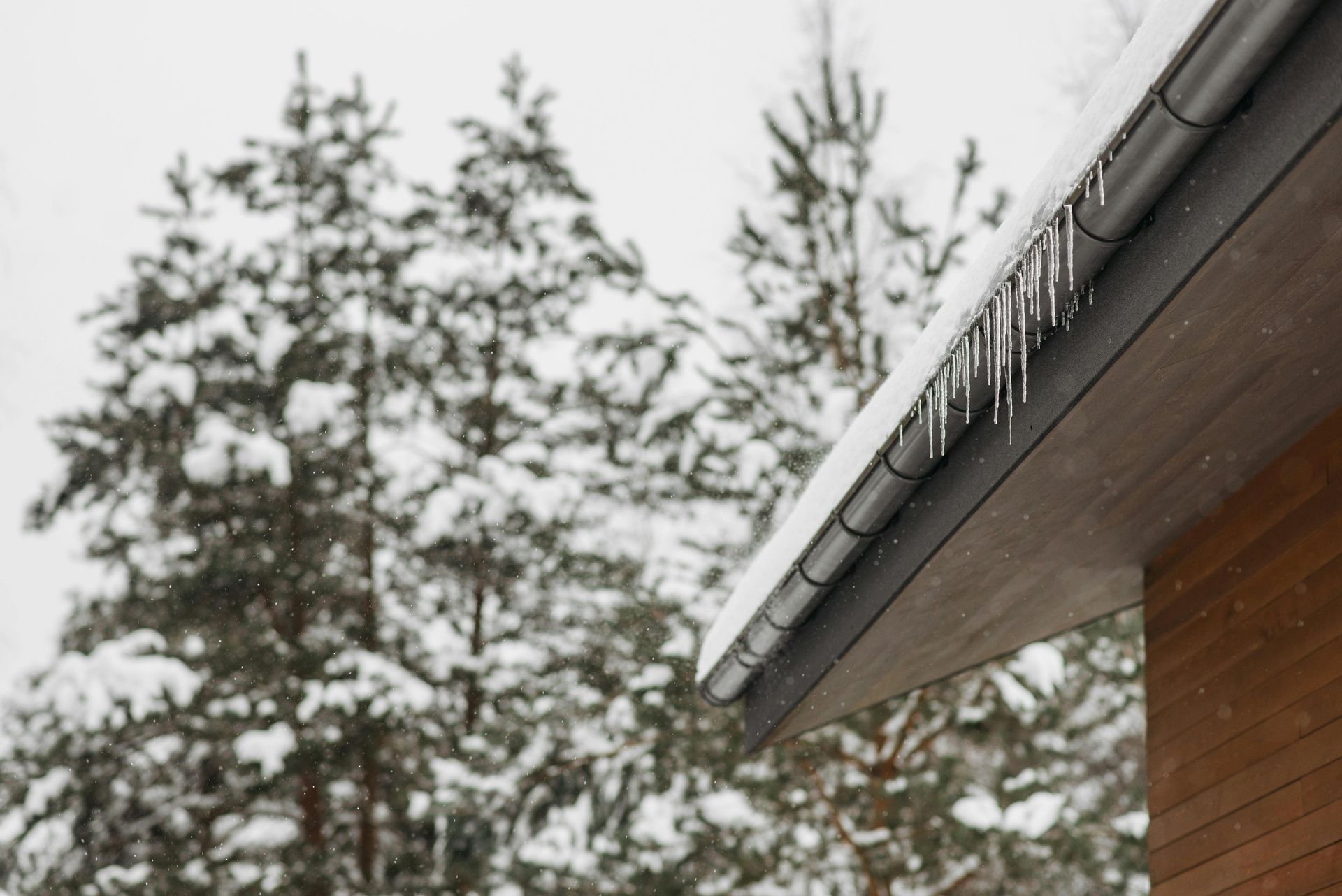
If a pipe suddenly bursts or springs a leak, that's typically covered. Ohio winters are hard on plumbing, and a frozen pipe that cracks open counts as sudden and accidental in most cases. The exception is if the damage stems from a pipe you knew was failing and didn't repair.
Accidental appliance overflow
A washing machine hose that blows out, a dishwasher that overflows, or a water heater that fails can all cause serious damage fast. As long as the appliance itself wasn't already showing signs of wear or leaking slowly over time, this type of sudden overflow is usually a covered event.
Roof leaks from storm damage
If wind or a falling branch damages your roof during a storm and rain gets into your home as a result, that water damage is typically covered. The key factor is that the damage to the roof itself was sudden, not the result of years of deferred maintenance.
Overflowing toilets, sinks, and tubs
A toilet that suddenly overflows or a tub that backs up can cause real damage to floors and walls. Most policies cover this when it's a one-time, accidental event rather than a recurring plumbing problem you never addressed.
Fire suppression and sprinkler water damage
If a fire triggers your sprinkler system or the fire department needs to use water to put out a fire, the resulting water damage to your home and belongings is generally covered as part of your fire-related claim.
What's Excluded From Standard Water Damage Coverage
Just as important as knowing what's covered is knowing what isn't. These are the situations that most often lead to a denied claim or an unpleasant surprise.
Flood damage
Water that enters your home from outside, whether from heavy rain, a nearby creek, or a storm surge, is classified as flood damage and is not covered by a standard homeowners policy. This requires a separate flood insurance policy, which most homeowners can purchase whether or not they live in a designated flood zone.
Sewer and drain backups
When water backs up through your drains or sewer line, standard policies typically exclude it. This is a common and frustrating gap, especially for homes with older municipal sewer connections. Coverage for sewer backup is usually only available as an add-on endorsement.
Sump pump failure and flooded basements
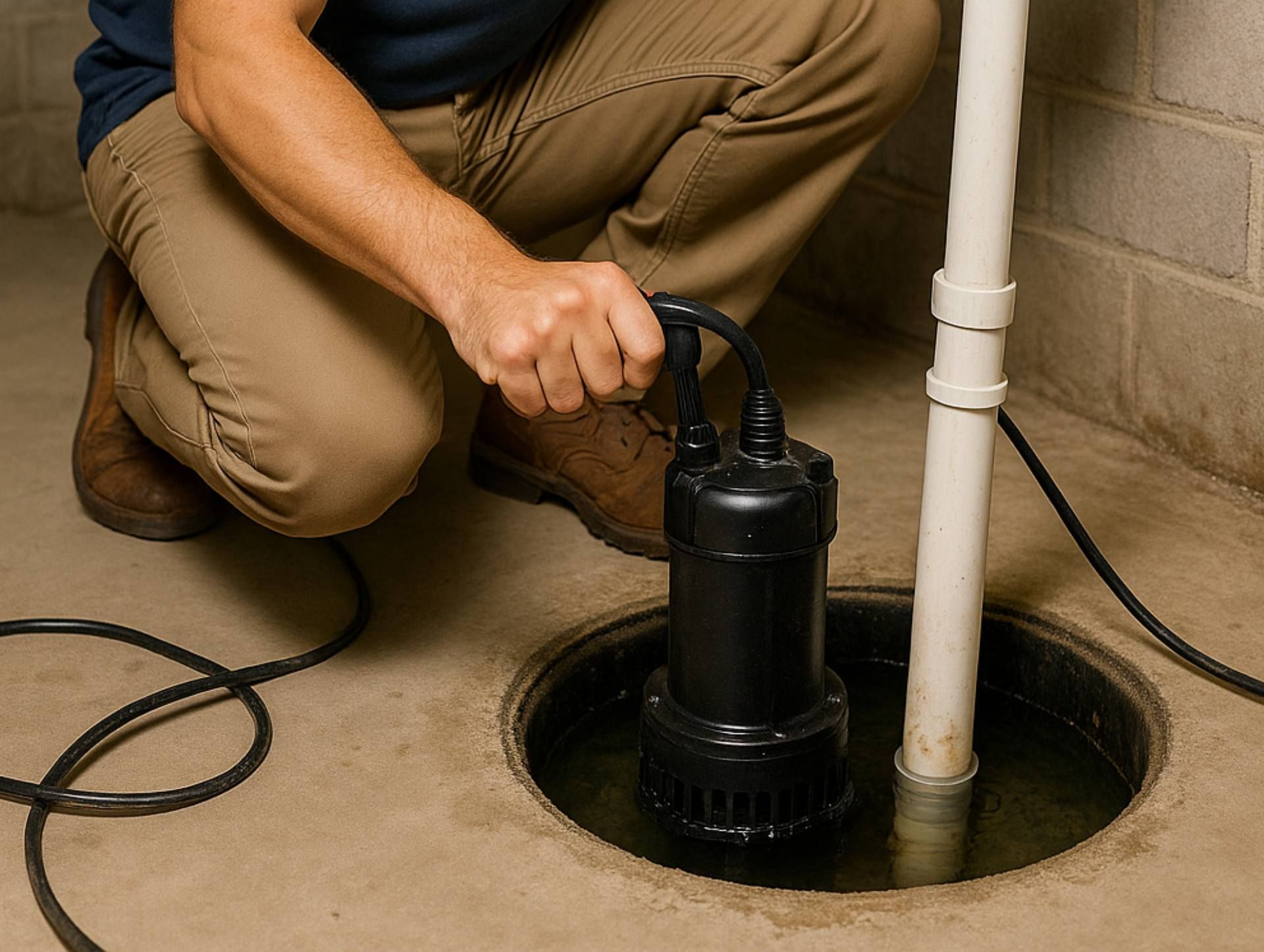
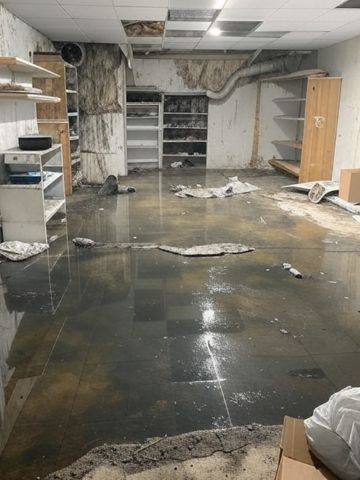
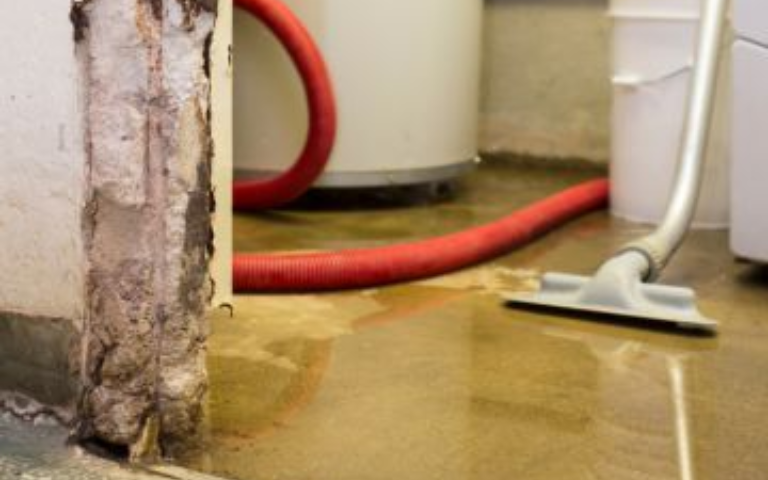
A sump pump flooded basement is one of the most common water damage scenarios we see in the Dayton area, and it's also one of the most commonly excluded. If your sump pump fails, whether from a power outage, a mechanical breakdown, or being overwhelmed during a heavy storm, standard homeowners insurance usually will not cover the resulting basement flooding unless you've added specific coverage for it.
Gradual leaks, neglect, and poor maintenance
Insurance is designed for sudden, unexpected events, not slow deterioration. If an adjuster determines that damage built up over weeks or months because a leak went unaddressed, the claim is likely to be denied. This is one of the most common reasons water damage claims get rejected, so addressing small leaks quickly matters both for your home and your coverage.
Does homeowners insurance cover mold?
Mold coverage depends entirely on what caused it. If mold develops because of a covered water damage event, like a burst pipe that was addressed quickly, the resulting mold remediation is often covered as part of that claim. If the mold is the result of long-term moisture, humidity, or a leak you didn't fix, it typically falls outside your coverage. Fast response after any water event is one of the best ways to keep mold from becoming a separate, uncovered problem.
Basement Water Damage: Why Ohio Homeowners Need to Pay Close Attention
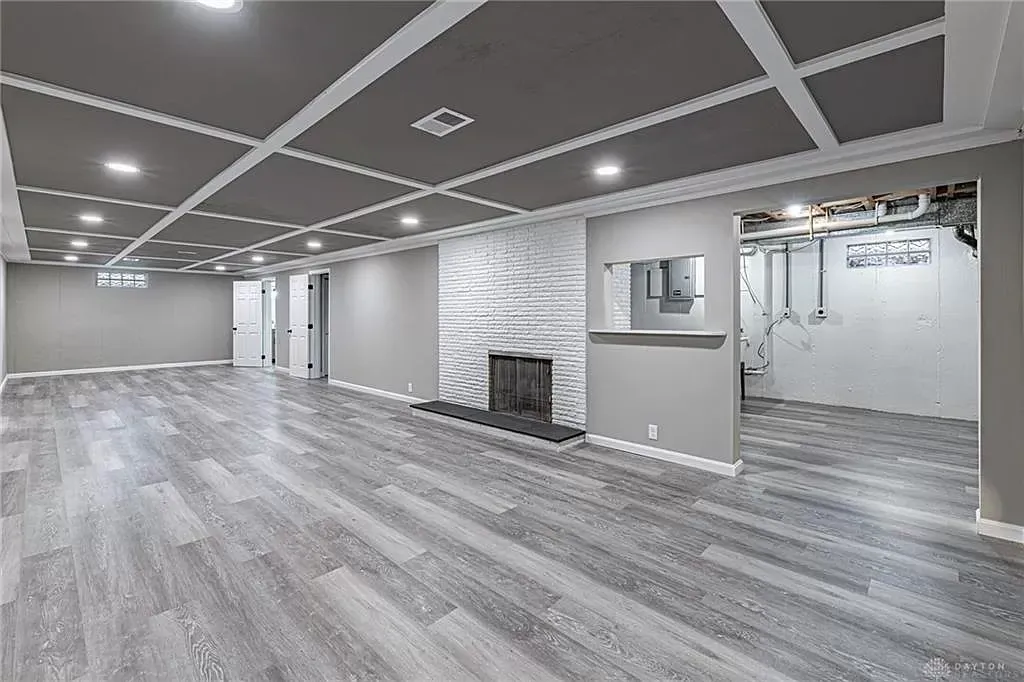
Basement water damage deserves its own conversation because it sits right at the intersection of what's covered and what isn't. A finished basement in Kettering, Centerville, or Beavercreek represents a real investment, and it's also one of the most vulnerable spaces in the home when heavy rain, snowmelt, or a mechanical failure strikes.
The challenge is that basement flooding can come from multiple directions at once. A sump pump failure, a sewer backup, and groundwater seepage can all produce the same soggy carpet and damaged drywall, but they're treated very differently by your insurance policy. Two homeowners with nearly identical damage can have completely different claim outcomes depending on the source of the water and what endorsements they had in place beforehand.
This is why it's worth reviewing your policy specifically for basement-related exposure before a storm hits, not after.
Water Backup Coverage: The Add-On Most Homeowners Skip
Water backup coverage is an endorsement you can add to your homeowners policy that specifically covers damage from sewer backups and sump pump failures, the two gaps that standard policies leave open. For a relatively small additional premium, this endorsement closes one of the biggest blind spots in basement protection.
If your home has a finished basement, a sump pump, or an older sewer connection, this is worth a direct conversation with your insurance agent. Ask specifically about water backup coverage and what limits are available, since many homeowners don't realize this gap exists until after they've filed a claim and been told it isn't covered.
What To Do Immediately After Water Damage
However the water got into your home, what you do in the first hour matters just as much as what your policy says.
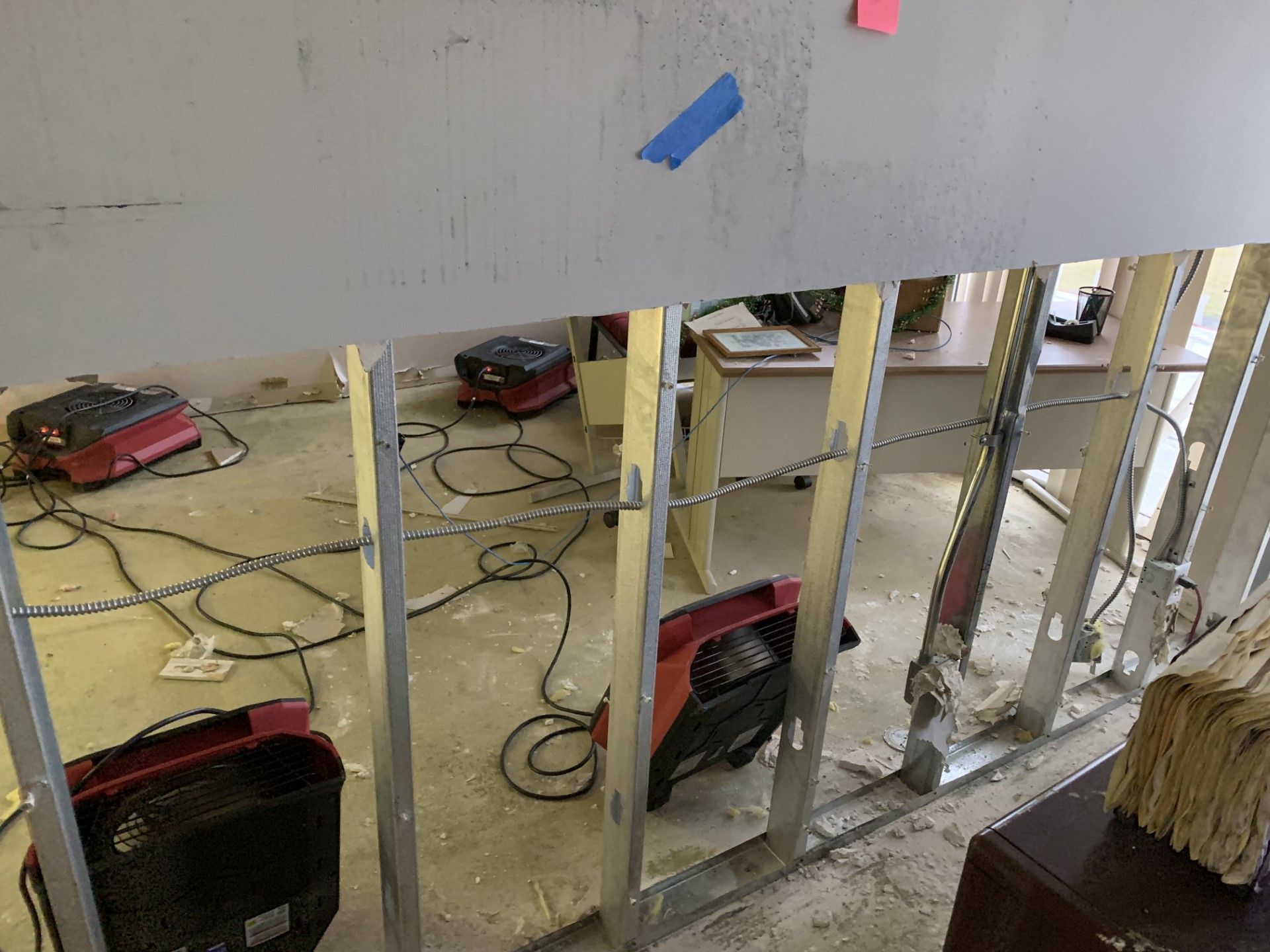
Shut off the water source if you can safely do so, whether that means the main valve or the specific fixture involved. Take photos and video of the damage before you move or remove anything, since this documentation is critical for your claim. Call a certified restoration company to begin mitigation as soon as possible, since standing water and moisture cause more damage the longer they sit, and mold can begin developing within 24 to 48 hours.
One important note: don't sign a payment agreement with any restoration company before you have clarity from your insurer on what's covered. A reputable, IICRC-certified company will work with your insurance process rather than around it.
How to File a Water Damage Insurance Claim
Once you've stopped the immediate damage, contact your insurance company as soon as possible to start the claims process. Provide clear documentation, including photos, video, and a written scope of damage from your restoration company. An adjuster will typically inspect the property to assess the extent of the loss and determine coverage.
It also helps to understand what type of personal property coverage you carry. Replacement cost value pays what it costs to replace damaged items new, while actual cash value pays the depreciated worth of those items. Knowing which one applies to your policy will help you set realistic expectations for your settlement.
Serving Homeowners Throughout the Dayton Area
DryMaxx provides 24/7 emergency water damage restoration for homeowners throughout Kettering, Beavercreek, Centerville, Huber Heights, Springboro, Miamisburg, Fairborn, and Troy. Our IICRC-certified technicians respond quickly to limit damage and work directly with your insurance company through the claims process, from documentation to final repairs.
If you're dealing with water damage right now, call us for immediate help, or reach out through our contact form to schedule an inspection.
Frequently Asked Questions About Water Damage Coverage in Ohio
What type of water damage is covered by homeowners insurance? Sudden, accidental water damage from an internal source is typically covered, including burst pipes, appliance overflow, and storm-related roof leaks. Water that enters from outside the home, like flooding, is not covered under a standard policy.
Does homeowners insurance cover water damage from a leaking roof? Yes, if the leak is the result of a sudden, covered event like storm damage to the roof. If the leak developed gradually due to age or lack of maintenance, it's typically not covered.
Does homeowners insurance cover water damage from a broken pipe? In most cases, yes. A pipe that bursts suddenly is considered accidental damage and is usually covered, as long as the pipe wasn't already known to be failing.
Does homeowners insurance cover hot water heater damage? Coverage typically applies to the water damage caused by a sudden water heater failure, though the cost to repair or replace the water heater itself is often excluded.
Does homeowners insurance cover water damage from toilet overflow? A one-time, accidental toilet overflow is generally covered. Damage from a recurring or long-known plumbing issue usually is not.