Common Causes of Sewage Backflow in Older Dayton Neighborhoods
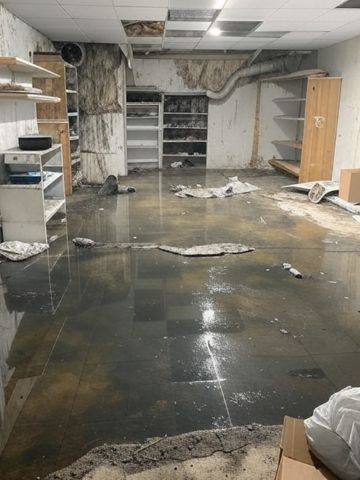
It usually starts small. A floor drain gurgles after a heavy spring storm, or the basement toilet bubbles when the washing machine drains. Then one morning there is dark, foul-smelling water spreading across the basement floor. For homeowners in Dayton's older neighborhoods, sewage backflow is one of the most common and unpleasant problems a house can throw at them.
Neighborhoods like Dayton View, South Park, St. Anne's Hill, the Oregon District, Belmont, and Walnut Hills are full of beautiful homes built decades ago. Many of those homes still rely on sewer lines that were installed when the house was built. Below, we break down the most common causes of sewage backflow in older Dayton homes, the warning signs to watch for, and what to do if sewage has already made its way inside.
Why Older Dayton Homes Are Prone to Sewer Backup
Older homes face a combination of risks that newer construction usually avoids. The sewer lateral, the pipe that carries waste from your home to the city main, may be 70 to 100 years old or more in many historic Dayton neighborhoods. Pipe materials from that era were not designed to last forever.
Established neighborhoods also have large, mature trees lining the streets and yards. Add basements with floor drains that sit at the lowest point of the plumbing system, and the heavy rain events that regularly move through the Miami Valley, and older homes become especially vulnerable to sewer backup.
What Causes Sewer Backup in Basements in Dayton?
Tree Roots in the Sewer Line
Tree roots are one of the leading causes of sewer backup in older neighborhoods. Roots naturally grow toward moisture, and the small gaps at pipe joints give them an easy way in. Once inside, roots expand and catch grease, paper, and debris until the line is partially or fully blocked. Tree-lined streets in areas like Dayton View and Five Oaks are beautiful, but the root systems beneath them can quietly work their way into aging sewer lines for years before a backup happens.
Deteriorating Clay Sewer Pipe
Many homes built before the 1960s have clay sewer pipe. Clay holds up well against chemicals, but it is brittle, and the pipe sections are joined in short lengths. Over time, those joints shift, crack, and separate. Soil, water, and roots enter through the gaps, and the pipe can eventually break down enough to restrict flow or collapse.
Corroded Cast Iron Sewer Pipe
Cast iron sewer pipe was common in homes built through the middle of the last century. Cast iron corrodes from the inside out, building up rough scale that narrows the pipe and snags waste. As the pipe thins, cracks and holes can form. A cast iron line that has served a house for 60 or more years is often closer to failure than homeowners realize.
Sewer Line Belly or Collapse
A sewer line belly is a sagging section of pipe where the surrounding soil has settled or shifted. Waste and water collect in the low spot instead of flowing freely toward the main. Ohio's freeze and thaw cycles can contribute to soil movement over time, and older lines with weakened joints are more likely to sag or collapse.
Heavy Rain and Overloaded Municipal Lines
During major storms, large volumes of water can enter the sewer system and overwhelm the municipal lines. When the main is overloaded, water and waste can be pushed backward through the lateral and out of the lowest drain in the home, which is often the basement floor drain. This is why many Dayton homeowners notice a basement floor drain backing up right after a severe storm.
Grease, Wipes, and Everyday Clogs
Even a healthy sewer line can clog, but older, narrowed pipes are far less forgiving. Cooking grease hardens inside pipes, and so-called flushable wipes do not break down the way toilet paper does. Combined with roots or corrosion, these everyday habits can turn a slow drain into a full sewage backup.
Sewage already on your basement floor? DryMaxx provides 24/7 emergency sewer backup cleanup for homeowners throughout Dayton and the Miami Valley. Call [phone] and our team will respond fast.
Signs of Sewer Line Problems to Watch For
Most sewer backups give some warning before they become a flooded basement. Watch for:
- Gurgling sounds from toilets or drains
- Several fixtures draining slowly at the same time
- A persistent sewage smell in the basement or yard
- Soggy or unusually green patches of lawn above the sewer line
Basement Floor Drain Backing Up
If water rises from your floor drain when you run the washing machine, flush a toilet, or take a shower, the main line is likely blocked or restricted. This is one of the clearest signs a full sewage backup may be coming.
How to Prevent Sewer Backup in Older Dayton Homes
A little prevention goes a long way, especially in a historic home.
Installing a Sewer Backflow Preventer or Backwater Valve
A backwater valve, also called a sewer backflow preventer, allows waste to leave your home but closes when water tries to flow back in. For older Dayton homes with low basement drains, this device can prevent the most damaging type of backup during heavy storms. A licensed plumber can tell you whether one makes sense for your home.
Other prevention steps include:
- Scheduling a camera inspection of your sewer line, especially before buying an older home
- Having roots cleared from the line on a regular maintenance schedule
- Keeping grease, wipes, and other non-flushables out of drains
- Reviewing your homeowners insurance policy for sewer backup coverage
Dealing with lingering odors or damp walls after a past backup? DryMaxx can inspect for hidden moisture and mold so a small problem does not become a bigger one.
Sewer Backup Restoration in Dayton: What Happens Next
Sewage is classified as Category 3 water, the most contaminated type of water damage. It can carry bacteria, viruses, and other pathogens that make cleanup unsafe for homeowners to handle on their own. Porous materials like carpet, drywall, and insulation often cannot be saved once sewage soaks into them.
The DryMaxx sewer backup restoration process includes:
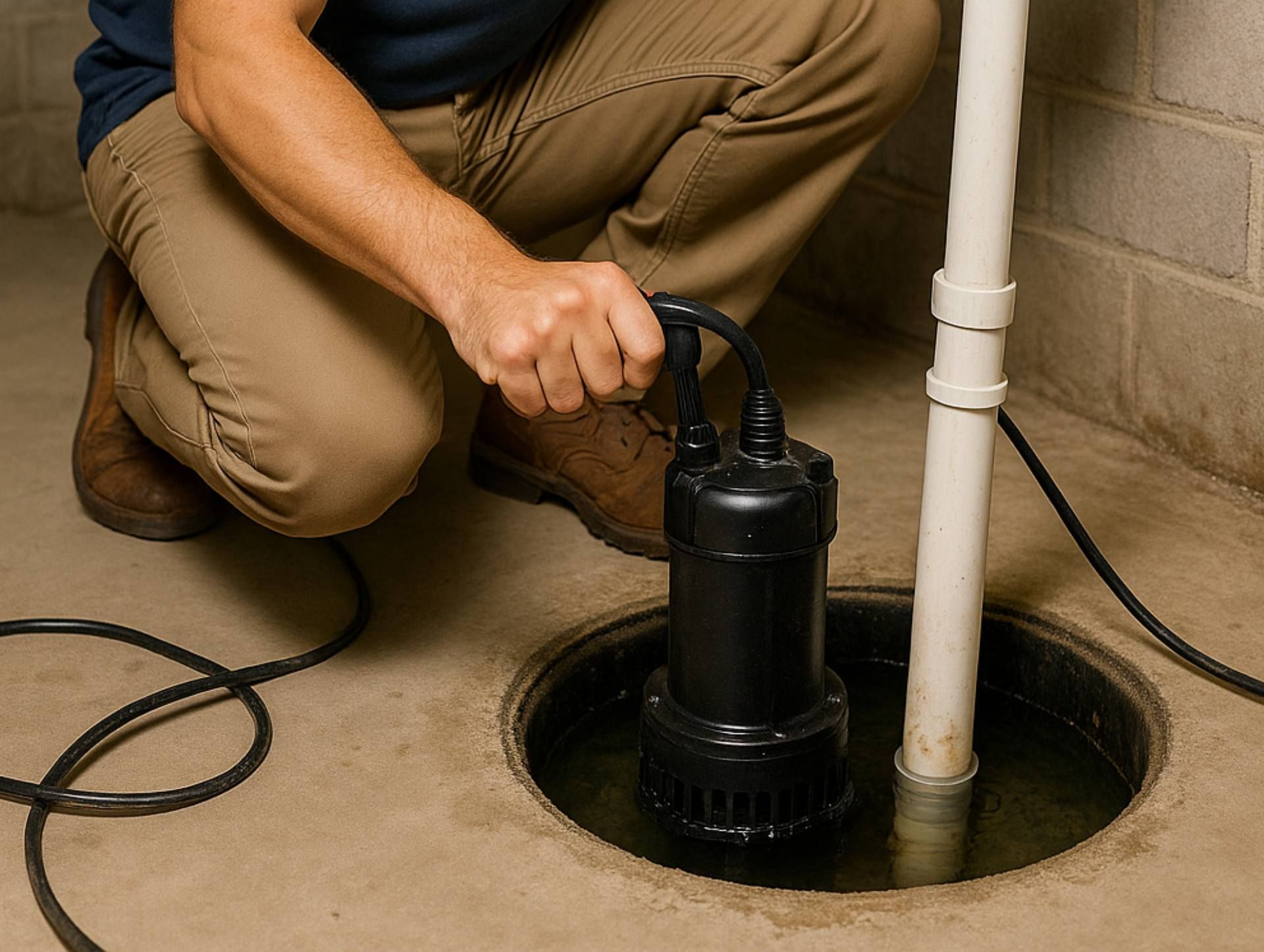
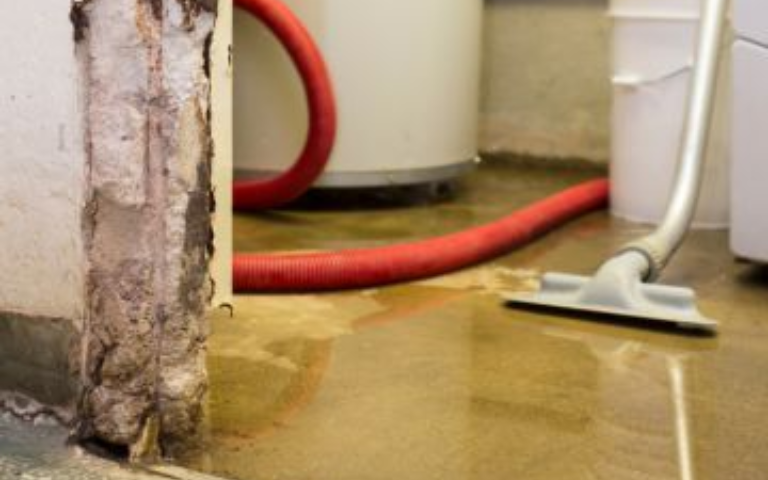
- Safe extraction of sewage and standing water
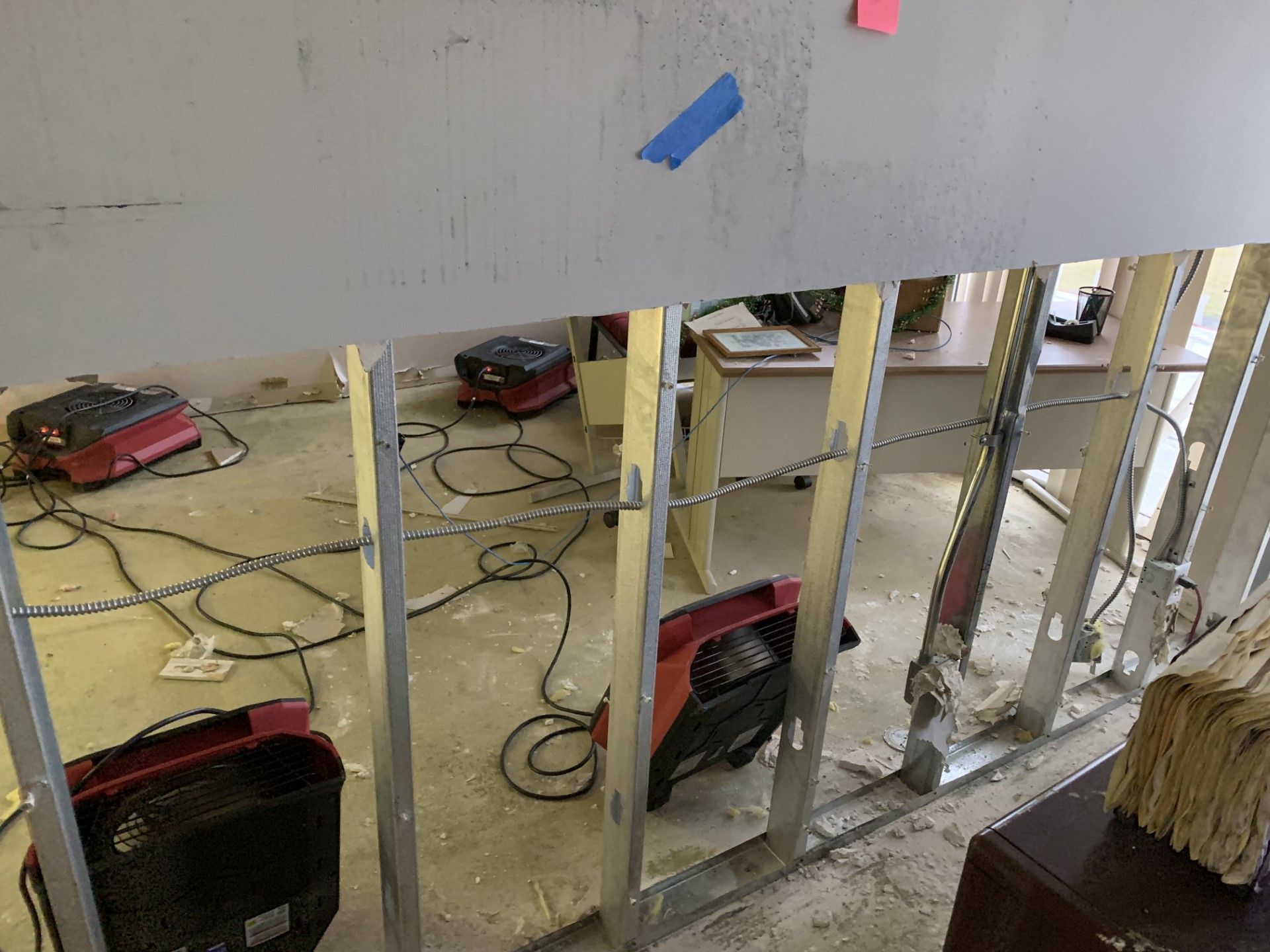
- Removal of contaminated materials
- Thorough cleaning and disinfection
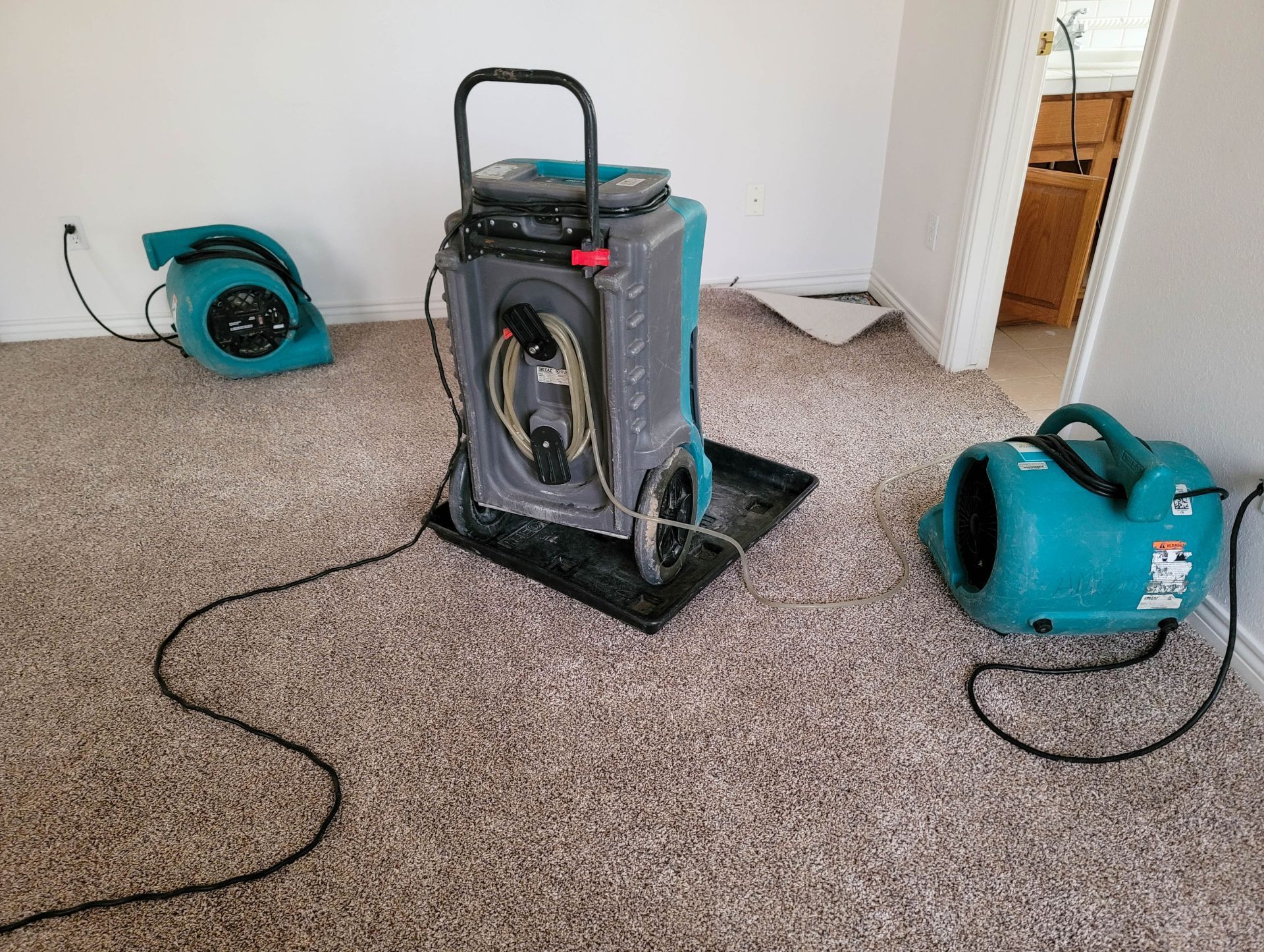
- Professional structural drying and moisture monitoring
- Odor removal
- Repairs and reconstruction to restore your home
Our IICRC-certified team has been serving the Dayton area since 2017, and we help homeowners work through the insurance claim process from start to finish.
Sewage Backup in Your Dayton Home? DryMaxx Responds 24/7
When sewage backs up into your home, every hour matters. DryMaxx is a locally owned restoration company serving Dayton, Kettering, Oakwood, Huber Heights, Beavercreek, Centerville, and communities throughout the Miami Valley. We are available 24/7 to contain the damage, clean and disinfect your home, and get your property back to normal.
Call DryMaxx at 937-470-3053 to request service today.