The Hidden Damage Caused by Smoke After Small Kitchen Fires
A grease fire flares up. The smoke alarm screams. You grab the extinguisher, the flames die out, and ten minutes later, the crisis feels over. The kitchen looks a little charred; there's an unpleasant smell in the air, but nothing seems seriously damaged.
This is one of the most dangerous misconceptions homeowners have after a kitchen fire.
The truth is, smoke and soot travel fast, penetrate deep, and cause damage that often doesn't show up for days, damage that no amount of scrubbing with household cleaners will fix. If your home has experienced a kitchen fire of any size, understanding what's really happening inside your walls, your ductwork, and your belongings could save you from expensive long-term repairs and serious health risks.
Why "Small" Kitchen Fires Are Rarely Small
Kitchen fires are the most common type of residential fire in the United States. Many are contained within minutes, a pan, a microwave, or a toaster oven. But fire damage isn't just about what the flames touched. The moment combustion occurs, smoke begins moving through every available opening: air vents, wall gaps, electrical outlets, plumbing chases, and the natural airflow of your HVAC system.
By the time the fire is out, smoke has likely traveled to rooms that were nowhere near the kitchen. What looks like a localized incident is almost always a whole-home event.
How Smoke and Soot Actually Travel Through Your Home
Through Your HVAC System
Your heating and cooling system is designed to circulate air throughout every room in the house, and it doesn't distinguish between clean air and smoke-filled air. Within minutes of a kitchen fire, smoke particles are pulled into your return air vents and distributed through the ductwork to bedrooms, bathrooms, living areas, and beyond. Soot settles inside the ducts, on coils, and in filters, and can continue releasing smoke odor and particles for months if not properly cleaned.
Through Wall Cavities and Insulation
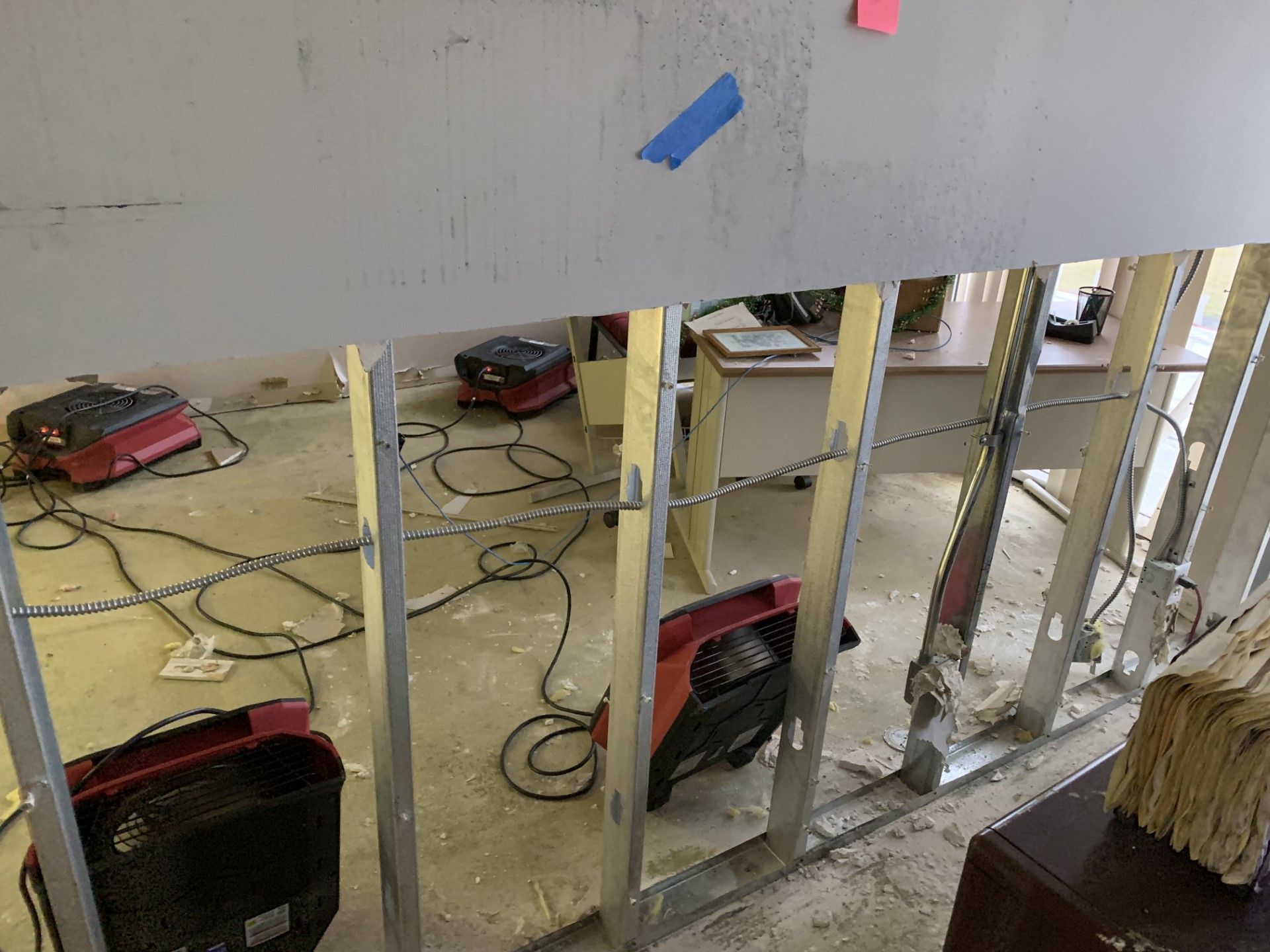
Smoke is not stopped by drywall. It seeps through gaps around outlets, light switches, plumbing lines, and recessed fixtures, and once inside a wall cavity, it saturates the insulation and wood framing with smoke residue. This is one of the primary reasons smoke odor seems to "come back" weeks after a fire. The source isn't on the surface; it's inside the wall.
Into Personal Belongings and Soft Furnishings
Upholstered furniture, mattresses, curtains, carpeting, clothing, and bedding are highly absorbent. Smoke molecules bind to fabric fibers at a molecular level, which is why surface cleaning and air fresheners provide only temporary relief. Content cleaning by a restoration professional, or in some cases, pack-out and specialized ozone treatment, is required for complete odor elimination.
The Types of Smoke Damage Homeowners Don't See
Invisible Soot Residue
Not all soot is the thick, black residue you can see. Fine dry smoke particles, sometimes called "dry smoke", are nearly invisible and settle on every surface in the home, including electronics, appliances, and inside cabinets. These particles are mildly acidic. Left untreated, they cause corrosion on metal surfaces, discoloration on painted walls, and permanent etching on glass and chrome fixtures. The longer they sit, the more damage they cause.
Toxic Off-Gassing
Modern kitchens contain an array of synthetic materials, plastic containers, non-stick coatings, rubber seals, synthetic cabinet liners, and more. When these materials burn, they release toxic compounds including carbon monoxide, formaldehyde, hydrogen cyanide, and volatile organic compounds (VOCs). These gases don't disappear when the fire goes out. They off-gas from soot particles that have settled on surfaces and embedded in materials throughout the home, creating an ongoing inhalation hazard that's invisible and odorless in low concentrations.
Structural Discoloration and Staining
Smoke contains oils, tars, and acidic compounds that react chemically with painted walls, ceilings, and woodwork. Even if surfaces look clean immediately after a fire, yellow and brown staining often appears over the following days as the chemical reaction progresses. Repainting over smoke-stained surfaces without proper sealing causes the stain to "bleed" back through the new paint, sometimes repeatedly.
Hidden Odor in HVAC, Attic, and Crawlspace
Persistent smoke smell that homeowners can't locate is almost always coming from one of three places: ductwork, the attic space, or the crawlspace beneath the home. These areas are difficult to access and nearly impossible to clean with consumer-grade products. Professional restoration equipment, including ozone generators, hydroxyl generators, and thermal fogging, is specifically designed to reach and neutralize smoke compounds in hidden spaces.
Health Risks of Untreated Smoke Exposure in the Home
Smoke residue is not just an aesthetic or odor problem; it's a health hazard. Fine soot particles are small enough to bypass the body's natural respiratory defenses and lodge deep in the lungs. Extended exposure to post-fire smoke residue has been linked to:
• Respiratory irritation and worsening of asthma or COPD
• Chronic coughing, wheezing, and shortness of breath
• Eye, nose, and throat irritation
• Headaches and dizziness from VOC exposure
• Increased cancer risk with long-term particulate exposure
Children, elderly residents, and those with pre-existing respiratory conditions are particularly vulnerable. If anyone in the home has experienced unexplained respiratory symptoms after a kitchen fire, professional air quality testing is strongly recommended.
Why DIY Cleanup Often Makes Smoke Damage Worse
Scrubbing Spreads Soot
The instinct after a fire is to start cleaning immediately. Unfortunately, wiping soot with standard household cleaners, especially wet cloths, smears dry soot particles deeper into porous surfaces and can permanently set the stain. Professional restoration technicians are trained in dry cleaning methods for soot removal before any wet treatments are applied.
Masking Odor vs. Eliminating It
Candles, air fresheners, baking soda, and even commercial odor sprays mask smoke odor temporarily by introducing competing scents. They do not neutralize or remove smoke compounds. True smoke odor elimination requires equipment like ozone generators, hydroxyl generators, and thermal fogging machines, all of which work at the molecular level to break down odor-causing compounds rather than simply covering them up.
Missing the Source
Without thermal imaging cameras, air quality meters, and moisture detection equipment, it's nearly impossible for a homeowner to locate where smoke has penetrated. Many DIY cleanup efforts address the visible damage while leaving the real source, inside walls, in ductwork, and under flooring, completely untreated. This results in odor returning weeks or months later, along with potential structural damage that compounds over time.
What Professional Smoke Damage Restoration Includes
A qualified restoration company like DryMaxx doesn't just clean surfaces; they assess the full scope of damage, treat every affected area, and verify results with testing equipment. Here's what a professional restoration process looks like:
Air Quality and Soot Assessment
The process begins with a thorough inspection using air quality meters, thermal cameras, and visual assessment to identify every area that smoke has reached, including spaces that are not immediately visible. This assessment drives the restoration scope and is critical for accurate insurance documentation.
HVAC Duct Cleaning and Sealing
Professional duct cleaning removes soot buildup from inside the ductwork, coils, and air handler. In some cases, ducts may need to be sealed or replaced if damage is extensive. This step is essential; skipping it means every time the HVAC runs, it redistributes smoke residue throughout the home.
Structural Surface Treatment
Walls, ceilings, and woodwork are treated using professional-grade dry chemical sponges, specialized cleaning solutions, and sealers designed for smoke-damaged surfaces. These products neutralize acid residue and prevent stain bleed-through when surfaces are repainted.
Content Cleaning and Pack-Out if Needed
Clothing, furniture, documents, and personal belongings may be cleaned on-site using ozone chambers or packed out to a specialized facility for deep cleaning and deodorization. Restoration of personal contents is often covered under homeowners' insurance.
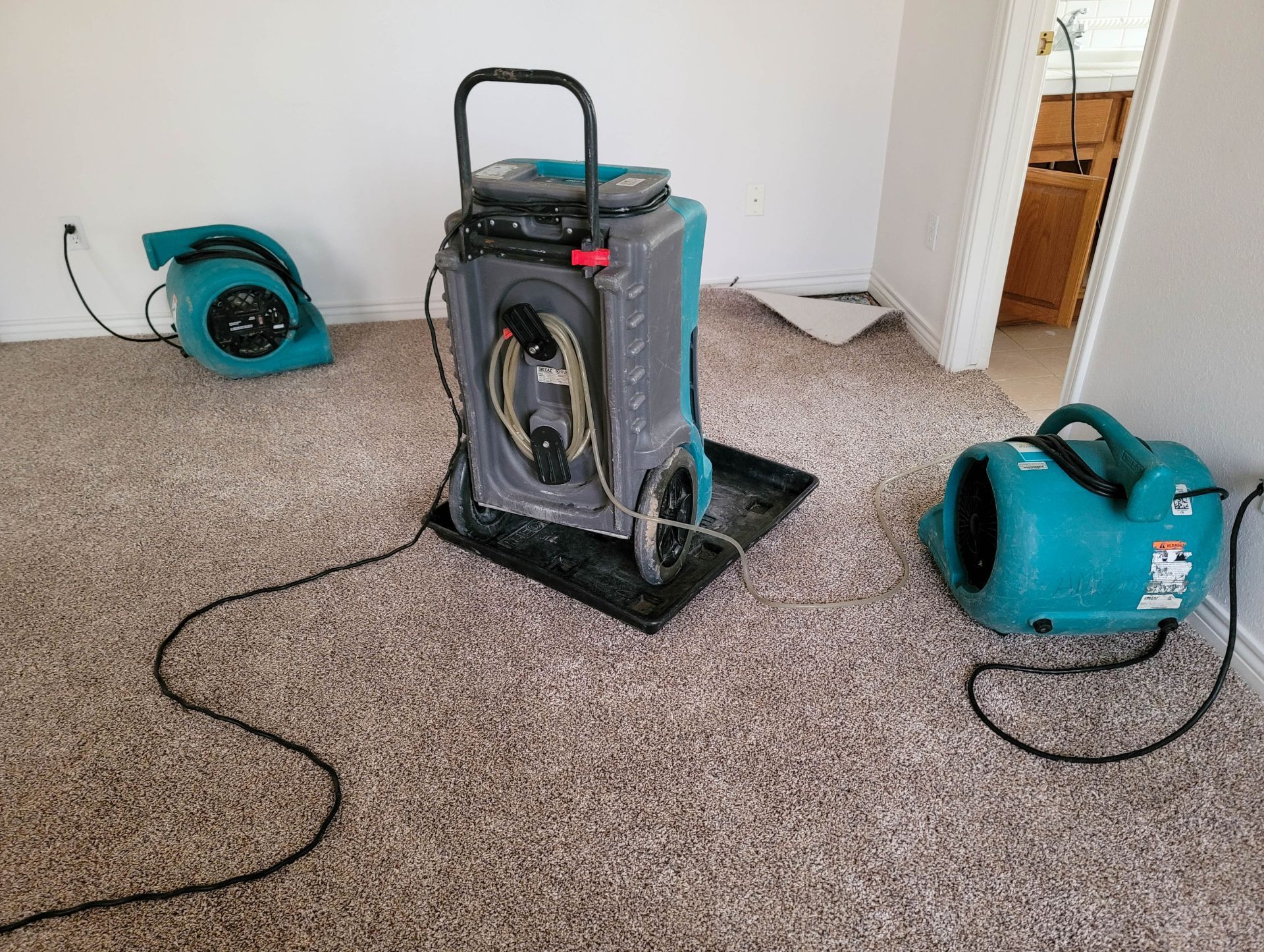
Odor Elimination (Ozone, Thermal Fogging, HEPA Filtration)
Thermal fogging mimics smoke behavior; the fogging agent penetrates the same spaces smoke did, neutralizing odor compounds at the source. Ozone treatment and hydroxyl generation are also used depending on the type of materials and the severity of odor.
These processes run in stages and are verified with air quality testing.
Final Clearance Testing
Before restoration is considered complete, air quality testing confirms that particulate levels and VOC concentrations are within safe ranges. This protects the homeowner and provides documentation for insurance purposes.
Does Homeowners Insurance Cover Smoke Damage After a Kitchen Fire?
In most cases, yes. Standard homeowners insurance policies cover smoke and fire damage, including structural damage, HVAC cleaning, content restoration, and temporary housing if the home is uninhabitable. However, there are important steps to protect your claim:
• Document everything before any cleaning begins, including photos and video of all affected areas
• Do not throw away damaged items; insurers require documentation of loss
• Contact your insurance company and a restoration professional at the same time
• Get a written restoration scope from the professional before work begins
DryMaxx works directly with all major insurance carriers throughout the Dayton area. Our team is experienced in insurance documentation, adjuster communication, and ensuring that homeowners receive the full coverage they're entitled to.
How Soon Should You Call After a Kitchen Fire?
The answer is: as soon as the fire is out and the space is safe to re-enter.
Soot begins permanently bonding to surfaces within hours of a fire. The longer smoke residue sits, the harder it becomes to remove, and the more likely it is to cause permanent staining, corrosion, and structural damage. Odor compounds deepen in porous materials over time, making them exponentially harder to eliminate.
The 24 to 48 hours immediately following a fire are the most critical window for effective restoration. Acting quickly doesn't just protect your home; it reduces the overall cost of restoration and makes the insurance process significantly smoother.
Serving Dayton and the Miami Valley After Kitchen Fire Damage
DryMaxx is a locally owned restoration company serving homeowners and businesses throughout the Dayton metro area and Miami Valley region. We provide 24/7 emergency response for fire and smoke damage restoration, working quickly to assess damage, begin restoration, and coordinate with your insurance company from day one.
Our service area includes Dayton, Kettering, Beavercreek, Centerville, Huber Heights, Springboro, Troy, Miamisburg, Fairborn, and surrounding communities.
If your home has experienced a kitchen fire, even one that seemed minor, contact DryMaxx today for a professional assessment. There's no cost to have our team evaluate the damage, and the information we provide could prevent thousands of dollars in long-term repairs.