Crawl Space Mold Removal in Dayton, OH
Get a Crawl Space Inspection in Your Dayton Home - Call Dry Maxx Today
Mold Removal Services Near Dayton
Why Choose Dry Maxx For Crawl Space Mold Removal?
Mold in a crawl space rarely stays in the crawl space. Spores travel upward through floor gaps, HVAC systems, and structural openings, quietly degrading your indoor air quality while the source remains hidden beneath your feet. For Dayton homeowners, the combination of humid Ohio summers, heavy seasonal rainfall, and aging housing stock makes crawl spaces one of the most common sites for mold growth, moisture damage, and structural deterioration.
At Dry Maxx, we do more than remove visible mold. We identify the moisture source that allowed it to grow in the first place — whether that's a flooding event, a failed vapor barrier, poor ventilation, or a slow plumbing leak — and give you a clear path to preventing it from returning. Our team is available 24/7 for crawl space flooding emergencies, and we serve the entire Dayton metro area and Miami Valley region.
Over 25 years experience
Extensive experience in mold removal serving Dayton, Cincinnati, Columbus, North Saint Marys, Richmond, IN, and more.
Locally owned & operated
Established in 2017, our dedicated owner has been serving the surrounding community with quality mold services.
No damage we can't manage
Our motto, no one should have mold in their home. We'll take care of any mold damage you have today.
Signs You May Have Mold in Your Crawl Space
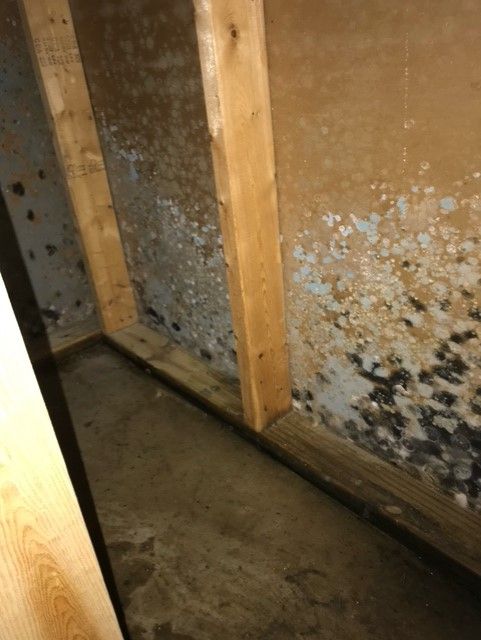
Crawl spaces are rarely inspected; mold often goes undetected until it has spread significantly. Most homeowners first notice it through symptoms in the living space above — not in the crawl space itself. If you're experiencing any of the following, a crawl space inspection is worth scheduling.
- Musty Odors Throughout the Home
- Increased Allergy or Respiratory Symptoms
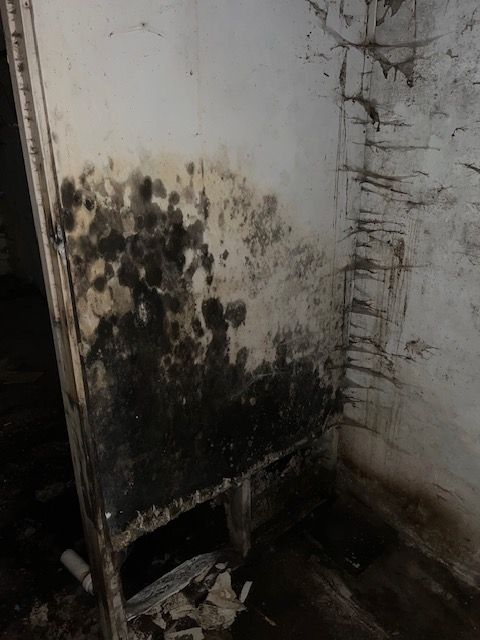
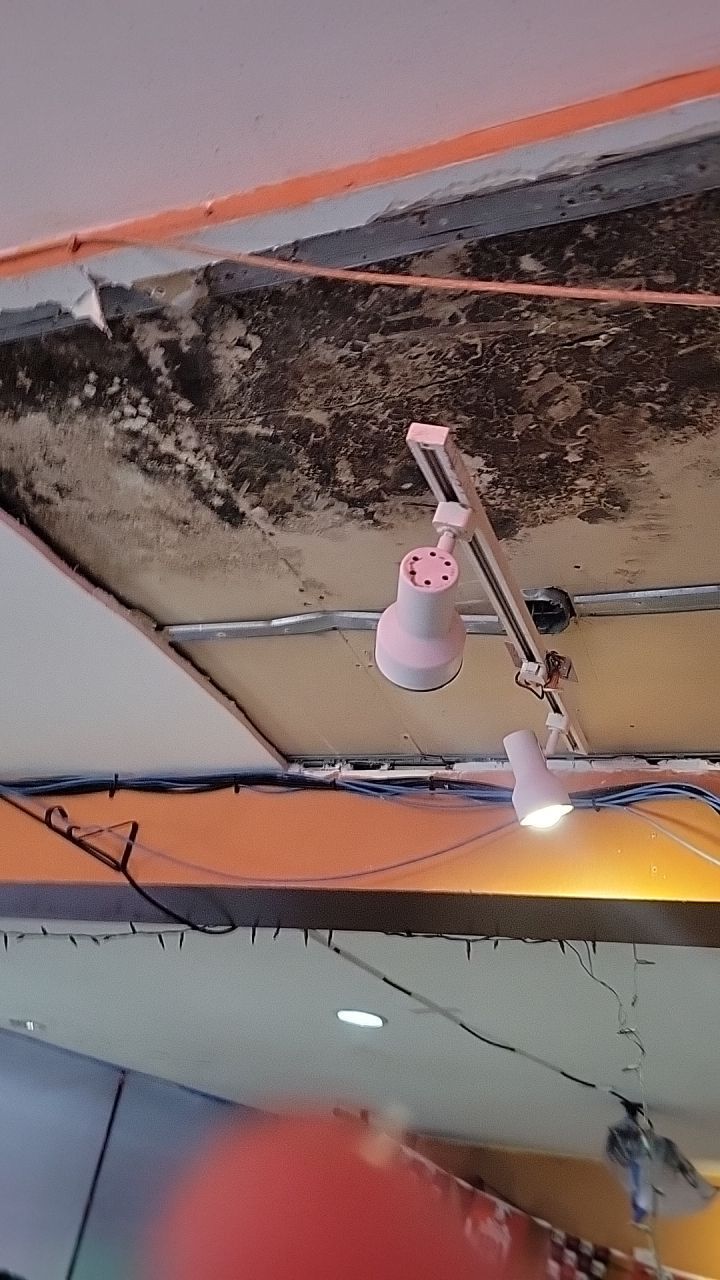
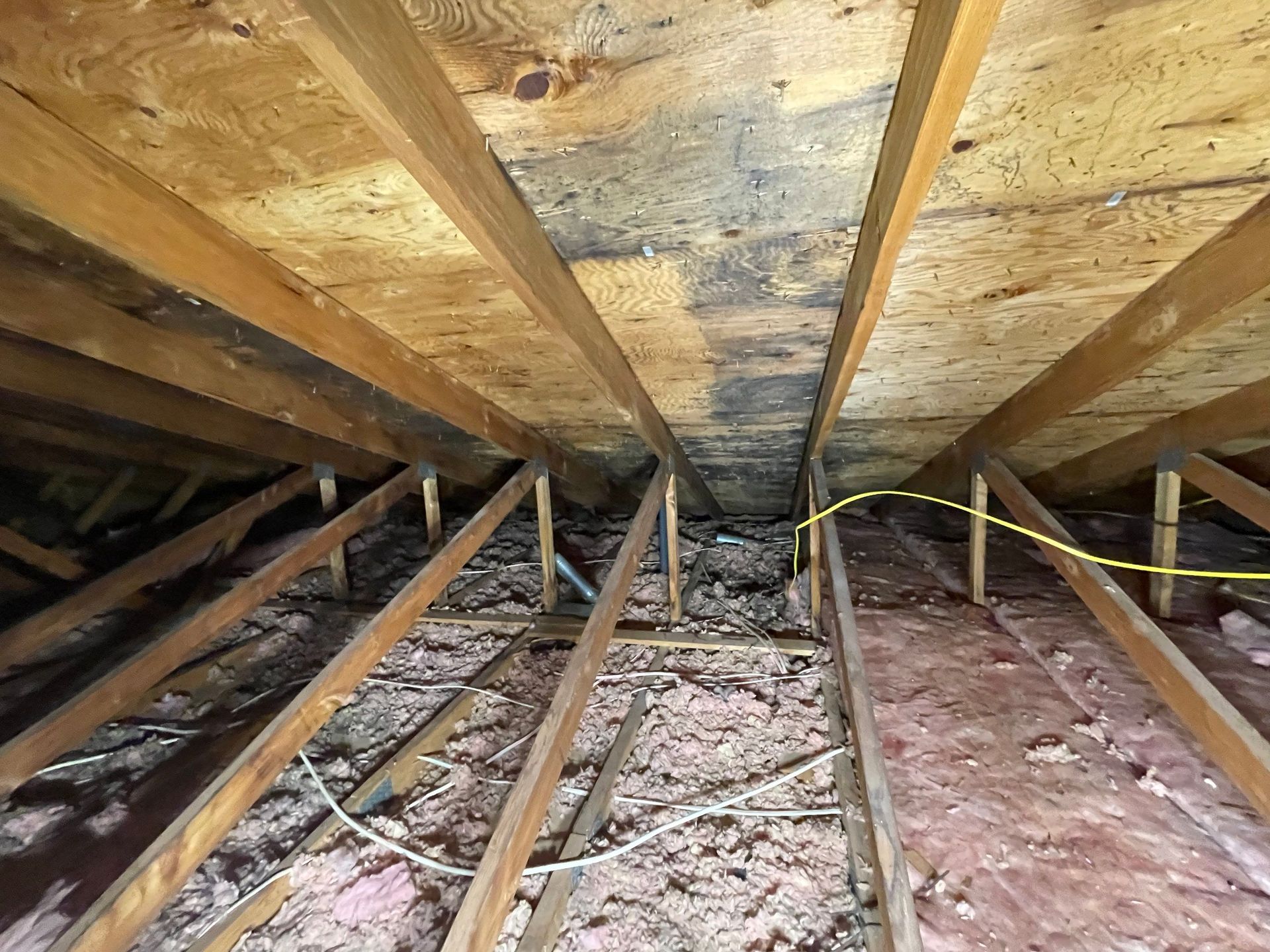
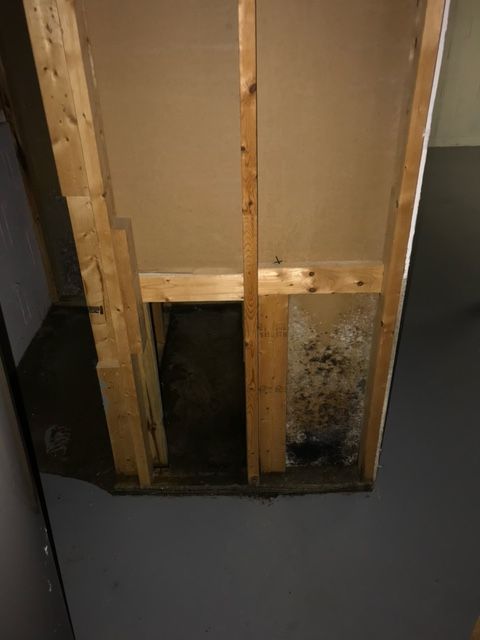
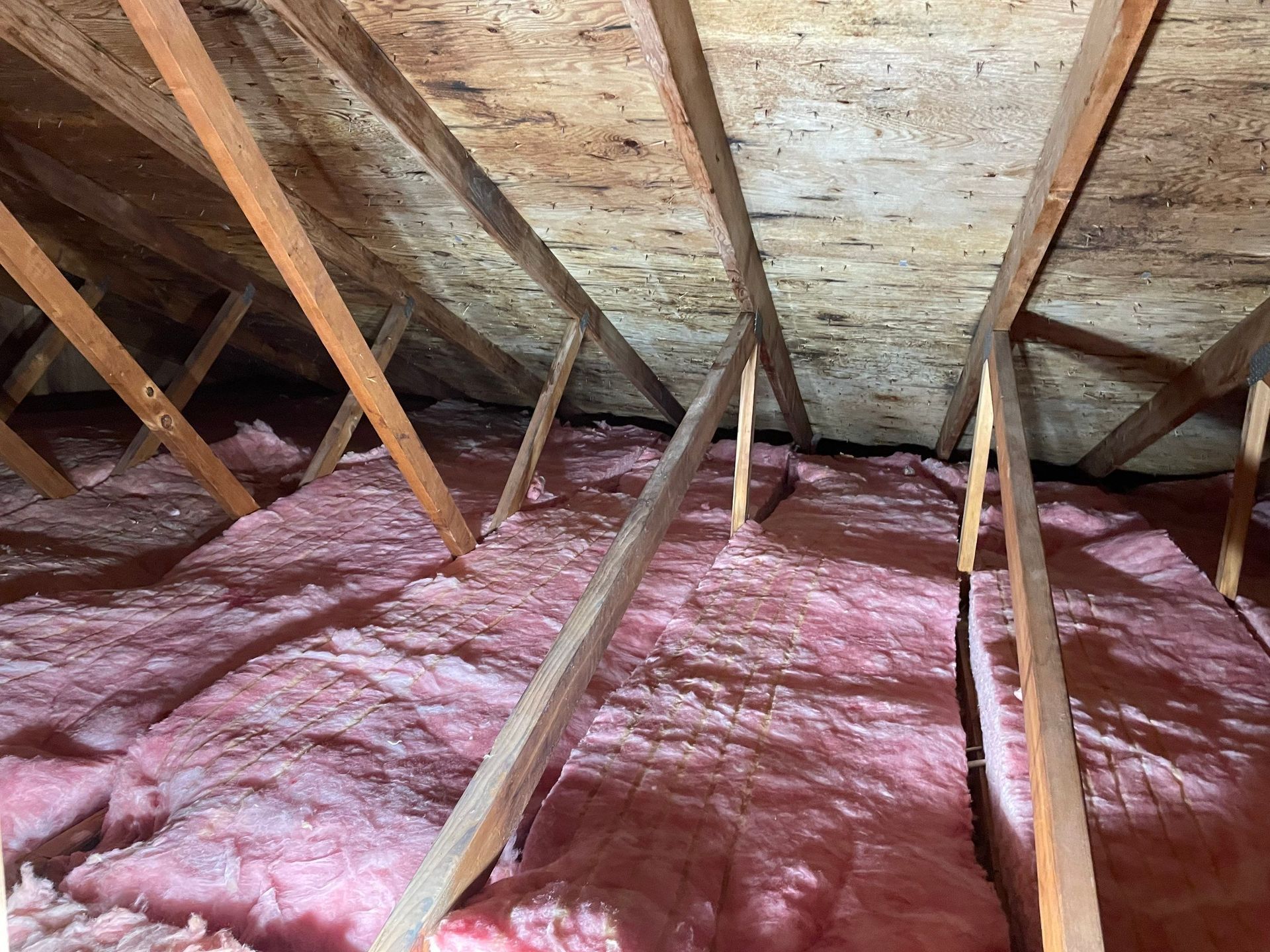
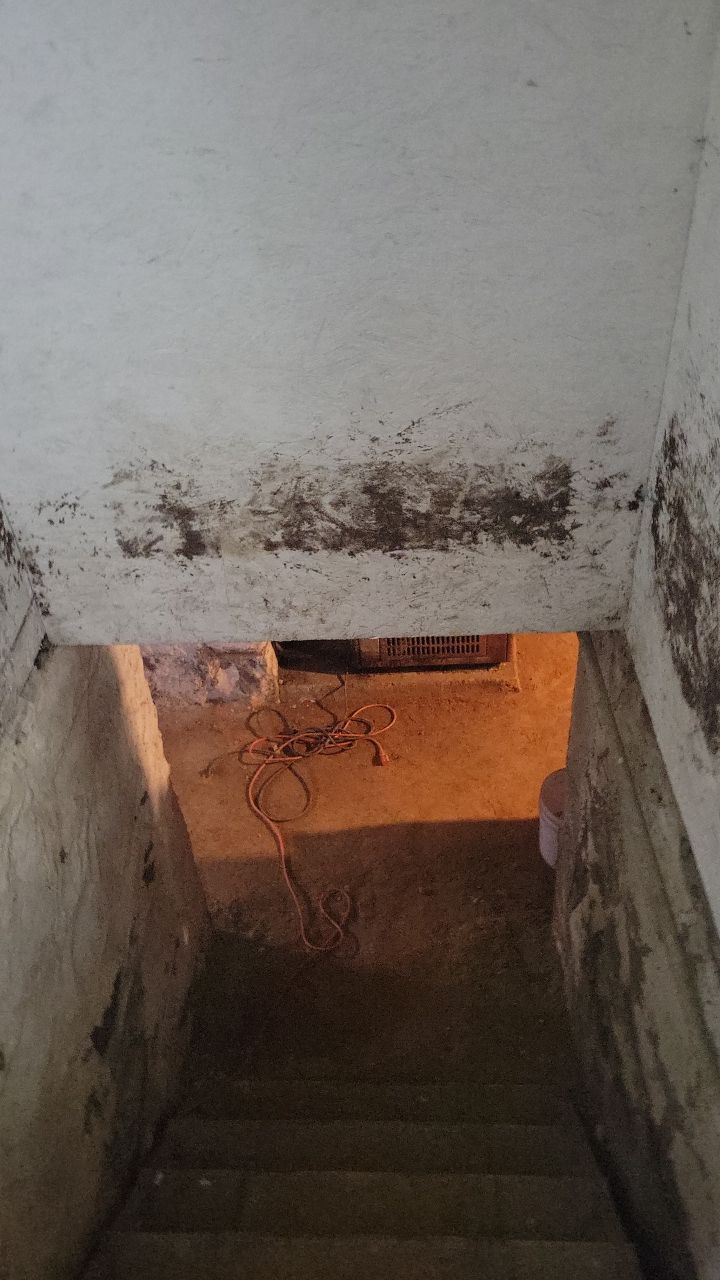
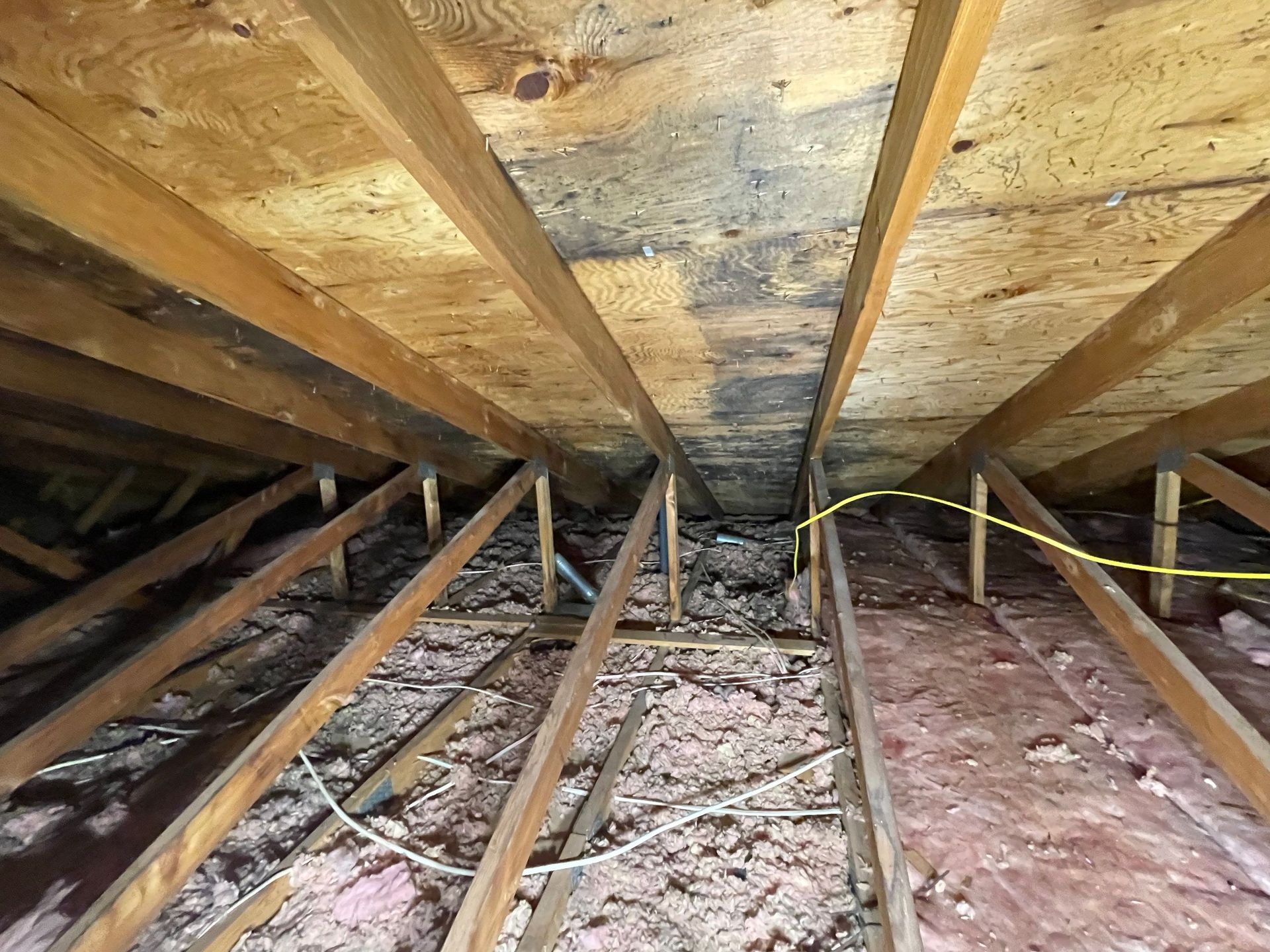
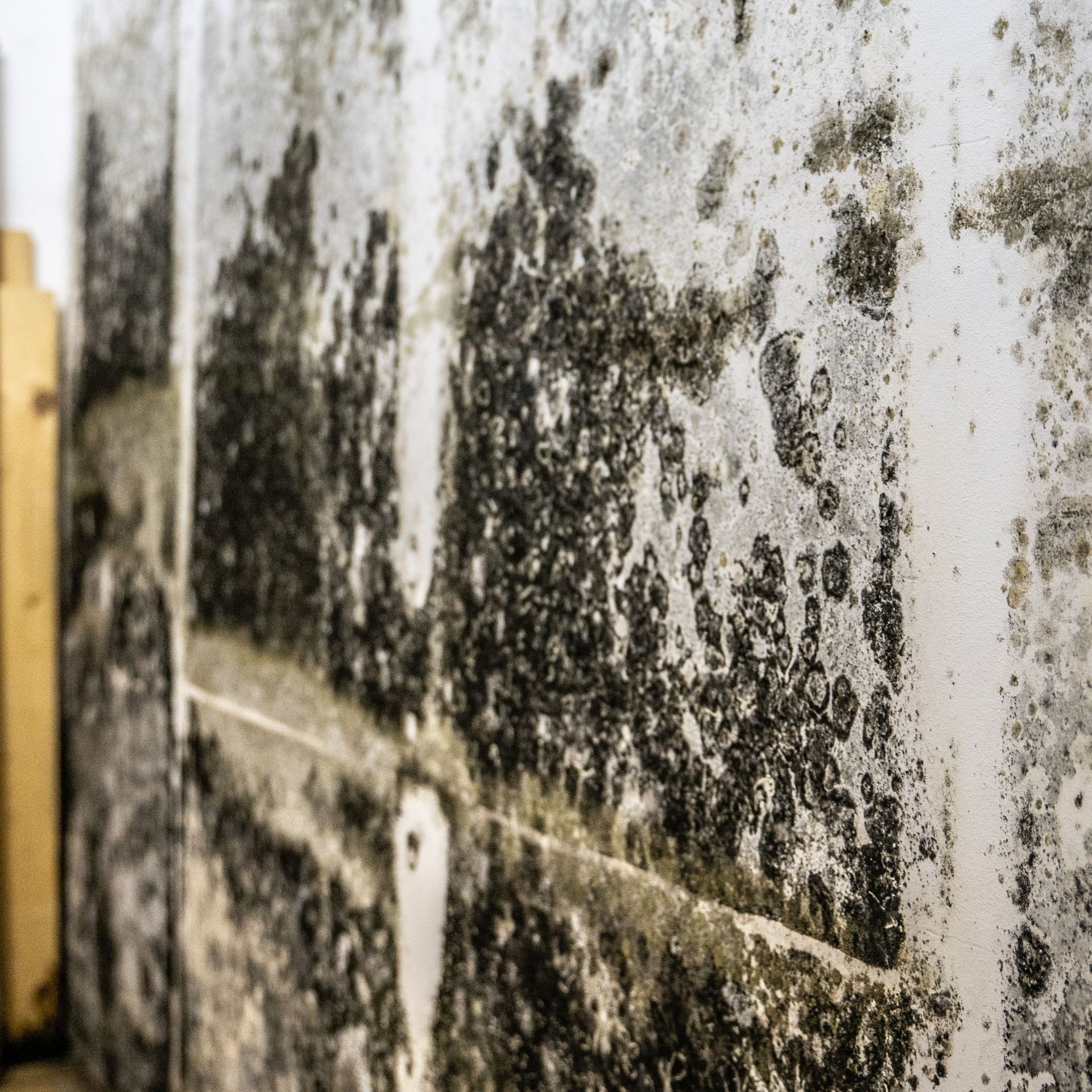
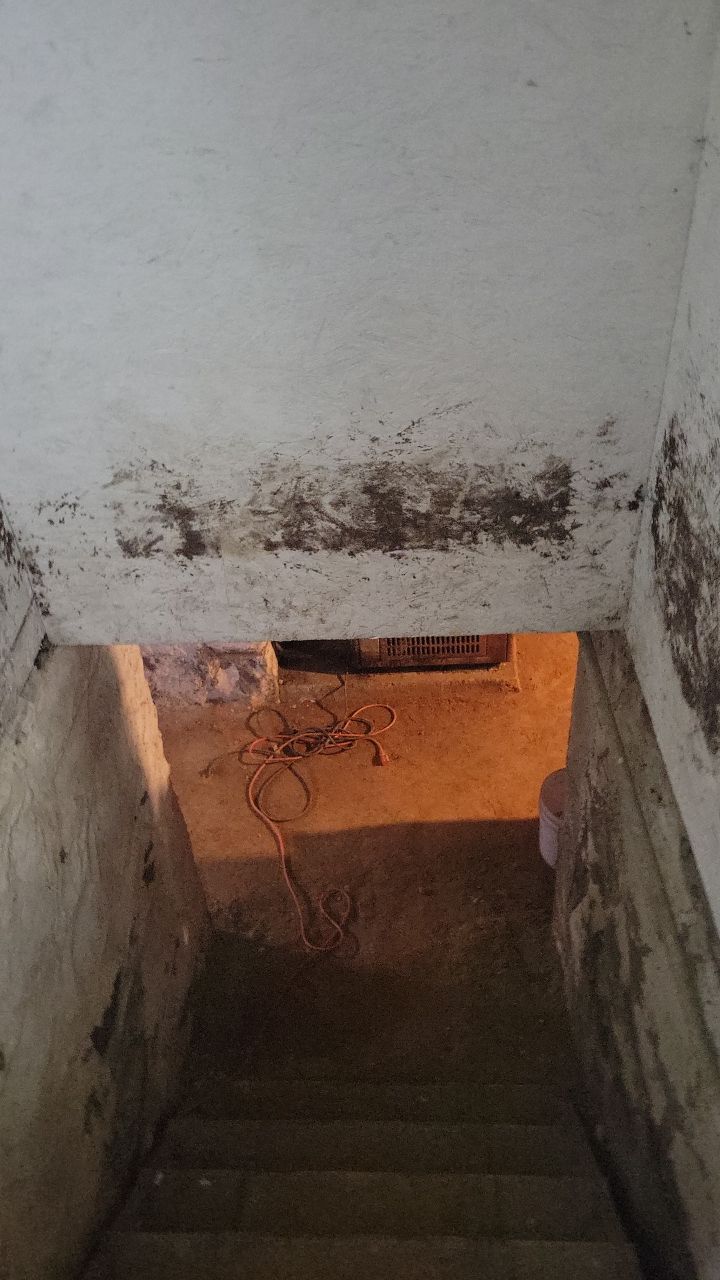
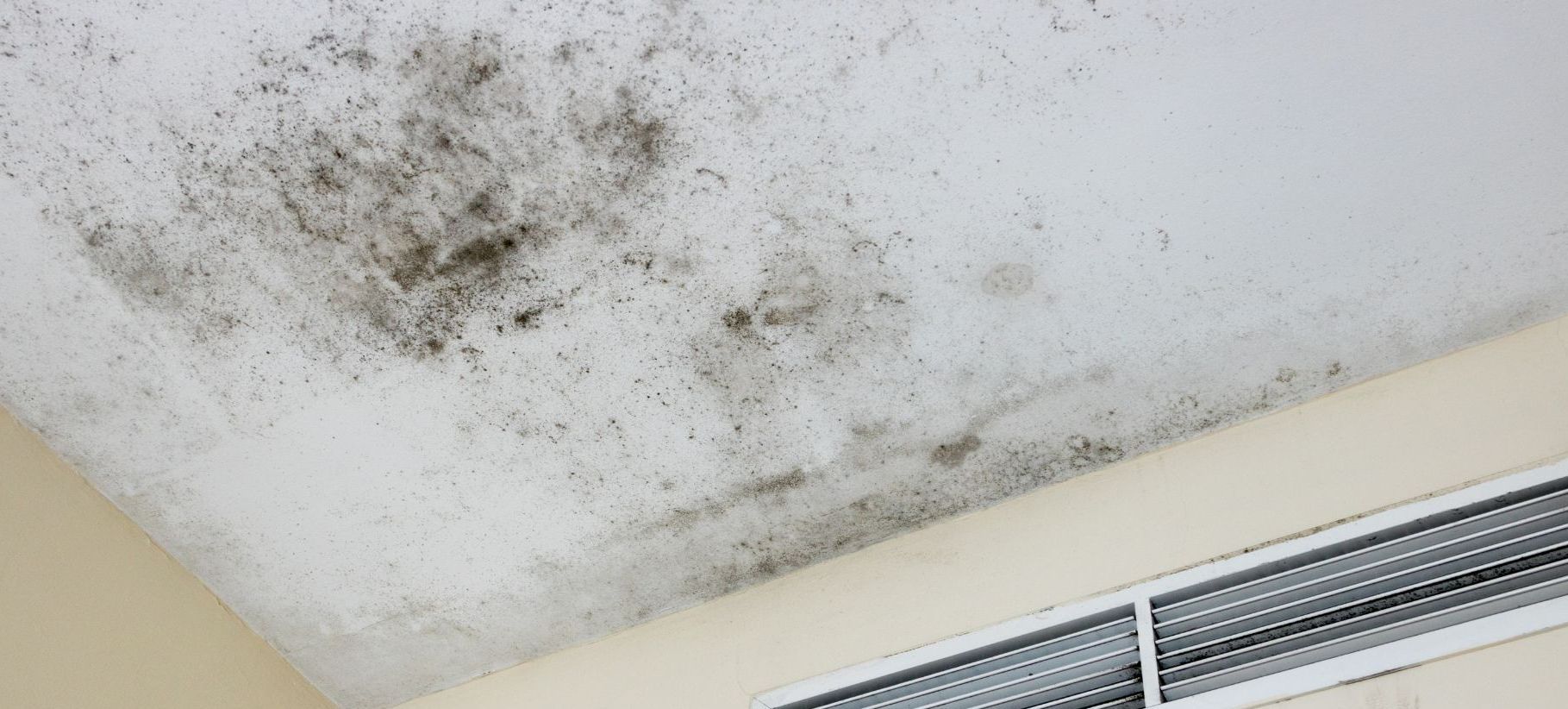
- Visible Mold Growth on Wood or Insulation
- High Humidity Levels Inside the Home
- Standing Water or Damp Soil
- Sagging Floors or Structural Concerns
What Causes Crawl Space Mold?
Mold requires three things to grow: a food source (organic material like wood or insulation), appropriate temperatures, and moisture. In crawl spaces, the food source and temperature are almost always present. Moisture is the variable that homeowners and restoration professionals focus on controlling. Understanding where that moisture comes from is the first step toward a lasting solution.
Crawl Space Flooding:
Flooding is the most acute moisture event a crawl space can experience. Heavy rainfall overwhelms drainage systems. Foundation walls develop cracks that allow water intrusion. Poor grading directs surface runoff toward the home rather than away from it. Even a few inches of standing water, if not extracted and dried quickly, creates ideal conditions for rapid mold growth across floor joists, insulation, and any organic debris present in the space.
Excess Moisture and Condensation:
Ohio's summers bring extended periods of high humidity. When warm, humid air enters a cooler crawl space, condensation forms on cold surfaces — floor joists, pipes, ductwork, and vapor barriers. This repeated cycle of wetting and drying without adequate ventilation or dehumidification creates persistent dampness that supports mold growth even without any flooding event. Homes in Dayton, Beavercreek, Centerville, and surrounding communities all contend with this seasonal humidity pattern.
Missing or Damaged Vapor Barriers
A vapor barrier is a heavy plastic sheeting installed across the crawl space floor to prevent ground moisture from evaporating upward into the space. When a vapor barrier is absent, improperly installed, torn, or has deteriorated over time, ground moisture enters the crawl space continuously. This creates a baseline level of ambient moisture that makes the space persistently hospitable to mold, even during dry weather.
Poor Crawl Space Ventilation
Crawl spaces require adequate airflow to prevent moisture from accumulating. Vents that are blocked, insufficient in number, or positioned in a way that creates dead air zones allow humidity to concentrate and stagnate. This trapped humid air, combined with the organic material in the space, creates conditions where mold can establish and spread without any obvious water event occurring.
Plumbing Leaks
Supply lines and drain pipes running through crawl spaces can develop slow leaks that go undetected for months or years. Because crawl spaces are rarely inspected, a small persistent drip from a pipe connection or a pinhole leak in a water line can saturate insulation, wet subfloor framing, and feed mold colonies over an extended period. By the time the leak is discovered, significant remediation may already be necessary.
Our Crawl Space Mold Removal Process
Dry Maxx follows a structured remediation process designed to address both the mold itself and the moisture conditions that allowed it to develop. Every project begins with a thorough assessment and ends with documented drying results and prevention recommendations.
1. Comprehensive Crawl Space Inspection
Our technicians perform a thorough inspection of the crawl space, including moisture readings at multiple locations, assessment of mold growth and its extent, evaluation of the vapor barrier condition, and a review of ventilation and drainage. This inspection gives us a complete picture of the problem before any remediation work begins. We will walk you through our findings and explain the recommended scope of work before any decisions are made.
2. Identify the Source of Moisture
Removing mold without addressing its moisture source guarantees recurrence. Before remediation begins, we identify where the water or humidity is coming from — whether that is foundation water intrusion, a past or recurring flooding event, vapor barrier failure, inadequate ventilation, a plumbing leak, or some combination of these factors. Our remediation recommendations are always tied to solving the underlying cause.
3. Mold Remediation and Removal
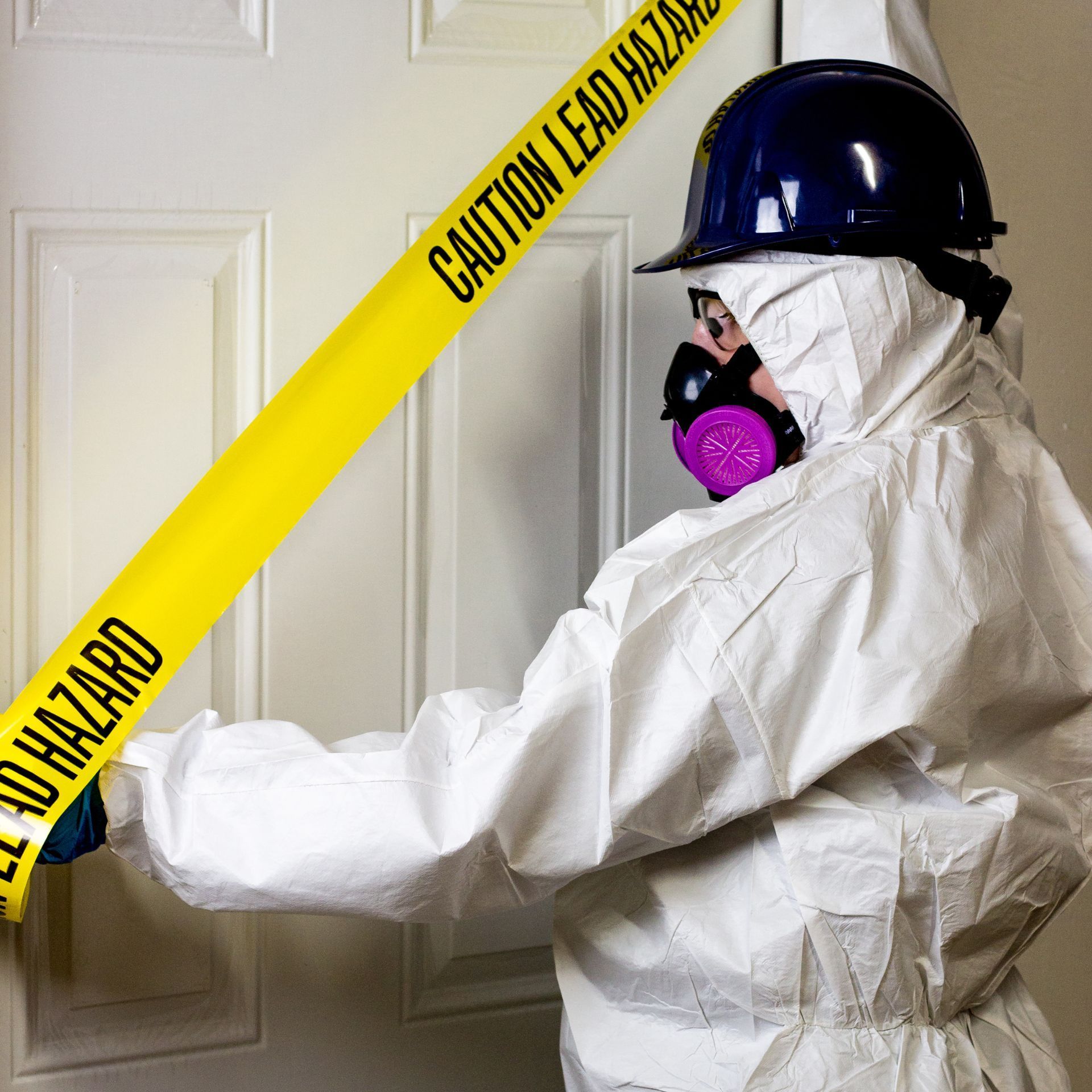
Our mold removal process follows industry-standard containment and remediation protocols. We contain the work area to prevent cross-contamination with the living space above, remove mold from affected surfaces using appropriate methods and agents, and treat structural wood to address surface contamination. Materials that are too damaged to be safely cleaned — such as saturated insulation batts — are removed and properly disposed of. We document the work throughout.
4. Drying and Dehumidification
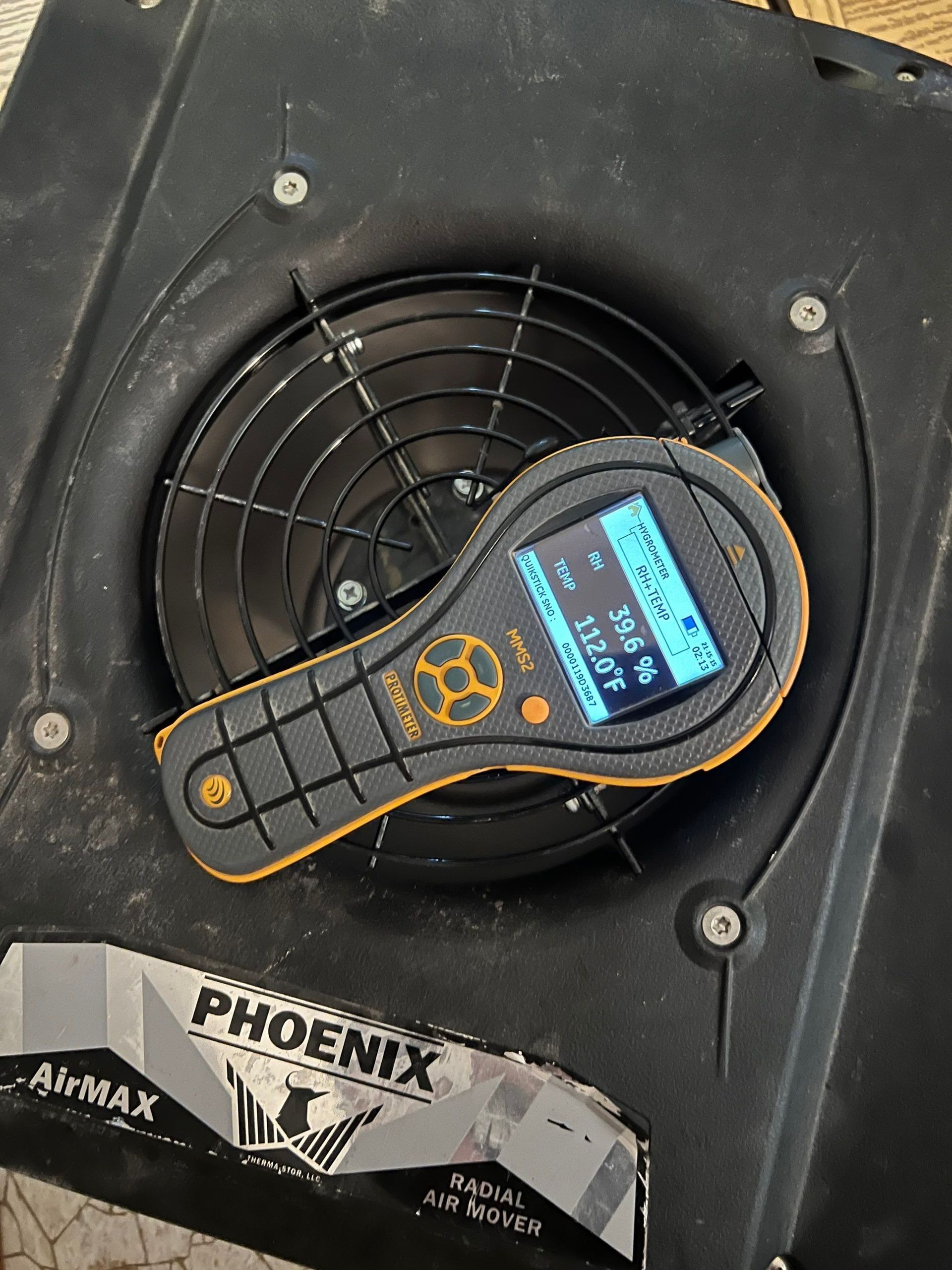
After mold removal, the crawl space must be properly dried to bring moisture levels down to acceptable ranges before any restoration or enclosure work is completed. We deploy industrial air movers and dehumidifiers sized for the space and monitor moisture readings throughout the drying period. Work is not considered complete until readings confirm the space has reached appropriate dryness levels.
5. Prevention Recommendations
Every completed remediation includes recommendations for preventing recurrence. Depending on the root cause identified during inspection, this may include vapor barrier installation or replacement, ventilation improvements, drainage corrections, or encapsulation. We explain each recommendation in plain terms so you can make informed decisions about next steps.
Contact Us About Crawl Space Mold Remediation in Ohio
Mold Remediation
Badges and Certifications





Why Crawl Space Mold Should Never Be Ignored
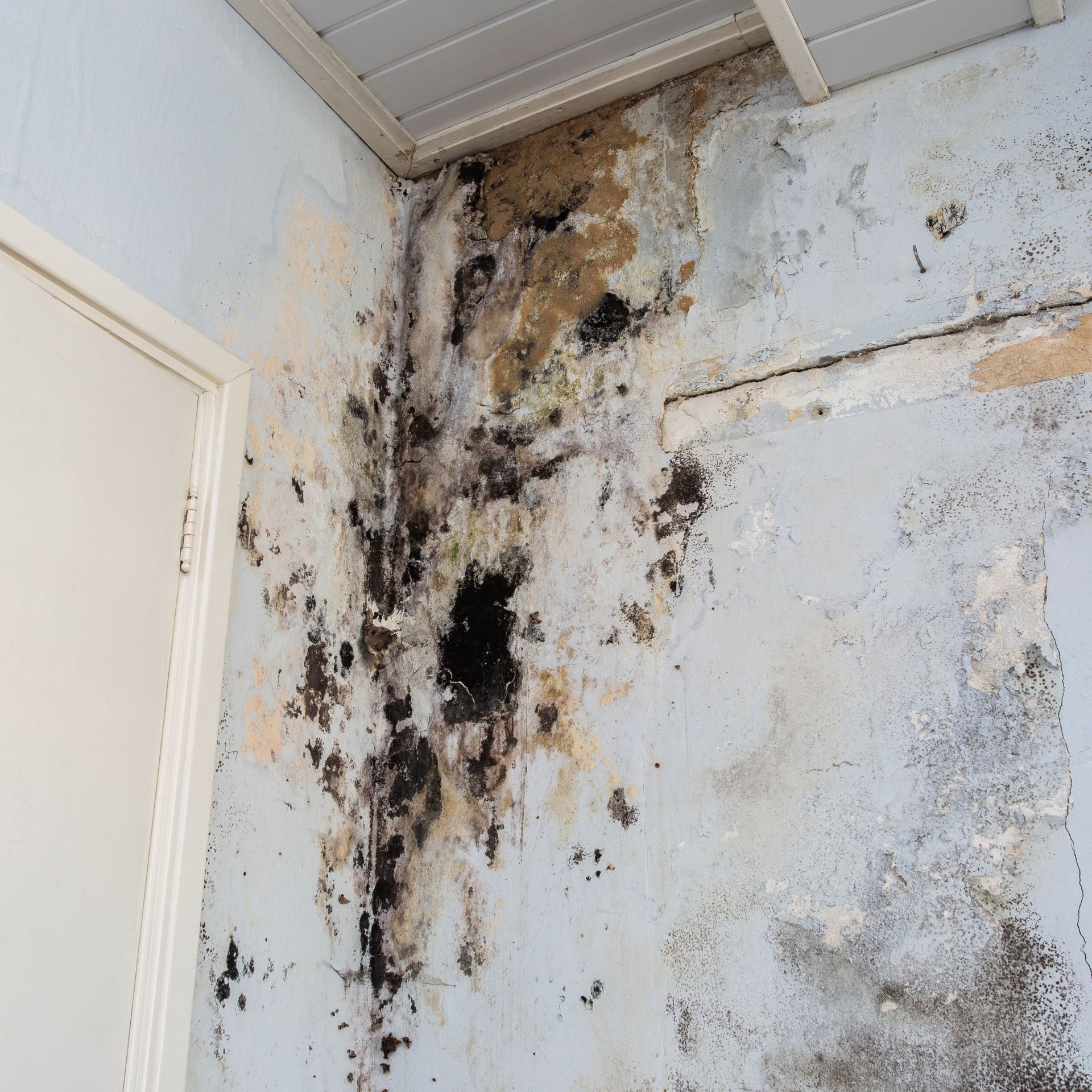
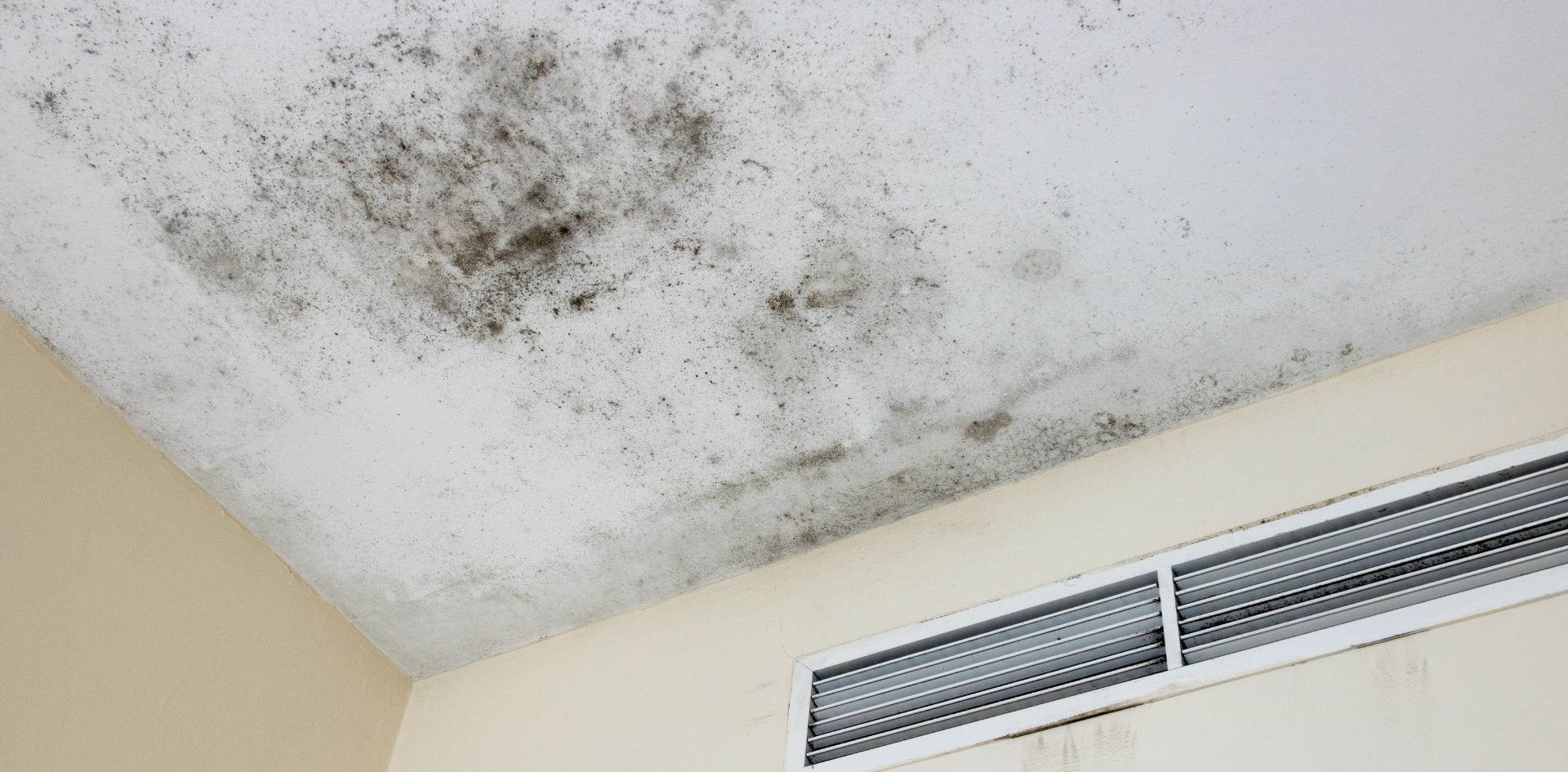
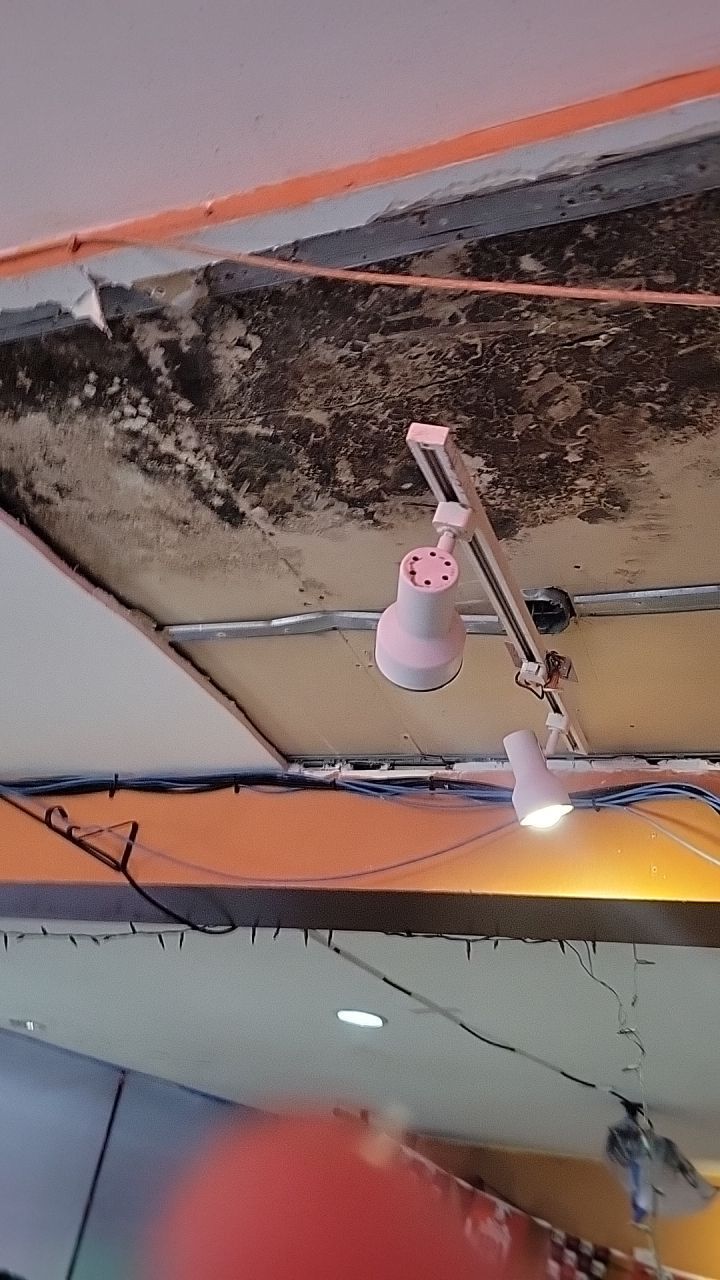
Crawl space mold is not a cosmetic problem. It has real consequences for the health of the people living in the home, the integrity of the structure itself, and the long-term cost of maintenance and repair.
Health Concerns
Mold spores produced in a crawl space migrate upward into the living areas of the home through floor openings, HVAC systems, and natural air movement. Exposure to elevated mold spore counts is associated with respiratory irritation, allergic reactions, worsening of asthma and other conditions, and with prolonged exposure to certain mold species, more serious health effects. Households with children, elderly members, or anyone with respiratory sensitivities are at heightened risk.
Structural Damage
Mold growth on floor joists and subfloor decking is frequently accompanied by moisture levels high enough to cause wood rot. Over time, structural wood softens, loses load-bearing capacity, and may require partial or complete replacement. What starts as a surface mold problem, if left unaddressed, can progress to thousands of dollars in structural repair costs. Early remediation is consistently less expensive than remediation combined with structural repair.
Reduced Indoor Air Quality
Even without visible symptoms, continuous mold spore exposure degrades indoor air quality over time. Crawl space mold is a chronic source of contamination that does not resolve on its own. Elevated spore counts and mycotoxins associated with certain mold species create living conditions that fall below what any household should accept as normal.
Increased Repair Costs Over Time
Mold spreads. Moisture damage compounds. Structural deterioration accelerates. The longer crawl space mold and the moisture conditions supporting it go unaddressed, the more extensive and costly the eventual remediation becomes. Scheduling an inspection at the first sign of a problem is almost always the lower-cost path.
FAQs for Crawl Space Mold Removal in Dayton
How do I know if mold is growing in my crawl space?
The most common signs are musty odors in the home, increased allergy or respiratory symptoms among household members, visible mold growth on wood or insulation when the crawl space is inspected, high indoor humidity levels, and standing water or damp soil below the home. Because crawl spaces are not regularly accessed, a professional inspection is the most reliable way to assess the current condition of the space.
What causes mold in crawl spaces?
Crawl space mold is almost always tied to a moisture problem. Common causes include flooding from heavy rain or sump pump failure, foundation water intrusion, missing or damaged vapor barriers that allow ground moisture to evaporate upward, poor ventilation that traps humidity, and undetected plumbing leaks. Removing mold without identifying and correcting the moisture source will result in recurrence.
Can crawl space mold affect indoor air quality?
Yes. Mold spores produced below the home migrate upward through floor openings, HVAC systems, and natural air pressure differences. This means elevated mold spore counts in the crawl space translate to elevated spore counts in the living spaces above. The effect on indoor air quality is real even when household members are not experiencing obvious symptoms.
Do I need a vapor barrier to prevent mold?
A vapor barrier is one of the most effective tools for reducing crawl space moisture, and most crawl spaces benefit from having one properly installed. Whether a vapor barrier alone is sufficient depends on the severity and source of moisture in your specific crawl space. In cases where flooding, foundation seepage, or serious ventilation deficiencies are the primary drivers, additional measures are typically needed alongside or instead of a vapor barrier.
Does homeowners insurance cover crawl space mold removal?
Coverage depends on your specific policy and the cause of the mold. Mold resulting from a covered sudden water damage event — such as a burst pipe or appliance failure — is more likely to have some coverage than mold resulting from long-term moisture buildup, poor ventilation, or neglected maintenance. Dry Maxx can help you understand how to document and present your claim effectively and work alongside your adjuster when coverage applies.
How long does crawl space mold remediation take?
A typical crawl space mold remediation takes one to three days, depending on the extent of the mold growth, the size of the space, and how much material needs to be removed or treated. The drying phase that follows remediation may add additional time before the space is ready for any subsequent restoration work. We provide a timeline estimate as part of the initial assessment.
What should I do if my crawl space floods?
Call Dry Maxx as quickly as possible. The faster water is extracted and the space is dried, the lower the likelihood that mold will establish. Do not attempt to dry out a flooded crawl space with standard household fans — the equipment required to properly dry a crawl space is industrial grade. In the meantime, avoid entering the crawl space until water has been extracted, as standing water in an enclosed space carries electrical and safety risks.
Can mold return after remediation?
Mold can return if the moisture conditions that caused it are not corrected. This is why identifying and addressing the root cause — not just removing visible mold — is the central focus of our remediation process. A properly remediated crawl space with corrected moisture sources, appropriate vapor control, and adequate ventilation has a very low likelihood of recurring mold problems.
How much does crawl space mold removal cost?
Cost varies based on the size of the crawl space, the extent of mold growth, the amount of material removal required, and the scope of any additional moisture control work recommended. We provide detailed, itemized estimates before any work begins. There are no hidden charges, and we will not recommend work that is not warranted by the conditions we find.
Do you provide crawl space inspections?
Yes. Contact Dry Maxx to schedule a crawl space inspection. We assess moisture levels, evaluate the condition of the vapor barrier and ventilation, look for signs of mold growth or water damage, and provide you with a clear written summary of our findings and recommendations. We serve the Dayton metro area and surrounding communities throughout the Miami Valley.