How to Prevent Frozen Pipes This Winter in Dayton, Ohio | DryMaxx Dayton

December 5, 2025

How to Prevent Frozen Pipes This Winter in Dayton, Ohio

Each winter, freezing temperatures sweep through the Dayton area, putting local homes at risk of frozen or burst pipes. When water inside a pipe freezes, it expands and builds pressure, which can cause the pipe to crack or burst completely. The result is often thousands of dollars in water damage, especially in basements, crawl spaces, and older homes that are more vulnerable to sudden temperature drops.


The good news? Most frozen pipe emergencies are preventable with the right preparation. Below is a complete guide to protecting your Dayton home this winter, along with important steps to take if your pipes do freeze.


DryMaxx proudly serves Dayton, Kettering, Beavercreek, Springboro, Centerville, and more, and we’re here to help you stay ahead of cold-weather damage.


Why Pipes Freeze in Dayton Winters


Dayton experiences rapid temperature swings, wind chills, and long cold spells each year. These conditions often lead to frozen pipes, particularly when temperatures drop into the teens or single digits.


Here are the most common reasons pipes freeze in Dayton homes:

  • Poor insulation in older homes: Many Dayton neighborhoods were built decades ago, and some still have plumbing running along exterior walls or through uninsulated basements.
  • Exposed pipes in unheated areas: Basements, crawl spaces, garages, and utility areas can get extremely cold during winter nights.
  • Drafts and air leaks: Even small gaps near foundation walls, windows, or dryer vents can let freezing air reach your pipes.
  • Thermostats are set too low: Lowering the heat too much, especially when you’re away, increases the risk of freezing.


Because Dayton has a mix of older homes and newer builds, pipe vulnerabilities vary widely, which is why prevention is so important.


Parts of Dayton Homes Most at Risk


While any pipe can freeze, certain areas in Dayton homes see more issues than others. These include:


  • Unfinished basements: Very common in Dayton and often the first area to experience extreme cold.
  • Crawl spaces: Seen often in Centerville and suburban neighborhoods.
  • Garages and utility rooms: Pipes near exterior garage walls freeze quickly during winter cold snaps.
  • Exterior wall plumbing: Ranch-style Dayton homes and older two-story houses often have kitchen or bathroom plumbing running along outside walls.
  • Outdoor faucets and hose bibs: These are exposed to wind and freezing temperatures throughout the winter.


If your home was built before the 1970s, your plumbing may be more exposed or poorly insulated, increasing the chances of freeze damage.


Step-by-Step Tips to Prevent Frozen Pipes in Dayton


Here are the most effective ways to protect your home from frozen pipes, especially during the coldest parts of winter.


1. Insulate Exposed Pipes


Use foam pipe sleeves, heat tape, or fiberglass insulation on pipes in unheated areas such as:

  • Basements
  • Garages
  • Crawl spaces
  • Attics
  • Utility rooms


Just a few dollars of insulation can prevent thousands in water damage.


2. Seal Cracks and Openings


Cold air sneaking in from the outside is one of the biggest causes of frozen pipes in Dayton homes.


Check for gaps around:

  • Foundation cracks
  • Windows and doors
  • Utility line openings
  • Dryer vents
  • Attic access panels


Seal these areas with caulk or weatherstripping to keep warm air inside and freezing air out.


3. Maintain a Stable Indoor Temperature


Never set your thermostat below 55°F in the winter, even if you’re out of town. A steady indoor temperature keeps pipes warm enough to prevent freezing.


If you have sinks against exterior walls, open the cabinet doors to let warm air circulate around the pipes.


4. Let Faucets Drip During Extreme Cold


During single-digit temperatures or wind chill advisories, turn faucets on to a very slow drip.


Moving water is far less likely to freeze, and it helps relieve pressure inside the pipe.


This is especially important for:

  • Kitchen sinks on exterior walls
  • Bathroom plumbing in older Dayton homes
  • Basements and utility sinks


5. Disconnect and Drain Outdoor Hoses


Drain and shut off all outdoor faucets before winter’s first freeze.


If the spigot has an interior shut-off valve, turn it off and drain the line to prevent freezing inside the wall.


6. Know How to Shut Off Your Main Water Valve


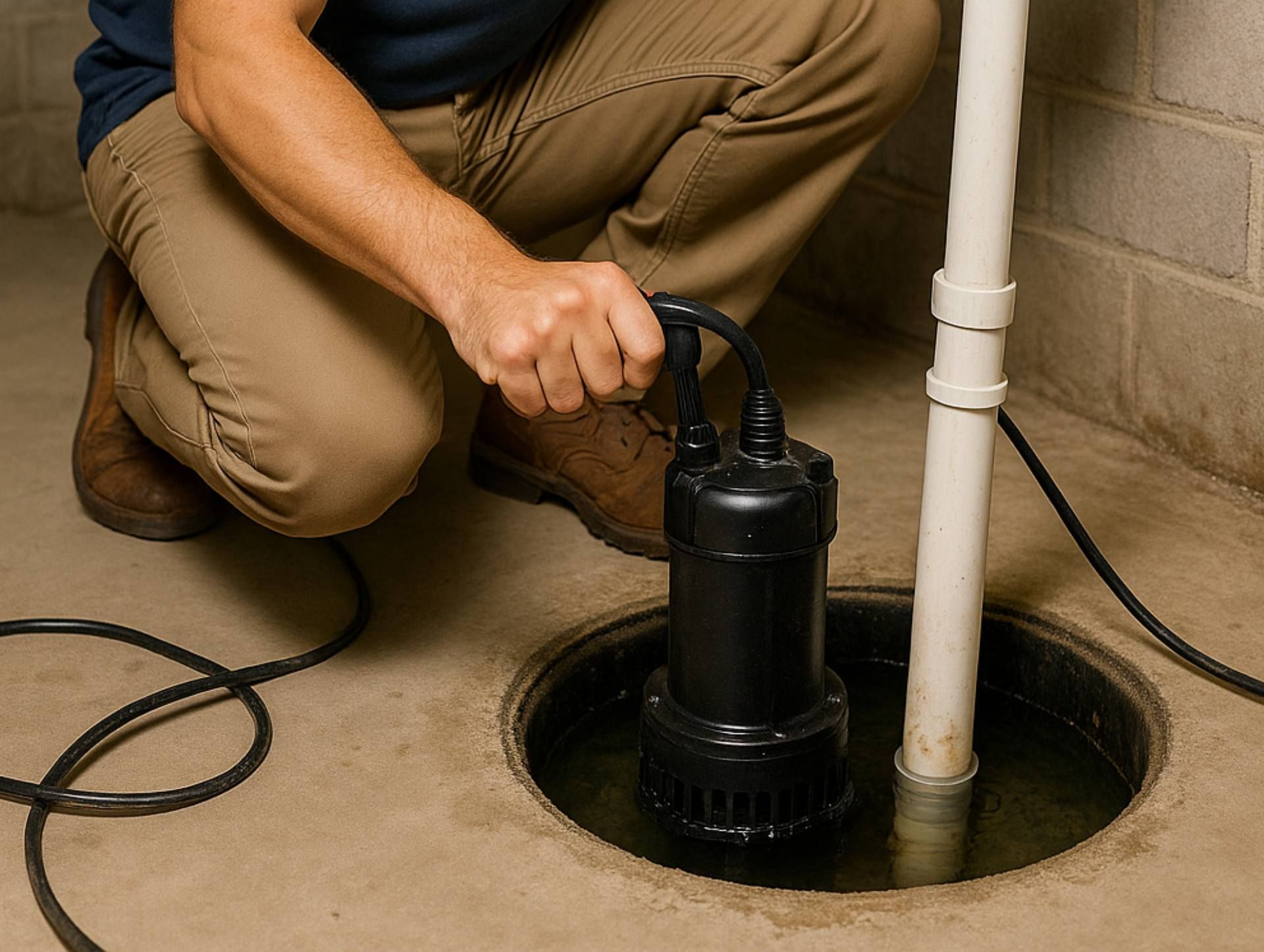
If a pipe bursts, shutting off the water quickly can significantly reduce damage.


Most Dayton homes have their shut-off valve:

  • Near the water meter in the basement, or
  • Along a main utility wall
  • Make sure every adult in your home knows where it is.


What to Do If Your Pipes Freeze in Dayton


If you turn on a faucet and only a trickle comes out, you may have a frozen pipe.


Here’s what to do:

  • Turn off your main water supply immediately.
  • Keep faucets open so melting ice has somewhere to go.
  • Gently warm the frozen pipe using a hair dryer or space heater.
  • Never use an open flame.
  • Call a professional if you see any bulging, cracking, or leaking.


If you suspect the pipe has burst, even if it is a small crack, you’ll need emergency water cleanup right away.


DryMaxx provides 24/7 frozen pipe and water damage response across the entire Dayton area and can arrive quickly to start the mitigation process.


Why Professional Water Damage Help Matters


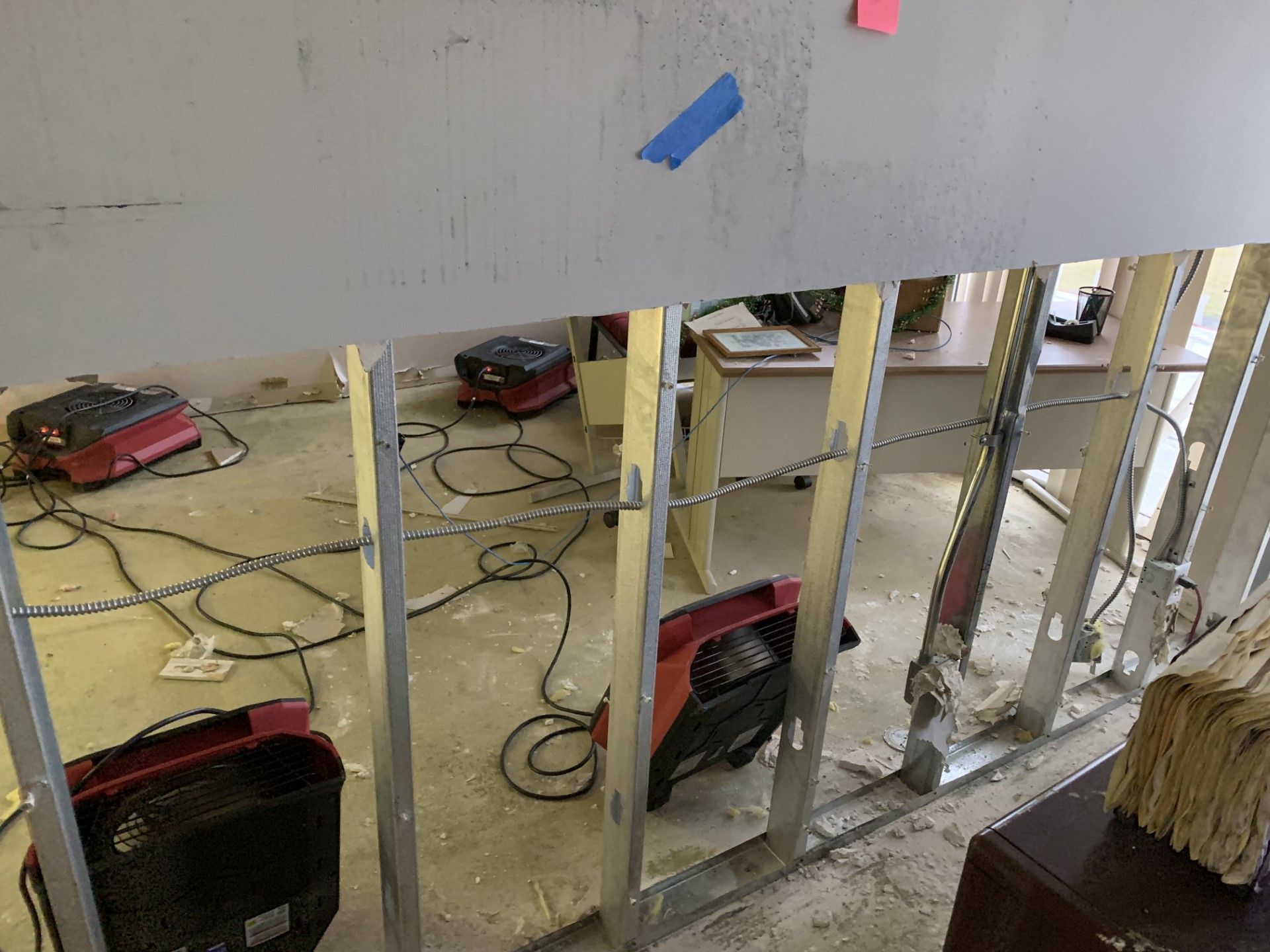
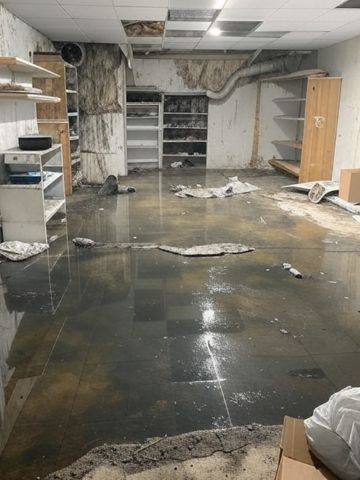
Frozen pipes often cause leaks inside walls, under flooring, or in basements, areas where water damage can spread quickly.


Even small leaks can lead to:

  • Mold growth
  • Structural damage
  • Warped flooring
  • Damage to drywall and insulation


DryMaxx offers:

  • Fast water extraction
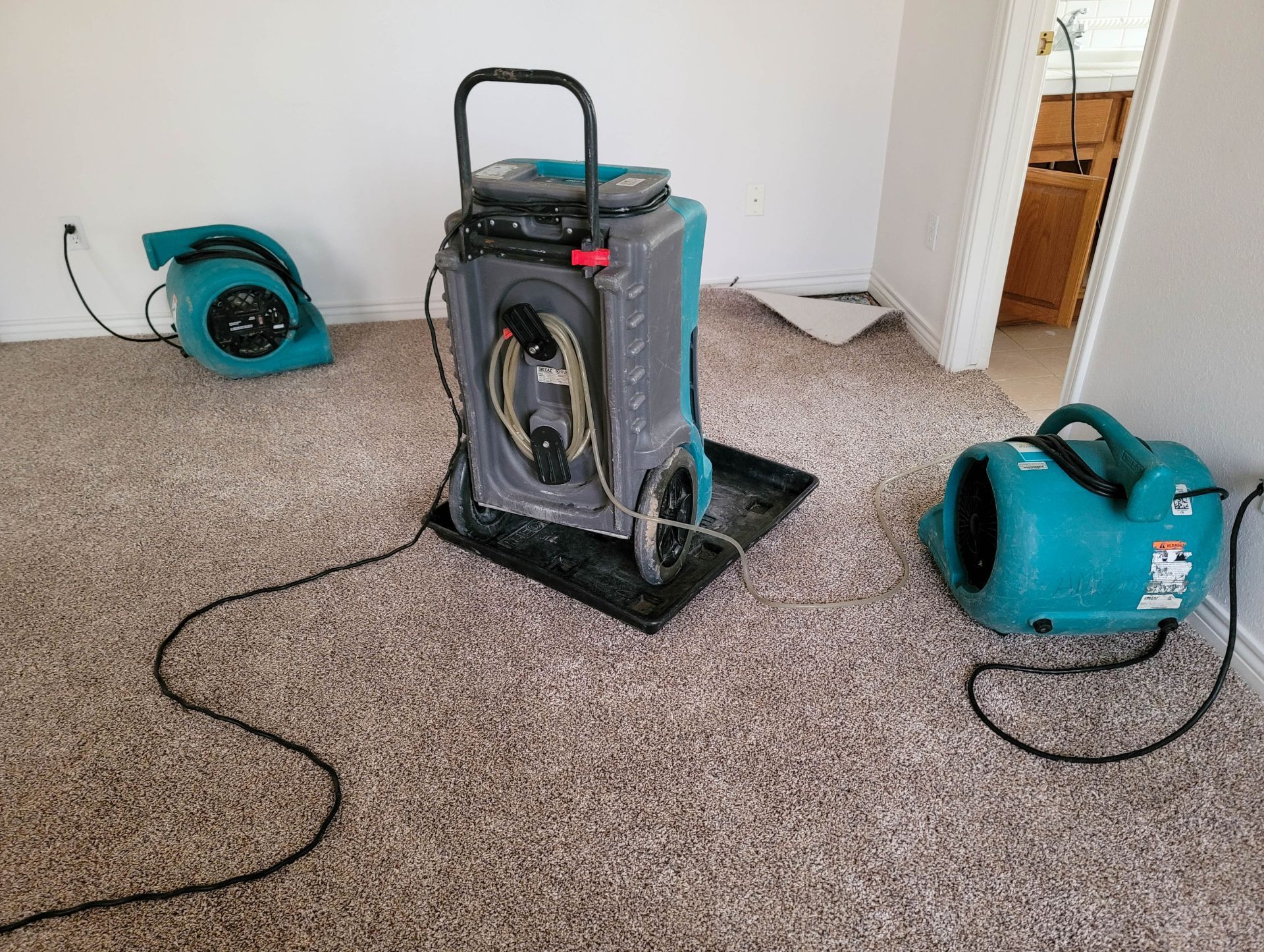
  • Industrial-strength drying and dehumidification
  • Mold prevention and remediation
  • Damage repair
  • 24/7 emergency service across Dayton, Kettering, Beavercreek, Springboro, and Centerville


When pipes burst, seconds matter, and professional help ensures your home is safe and fully restored.


Protect Your Dayton Home From Frozen Pipes This Winter


Freezing temperatures are part of every Dayton winter, but frozen pipes don’t have to be. By preparing early and following these tips, you can significantly reduce your risk of costly water damage.


If you’re dealing with frozen pipes, leaks, or a burst pipe in Dayton or the surrounding areas, DryMaxx is here 24/7 to help restore your home quickly and safely.
April 3, 2026
Heavy rain in Dayton can cause sump pump failures and basement flooding. Learn maintenance tips for Ohio homeowners and when to call professionals.
March 21, 2026
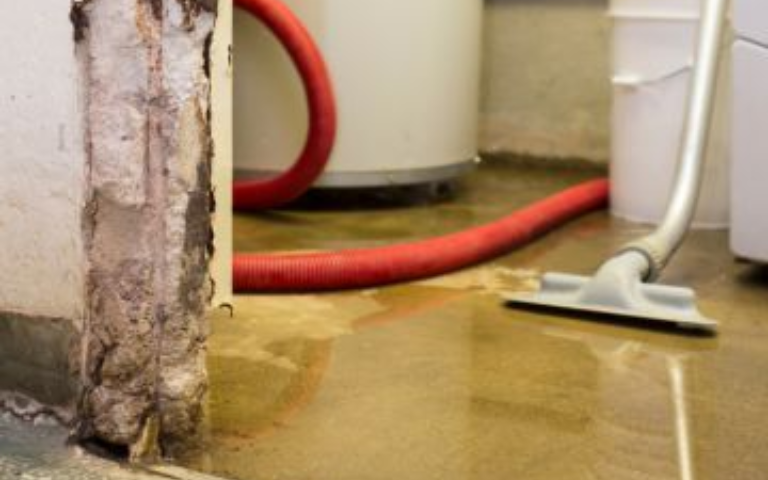
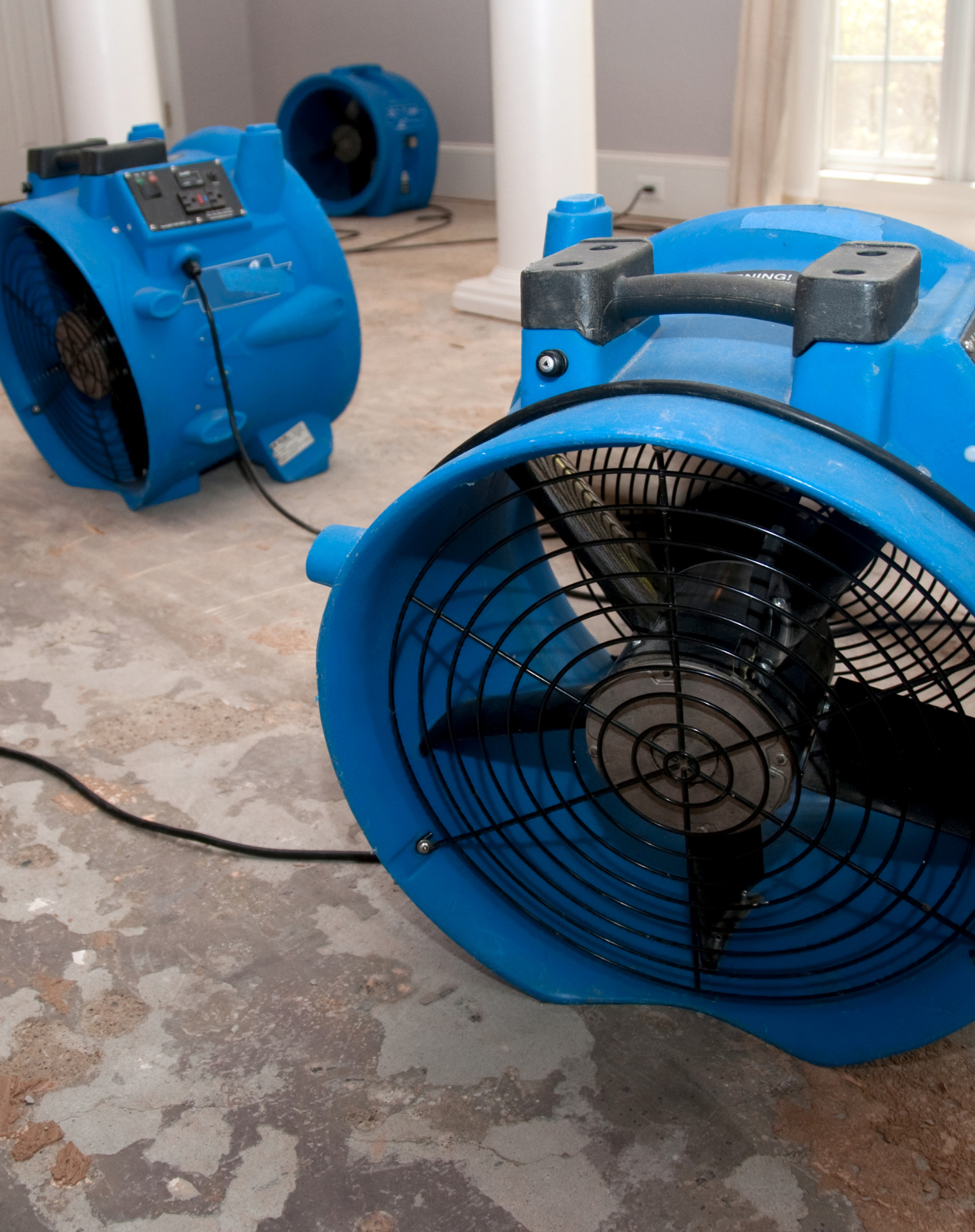
Basement Flooding Is a Common Problem in Dayton Basement flooding in Dayton, Ohio, can be a common issue because of heavy rains, structural problems, and fluctuating groundwater levels. Frequent rainstorms and melting snow can push water into your basement. Appliances can fail, or pipes can burst, causing basement flooding. Understanding what to do and who to call when your basement floods can reduce the impact. Common Causes of Basement Flooding in Dayton Homes Basement flooding can be a common problem for Dayton homeowners caused by both home maintenance issues and environmental conditions. Understanding the potential causes allows you to take steps to protect your home before it happens. Below are some of the typical causes to be aware of: Heavy rain that exceeds the capacity of a drainage system Poor grading that causes water to collect around the home’s foundation Foundation walls that are deteriorating or cracked Clogged, blocked, or damaged gutters and downspouts Sump pump failures or no backup system Groundwater pressure forces water through basement floors or walls Aging, clogged, or broken sewer lines that cause backups Leaking window wells due to failed seals or the buildup of debris What to Do Immediately After Basement Flooding Acting quickly to address a flooded basement in Dayton can make a big difference if you don’t want it to get worse. Even small amounts of standing water can quickly cause mold growth, damage your foundation, affect air quality, and ruin your possessions. The longer water sits, the more expensive repairs can be. Taking immediate action can lessen the impact and safeguard your home. Make Sure It’s Safe to Enter the Basement You should assume your basement isn’t safe after it floods, so before you step into it, turn off your electricity. Don’t allow your family or your pets to enter the basement. Standing water can create dangerous electrical risks and weaken structures, causing floors to become unstable. Call a professional water restoration expert for an inspection before attempting to clean up your basement. Stop the Source of the Water (If Possible) If you confirm your basement is safe to enter after it floods, try to stop active water flow to prevent further damage. If a plumbing issue caused the flooding, shut off the main water valve. Turning the water off at the main water supply can ensure the situation doesn’t get worse if it's caused by a leaking appliance, a burst pipe, or an overflowing drain. If heavy rain has caused flooding to enter from outside, you can minimize intrusion by ensuring your sump pump is operating properly, reduce entry points, and try to redirect water away from the foundation. Document the Damage for Insurance When you file a claim, insurance companies want proof of the damage in your basement, so document it with photos and videos of the water levels and items that were ruined. Relocate your belongings to a drier location to prevent more damage. Call our water restoration experts immediately to start cleanup and repairs. Why You Should Avoid DIY Basement Flood Cleanup Attempting to handle DIY basement flooding cleanup can be more complicated than many homeowners realize. Contaminated water containing bacteria or chemicals can seep behind your walls, under your floors, and into your home’s insulation, causing long-term hazards. Without access to the proper equipment, it's hard to remove moisture from hidden areas. Restoration professionals wear proper protection and use effective tools to dry and sanitize your basement so your health won’t be at risk. They know how to safely manage contaminated water and correctly restore it. How Professional Basement Flood Cleanup Works To restore your home to pre-flood condition, our professional basement flood cleanup process eliminates water quickly and dries out the basement. Our effective cleanup methods and specialized equipment enable us to extract the water, stop mold from developing, and sanitize the area so long-term damage will be minimized. Water Extraction and Pump-Out Any standing water in your basement will be removed using high-powered pumps and extraction tools to prevent it from soaking deeper into your walls, floors, and damaging your personal belongings. Removing the water quickly ensures your home is safe and prepares your basement for the drying process. Drying and Dehumidification After extracting the water, we use industrial-grade air movers and dehumidifiers to remove moisture from the air, walls, floors, and hidden areas. Thoroughly drying these prevents mold from growing and helps prevent structural problems in the future. Cleaning, Sanitizing, and Odor Removal When the moisture has been eliminated and your basement is dry, our crews clean and disinfect the area while removing contaminants that were in the floodwater. Odors are treated and neutralized to improve air quality. Then your basement is safe and sanitary and ready for the final stage of restoration. Repairs and Restoration After moisture is eliminated and the area is dry, basement water damage restoration begins. Technicians will then replace damaged drywall, floors, and insulation, so the home will be functional again. Health and Mold Risks After Basement Flooding In 24 to 48 hours, moisture can cause bacteria and mold to grow in your flooded basement, if not sanitized, risking the health of family members who suffer from allergies or breathing problems. Professional cleaning and restoration are essential to keep your home safe. Will Insurance Cover Basement Flooding in Dayton? Depending on what caused the flooding to occur in your basement, some insurance policies will cover it. It’s wise to confirm your coverage by reviewing your policy before filing a claim. Damage caused by groundwater or storms sometimes requires you to have a separate policy. How Professional Documentation Helps With Claims Having restoration professionals document the damage caused by flooding can strengthen your insurance claim. Our technicians will record water levels and take photos to maximize your claim, which can help accelerate the insurance approval process. When to Call for Emergency Basement Flood Cleanup in Dayton Call Dry Maxx for Dayton emergency basement flood cleanup immediately if water is rising in your basement or you notice dangerous electrical hazards. Prompt action can prevent long-term health risks, stop damage from worsening, and keep your home and family safe.
February 4, 2026
Property managers in Springboro, OH, face water damage, mold, fire, and sewage issues. Learn the top restoration challenges and how DryMaxx helps 24/7.
January 2, 2026
Experiencing water damage in Dayton? Learn what to expect from Dry Maxx’s emergency water damage services, from assessment to full restoration. Available 24/7.
October 23, 2025
Dry Maxx offers 24/7 restoration services in Dayton for property management companies. Fast, reliable damage repair & renovation solutions for water, fire, mold, storm damage & more.
House Flipping Renovation in Ohio
March 20, 2025
Get expert house flipping renovation in Ohio, including water damage repair, mold removal, and structural drying, to restore and increase home value.
Winter Water Damage
By Web Team December 12, 2024
Protect your Ohio home from winter damage. Learn about water damage, ice dams, burst pipes, and mold prevention with tips and restoration services from Dry Maxx.
Home Remodeling
By Web Team November 8, 2024
Discover how home remodeling can enhance the value of real estate for a sale. Learn key remodeling projects for boosting property value, attracting buyers, and improving ROI when flipping a home.