Sump Pump Maintenance Tips for Ohio Homeowners
Why Sump Pump Maintenance Matters During Ohio’s Rainy Seasons
Heavy rain is common in Dayton, especially during spring and early summer storms. When the ground becomes saturated, groundwater pressure around your home increases — and that’s when sump pumps are put to the test. For many homeowners, a properly functioning sump pump is the difference between a dry basement and a flooded one.
While sump pumps are designed to protect your home from water intrusion, they can fail when they’re overworked, poorly maintained, or nearing the end of their lifespan. Understanding how to maintain your sump pump can help prevent basement flooding and costly water damage. And when problems arise, professional restoration services can help protect your home from further damage.
How a Sump Pump Protects Your Basement From Flooding
A sump pump is typically installed in a pit at the lowest point of your basement or crawl space. When water collects in the sump pit, the pump automatically activates and moves the water away from your home through a discharge pipe.
For many homes in Ohio, especially in areas with high water tables or heavy seasonal rain, sump pumps play a critical role in preventing:
- Basement flooding
- Water damage to flooring and drywall
- Mold growth caused by excess moisture
- Structural damage to foundations
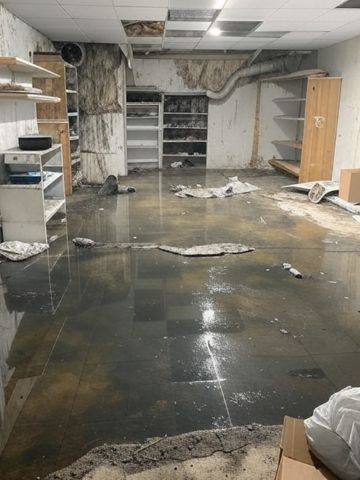
When the system is working properly, homeowners may never even notice it running. But when a sump pump fails during heavy rain, water can quickly accumulate in the basement.
Common Reasons Sump Pumps Fail During Heavy Rain
During periods of intense rainfall in the Dayton area, sump pumps often run continuously. This puts extra stress on the system and can expose weaknesses in older or poorly maintained pumps.
Power Outages During Storms
Many sump pumps rely on your home’s electrical system. If a storm causes a power outage, the pump will stop working unless a backup battery system is installed.
Clogged Discharge Lines
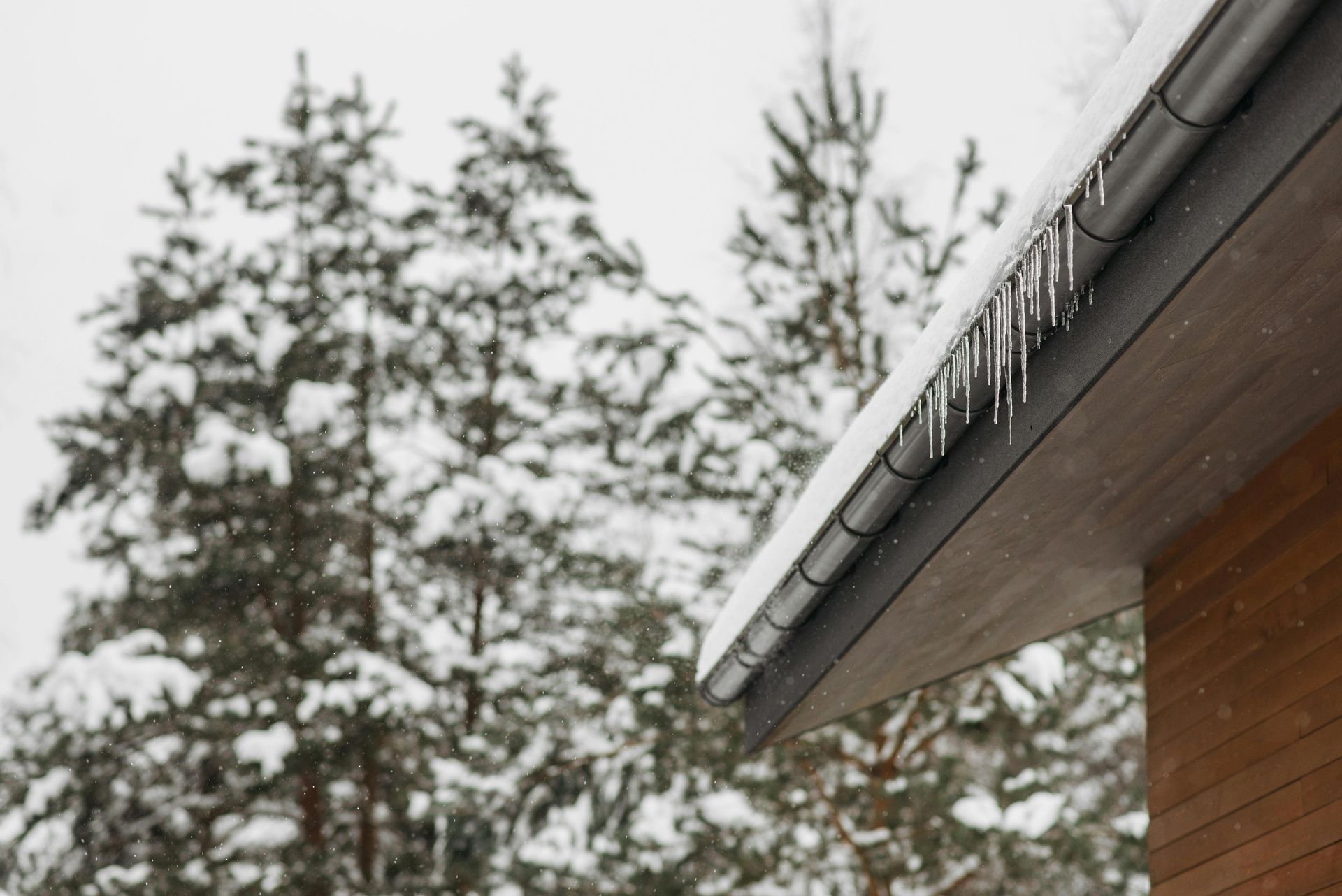
The discharge pipe carries water away from your home. If the pipe becomes clogged with dirt, debris, or ice, water may not drain properly and can flow back into the sump pit.
H3: Overworked Pumps During Prolonged Rain
When rainfall continues for hours or days, sump pumps may run constantly. Older pumps may struggle to keep up with the volume of water entering the pit.
Old or Worn-Out Equipment
Most sump pumps last between 7 and 10 years. If your pump is approaching this age, it may be less reliable during heavy storms.
Signs Your Sump Pump May Be Failing
Recognizing the warning signs of sump pump problems can help prevent serious water damage.
Watch for these indicators:
- The pump makes unusual grinding or rattling noises
- The pump runs constantly without stopping
- The pump does not activate when water rises
- Water is pooling around the sump pit
- Visible rust or corrosion on the pump
- Musty odors or moisture appearing in the basement
If you notice any of these issues, it’s important to address them quickly before heavy rainfall leads to basement flooding.
Sump Pump Maintenance Tips for Ohio Homeowners
Routine maintenance can help ensure your sump pump works properly when you need it most.
Test Your Sump Pump Regularly
A simple test involves pouring a bucket of water into the sump pit. The float should rise and trigger the pump to activate. If the pump does not start or struggles to remove water, it may require servicing or replacement.
Clean the Sump Pit and Pump
Over time, debris such as dirt, gravel, or sediment can collect in the sump pit. This buildup can clog the pump intake and reduce efficiency.
Cleaning the pit periodically helps maintain proper operation.
Inspect the Discharge Pipe
Make sure the discharge pipe is clear and directing water away from the foundation. Water should exit at least 10–20 feet away from the home to prevent it from flowing back toward the foundation.
Check the Float Switch
The float switch controls when the pump turns on and off. Ensure the float can move freely and is not obstructed by debris or the side of the pit.
Install a Backup Power Source
Battery backup sump pumps can provide protection during power outages, which often occur during severe storms.
Why Heavy Rain in Dayton Puts Extra Stress on Sump Pumps
Homes throughout the Miami Valley often experience high groundwater levels during extended rain events. Saturated soil increases hydrostatic pressure around basement walls and foundations, forcing water toward the lowest point of the home.
This is why sump pumps may run more frequently during rainy periods in Dayton. When pumps fail during these conditions, basements can flood quickly, sometimes within minutes.
What to Do If Your Sump Pump Stops Working
If your sump pump fails during a storm or you discover water in your basement, quick action can help limit damage.
Remove Standing Water Quickly
Standing water can damage flooring, drywall, and furniture. Professional water extraction equipment is often necessary to remove large amounts of water quickly.
Protect Belongings From Further Water Damage
Move valuable items, electronics, and furniture away from flooded areas to prevent further damage.
Call a Professional Restoration Team
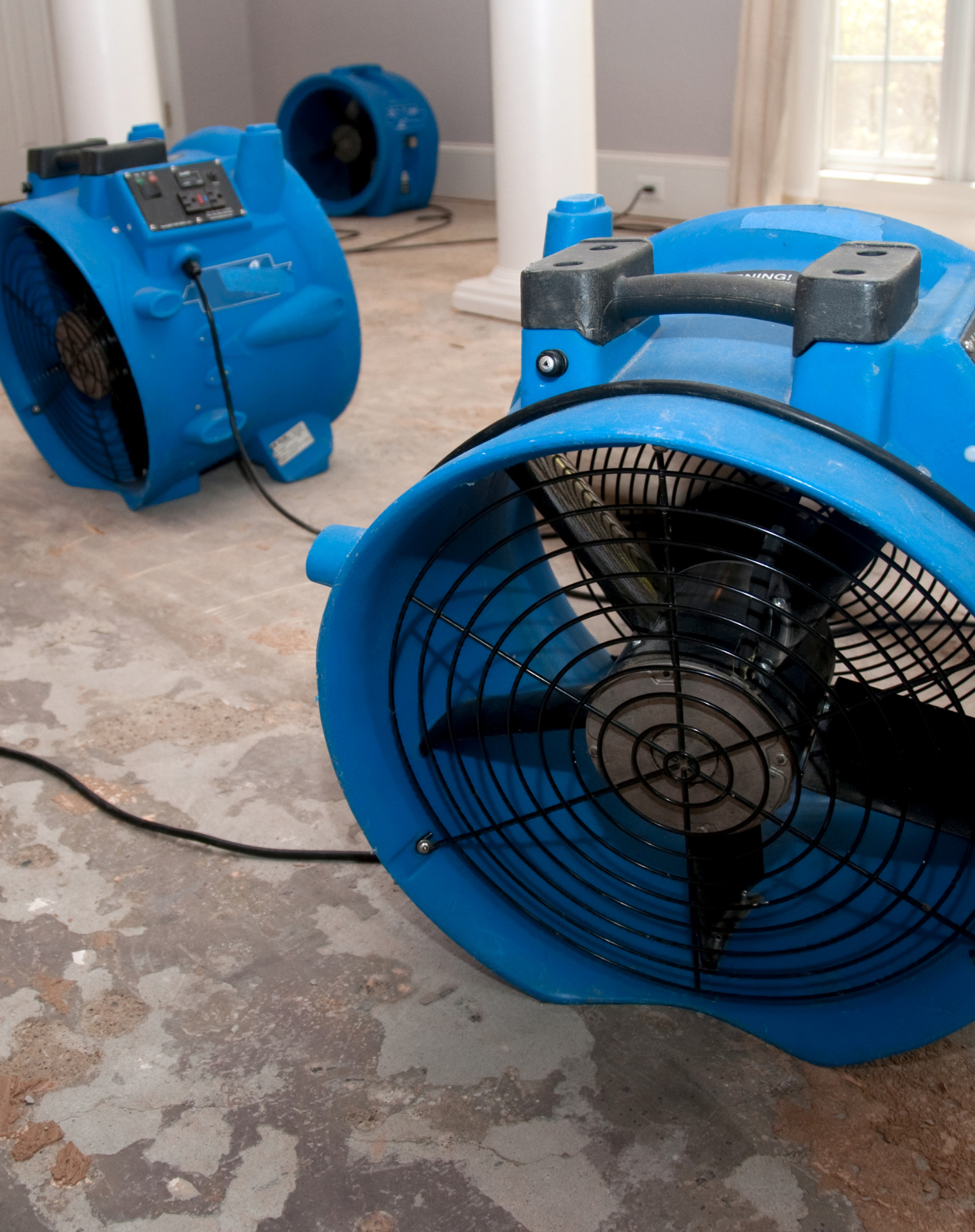
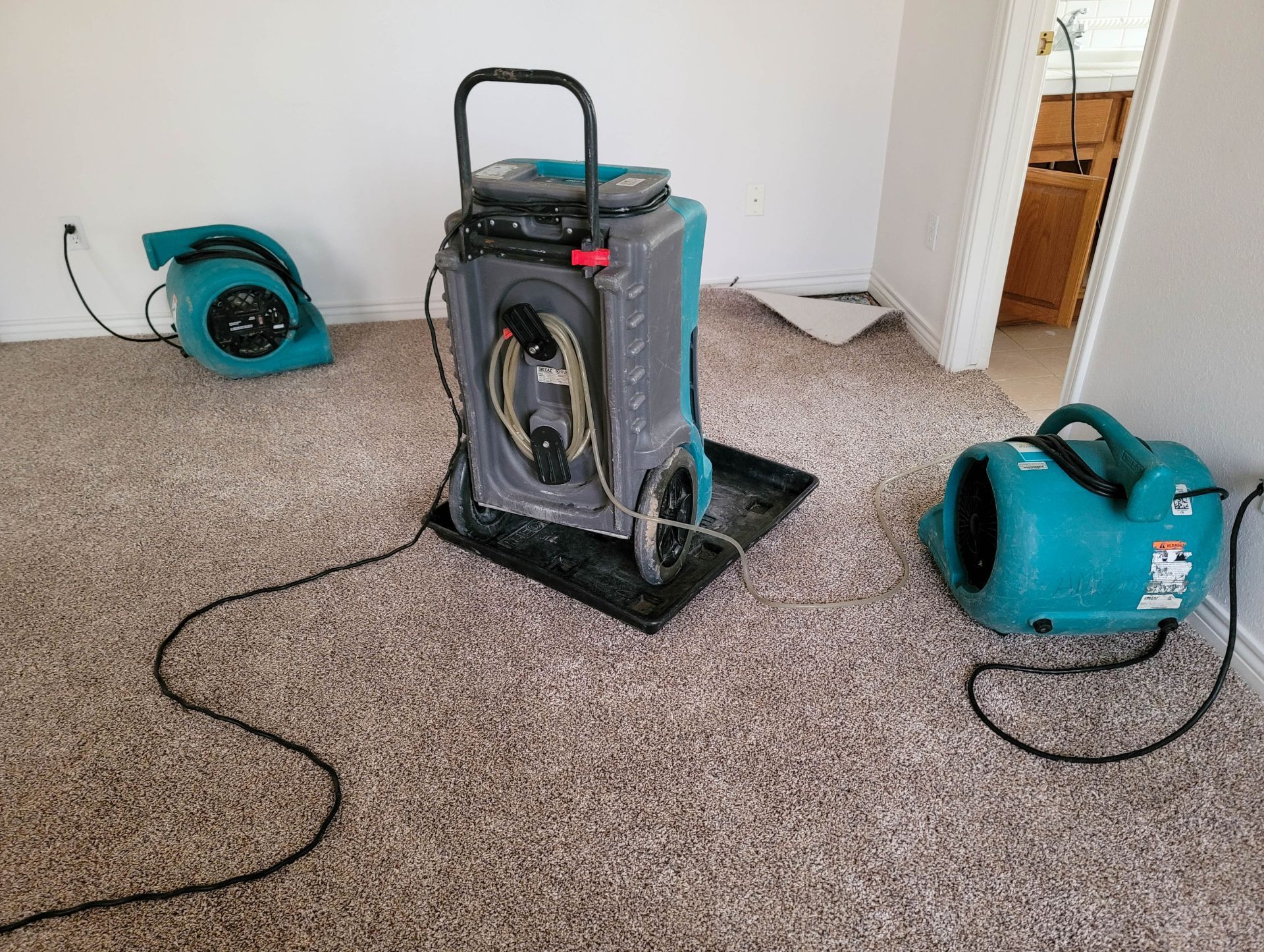
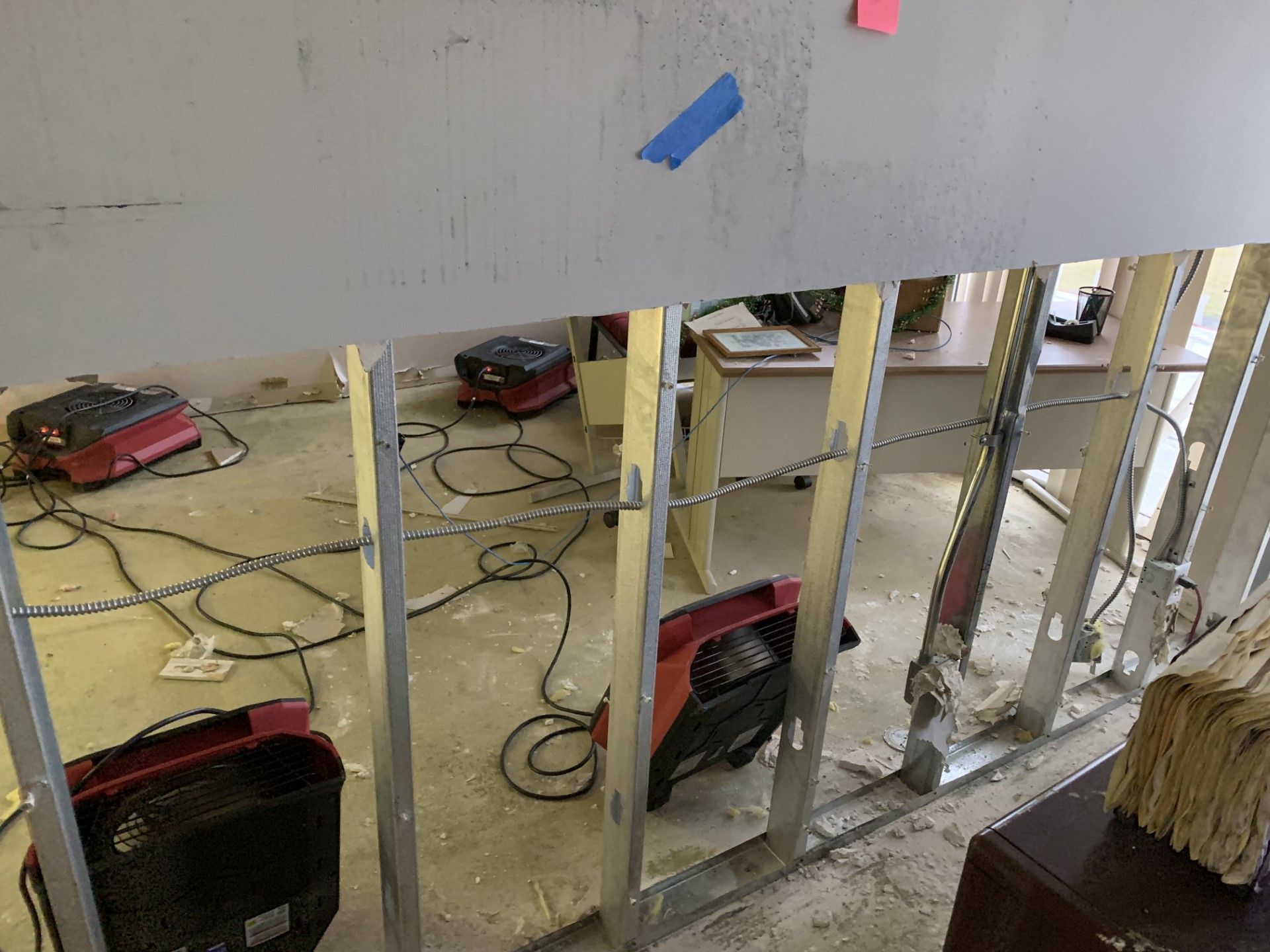
Flooded basements often contain hidden moisture that can lead to mold growth and structural issues. Professional restoration teams use specialized equipment to fully dry the space and prevent long-term problems.
When to Call a Professional for Basement Flooding
While regular sump pump maintenance helps reduce the risk of flooding, some situations require immediate professional help.
You should contact a restoration professional if:
- Your sump pump stops working during heavy rain
- Water continues entering your basement
- Standing water remains after the storm
- You notice signs of mold growth
- Your basement floods repeatedly
Professional water damage restoration ensures that moisture is fully removed and the affected areas are properly cleaned and dried.
Professional Water Damage Restoration in Dayton, Ohio
When sump pump failures lead to basement flooding, professional restoration services can help restore your home safely and efficiently.
Restoration specialists typically provide:
- Emergency water extraction
- Industrial drying and dehumidification
- Cleaning and sanitization
- Mold prevention and remediation
- Structural repairs and restoration
Quick response is essential to reduce damage and prevent mold growth.
Protect Your Home With Proper Sump Pump Maintenance
Heavy rain and groundwater pressure are common challenges for Ohio homeowners, especially in the Dayton area. Regular sump pump maintenance can help reduce the risk of basement flooding and protect your home from costly water damage.
However, even well-maintained systems can fail during severe storms. If your sump pump stops working or your basement floods, professional restoration services can help remove water, dry the space, and restore your home as quickly as possible.