What to Do After Basement Flooding in Dayton, Ohio
Basement Flooding Is a Common Problem in Dayton
Basement flooding in Dayton, Ohio, can be a common issue because of heavy rains, structural problems, and fluctuating groundwater levels. Frequent rainstorms and melting snow can push water into your basement. Appliances can fail, or pipes can burst, causing basement flooding. Understanding what to do and who to call when your basement floods can reduce the impact.
Common Causes of Basement Flooding in Dayton Homes
Basement flooding can be a common problem for Dayton homeowners caused by both home maintenance issues and environmental conditions. Understanding the potential causes allows you to take steps to protect your home before it happens.
Below are some of the typical causes to be aware of:
- Heavy rain that exceeds the capacity of a drainage system
- Poor grading that causes water to collect around the home’s foundation
- Foundation walls that are deteriorating or cracked
- Clogged, blocked, or damaged gutters and downspouts
- Sump pump failures or no backup system
- Groundwater pressure forces water through basement floors or walls
- Aging, clogged, or broken sewer lines that cause backups
- Leaking window wells due to failed seals or the buildup of debris
What to Do Immediately After Basement Flooding
Acting quickly to address a flooded basement in Dayton can make a big difference if you don’t want it to get worse. Even small amounts of standing water can quickly cause mold growth, damage your foundation, affect air quality, and ruin your possessions. The longer water sits, the more expensive repairs can be. Taking immediate action can lessen the impact and safeguard your home.
Make Sure It’s Safe to Enter the Basement
You should assume your basement isn’t safe after it floods, so before you step into it, turn off your electricity. Don’t allow your family or your pets to enter the basement. Standing water can create dangerous electrical risks and weaken structures, causing floors to become unstable. Call a professional water restoration expert for an inspection before attempting to clean up your basement.
Stop the Source of the Water (If Possible)
If you confirm your basement is safe to enter after it floods, try to stop active water flow to prevent further damage. If a plumbing issue caused the flooding, shut off the main water valve. Turning the water off at the main water supply can ensure the situation doesn’t get worse if it's caused by a leaking appliance, a burst pipe, or an overflowing drain. If heavy rain has caused flooding to enter from outside, you can minimize intrusion by ensuring your sump pump is operating properly, reduce entry points, and try to redirect water away from the foundation.
Document the Damage for Insurance
When you file a claim, insurance companies want proof of the damage in your basement, so document it with photos and videos of the water levels and items that were ruined. Relocate your belongings to a drier location to prevent more damage. Call our water restoration experts immediately to start cleanup and repairs.
Why You Should Avoid DIY Basement Flood Cleanup
Attempting to handle DIY basement flooding cleanup can be more complicated than many homeowners realize. Contaminated water containing bacteria or chemicals can seep behind your walls, under your floors, and into your home’s insulation, causing long-term hazards. Without access to the proper equipment, it's hard to remove moisture from hidden areas. Restoration professionals wear proper protection and use effective tools to dry and sanitize your basement so your health won’t be at risk. They know how to safely manage contaminated water and correctly restore it.
How Professional Basement Flood Cleanup Works
To restore your home to pre-flood condition, our professional basement flood cleanup process eliminates water quickly and dries out the basement. Our effective cleanup methods and specialized equipment enable us to extract the water, stop mold from developing, and sanitize the area so long-term damage will be minimized.
Water Extraction and Pump-Out
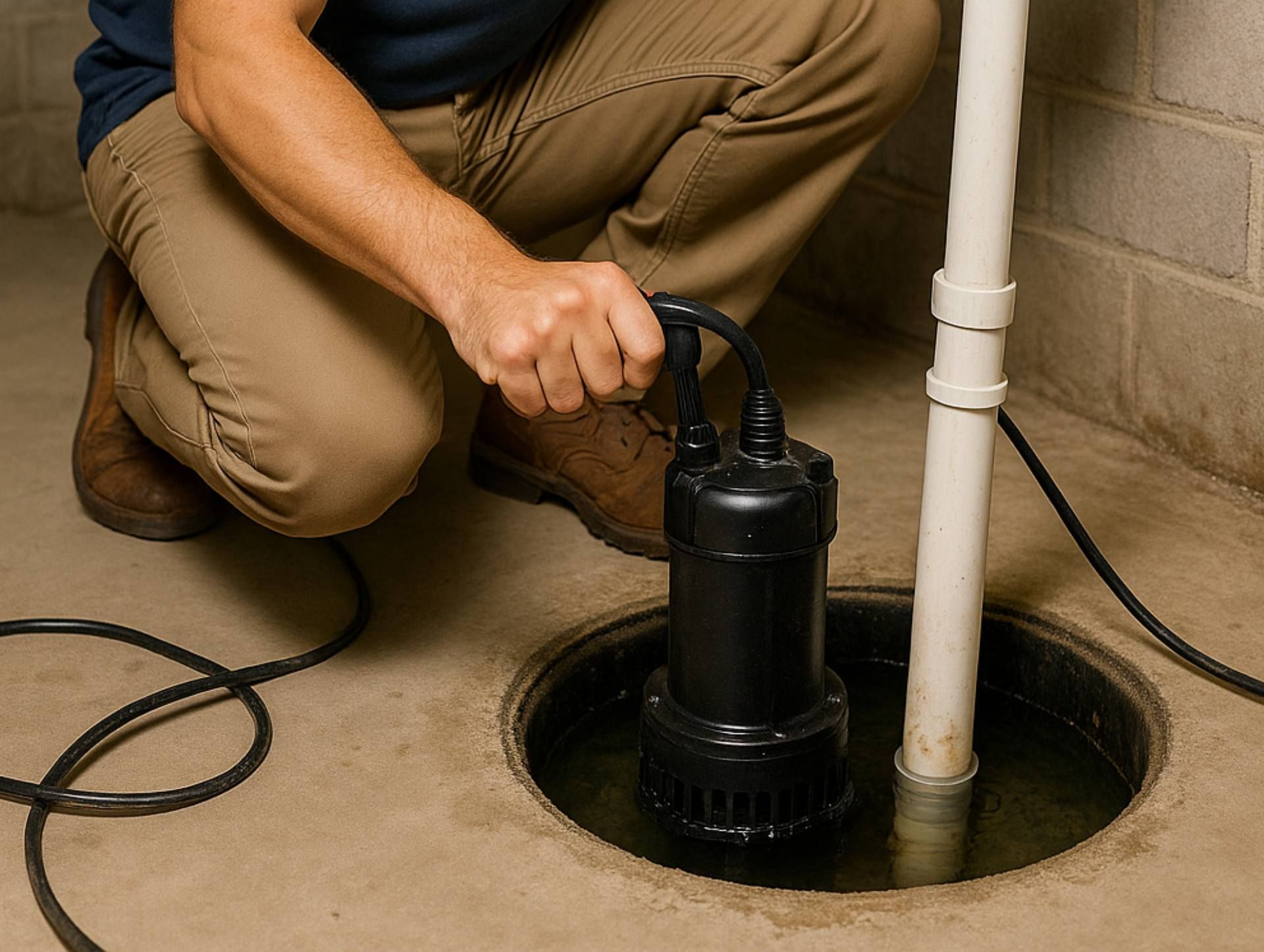
Any standing water in your basement will be removed using high-powered pumps and extraction tools to prevent it from soaking deeper into your walls, floors, and damaging your personal belongings. Removing the water quickly ensures your home is safe and prepares your basement for the drying process.
Drying and Dehumidification
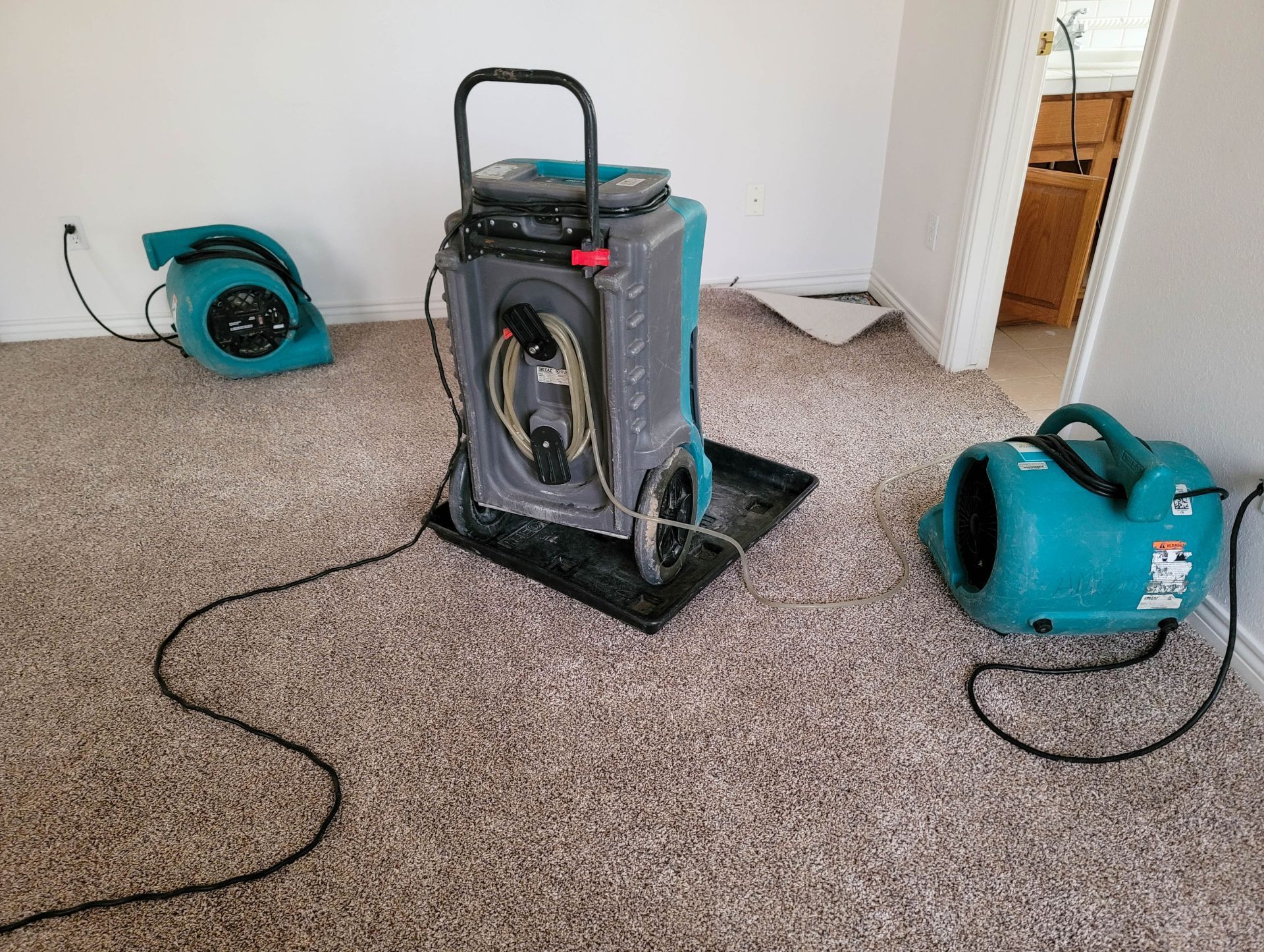
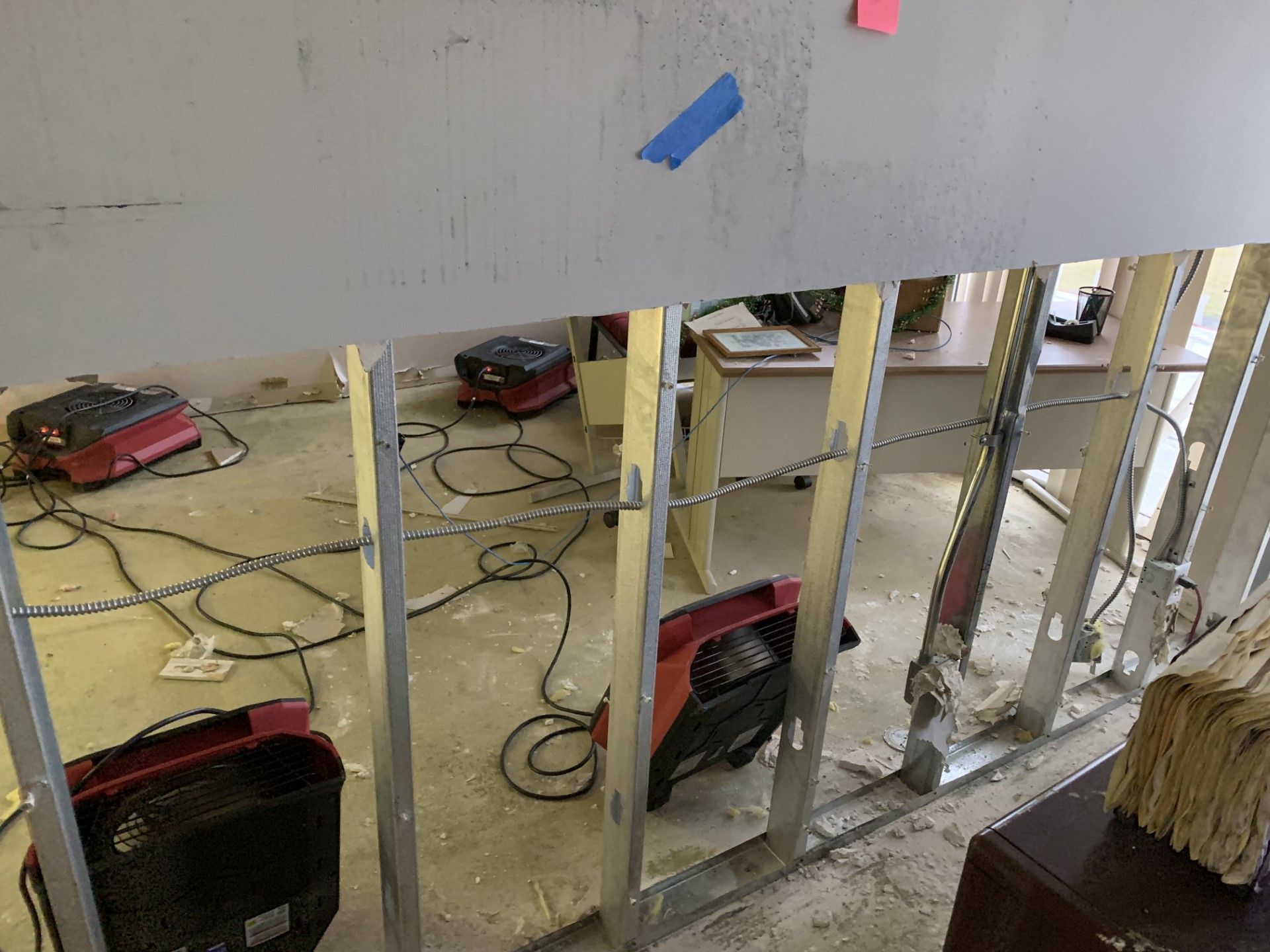
After extracting the water, we use industrial-grade air movers and dehumidifiers to remove moisture from the air, walls, floors, and hidden areas. Thoroughly drying these prevents mold from growing and helps prevent structural problems in the future.
Cleaning, Sanitizing, and Odor Removal
When the moisture has been eliminated and your basement is dry, our crews clean and disinfect the area while removing contaminants that were in the floodwater. Odors are treated and neutralized to improve air quality. Then your basement is safe and sanitary and ready for the final stage of restoration.
Repairs and Restoration
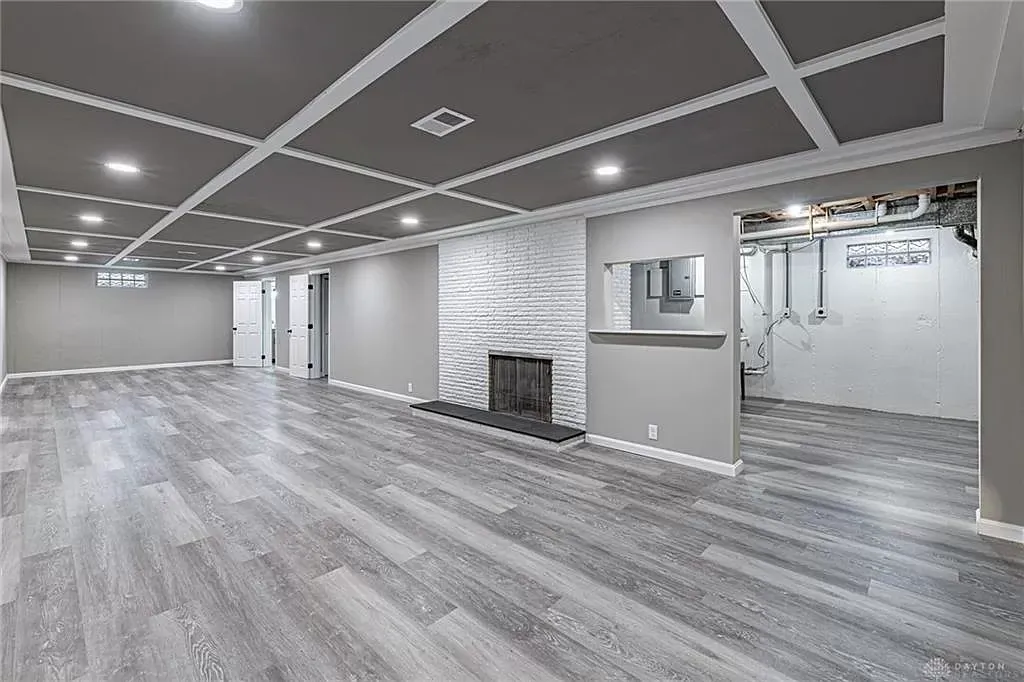
After moisture is eliminated and the area is dry, basement water damage restoration begins. Technicians will then replace damaged drywall, floors, and insulation, so the home will be functional again.
Health and Mold Risks After Basement Flooding
In 24 to 48 hours, moisture can cause bacteria and mold to grow in your flooded basement, if not sanitized, risking the health of family members who suffer from allergies or breathing problems. Professional cleaning and restoration are essential to keep your home safe.
Will Insurance Cover Basement Flooding in Dayton?
Depending on what caused the flooding to occur in your basement, some insurance policies will cover it. It’s wise to confirm your coverage by reviewing your policy before filing a claim. Damage caused by groundwater or storms sometimes requires you to have a separate policy.
How Professional Documentation Helps With Claims
Having restoration professionals document the damage caused by flooding can strengthen your insurance claim. Our technicians will record water levels and take photos to maximize your claim, which can help accelerate the insurance approval process.
When to Call for Emergency Basement Flood Cleanup in Dayton
Call Dry Maxx for Dayton emergency basement flood cleanup immediately if water is rising in your basement or you notice dangerous electrical hazards. Prompt action can prevent long-term health risks, stop damage from worsening, and keep your home and family safe.