Preparing Your Dayton Home for Spring Flood Season
Spring flooding is a recurring challenge for Dayton homeowners, but early preparation will ensure your basement, its foundation, and your sump pump are ready to handle potentially rising groundwater and heavy rainfall. If you need to know how to prepare for spring flooding, inspect and improve your drainage system, and seal off vulnerable areas to protect your home before springtime.
Why Spring Flooding Is a Risk in Dayton
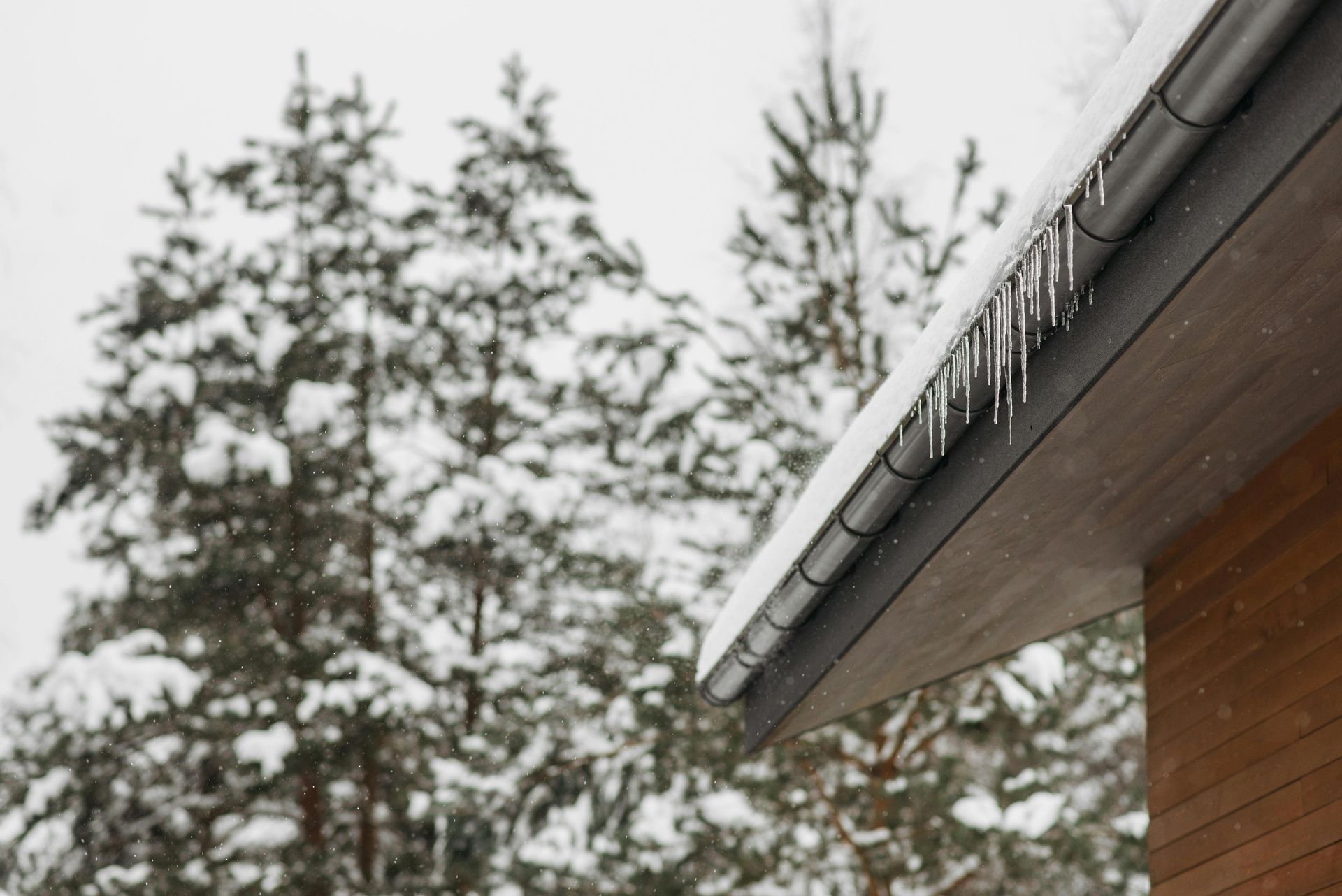
A major concern for local homeowners is spring flooding in Dayton, Ohio, because intense seasonal rainstorms and melting snow quickly saturate the soil around their homes. When groundwaters rise, drainage systems can’t keep up and become overwhelmed, while water builds up against foundations. This stress affects sump pumps and gutters, increasing the risk of basement flooding and costly damage.
Common Causes of Spring Flooding in Dayton Homes
Dayton homes are especially vulnerable to spring flooding when melting snow and seasonal storms put extra pressure on drainage systems and expose their weaknesses. Knowing what commonly causes flooding can help you prevent costly damage so you can take proactive steps to safeguard your property before severe weather conditions hit.
Sump Pump Failures During Heavy Rain
Sump pumps frequently run non-stop and can potentially fail during and after spring storms, especially if your system is outdated or the pit fills faster than the sump pump can drain it. Power outages, mechanical failures, clogged discharge lines, or aging equipment can mean your Dayton basement is unprotected. If a sump pump stops working, flooding can happen within minutes, leading to costly failures and structural damage.
Poor Drainage Around the Foundation
Improper grading and inadequate drainage around the foundation allow rainwater to saturate the soil during spring storms, and pool next to your home. Water flows toward the foundation instead of away from it, increasing hydrostatic pressure on your basement’s walls. Poor drainage allows moisture to seep into cracks, causing weak points to develop in the basement, leading to leaks and flooding.
Correcting drainage issues early can prevent long‑term structural damage.
Clogged Gutters and Downspouts
Gutters and downspouts blocked with leaves or debris prevent rainwater from flowing away from your roof and foundation. When water cannot flow through the downspouts, it can spill over the edges and saturate the ground near your foundation, increasing the risk of basement flooding. Consistent gutter maintenance is important for Dayton homeowners, especially during the spring rainy season.
Foundation Cracks and Basement Leaks
Dayton homes with aging foundations are especially vulnerable to leaks and cracks during heavy Dayton rainfall. Water finds its way into gaps and porous concrete, causing damp walls to become damaged, mold growth, basement flooding, and serious structural issues. When foundation cracks are sealed and drainage improves, it can significantly reduce water intrusion.
How to Prepare Your Home for Spring Flood Season
If you prepare key areas of your Dayton property ahead of time, you can significantly reduce the chances of water intrusion and basement damage caused by rising groundwater, saturated soil, and intense storms.
Inspect and Test Your Sump Pump
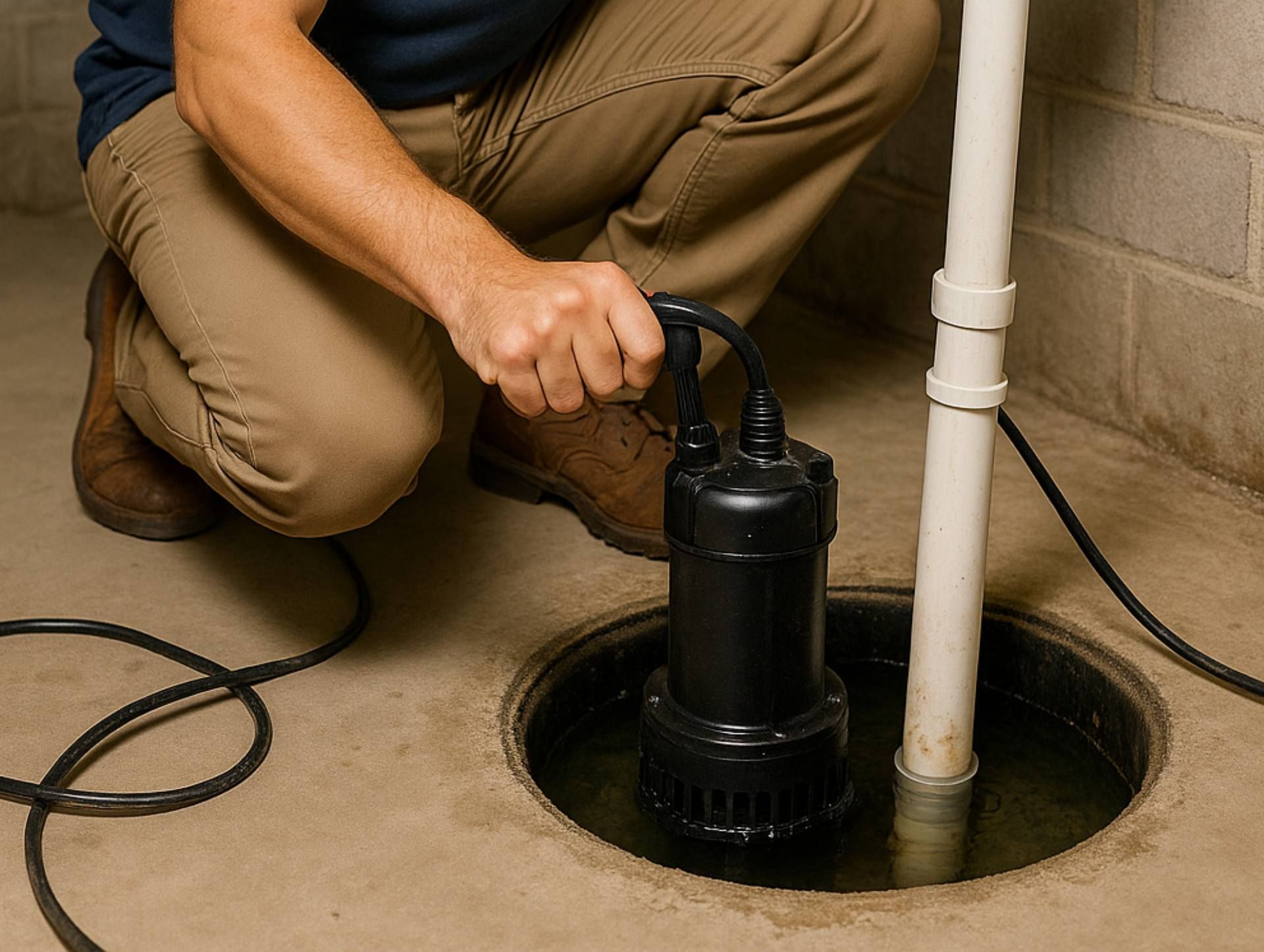
Testing your sump pump before spring storms hit can let you know if it will withstand rising groundwater levels. Pour water into the pit to confirm the pump activates and efficiently drains water away from your home and is functioning properly. If you notice unusual noises or if drainage is slow, it might be time for maintenance or replacement.
Clean Gutters and Extend Downspouts
Overflowing gutters contribute to foundation damage and basement moisture during Dayton’s rainy season. Make sure downspouts are free of blockages and positioned several feet away from your home to move water well away from it. Proper gutter care is one effective way to prevent water intrusion.
Check Your Basement for Early Warning Signs
Basements often reveal subtle clues that water is finding its way inside your home. Look for peeling paint, musty odors, discoloration on walls, condensation, or small puddles, which can be signs of a developing leak. Catching issues early helps Dayton homeowners avoid more serious flooding.
Seal Cracks in Foundation Walls
Even small cracks in your home’s foundation can allow water to seep into your basement. Sealing these cracks with waterproof epoxy or professional‑grade sealant helps block moisture before it becomes a bigger issue. Early repairs reduce the risk of structural damage. Dayton homes that have older foundations can benefit from annual inspections.
Install a Battery Backup for Your Sump Pump
Power outages are common during Dayton’s spring storms, leaving sump pumps unable to operate when they’re needed most. A preventative battery backup system keeps your pump functioning even when there’s an electrical failure, giving you peace of mind. Some Dayton residents think a sump pump backup battery is one of their most valuable flood‑prevention investments.
Signs Your Home May Be at Risk for Flooding
Subtle warning signs show up in and around Dayton homes before flood damage occurs and expose hidden weaknesses in your drainage and waterproofing systems. Heavy rains can cause expensive damage to various structures of your home. From moisture buildup to poor drainage, these indicators can reveal water intrusion and vulnerable spots that need attention. Identifying the risks below now can protect your basement, foundation, and your property value.
- Moisture, damp spots, or musty odors in the basement
- Water pooling near your foundation after heavy rainfall
- Cracks in basement walls or floors
- A sump pump that makes unusual noises or runs constantly
- Overflowing or clogged gutters and downspouts
- Soil erosion or sinking areas around the home
- Condensation on basement walls or windows
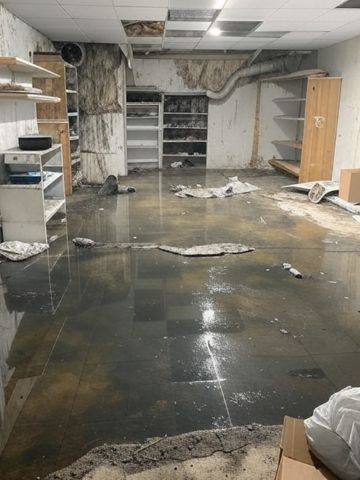
What to Do If Your Basement Starts Flooding
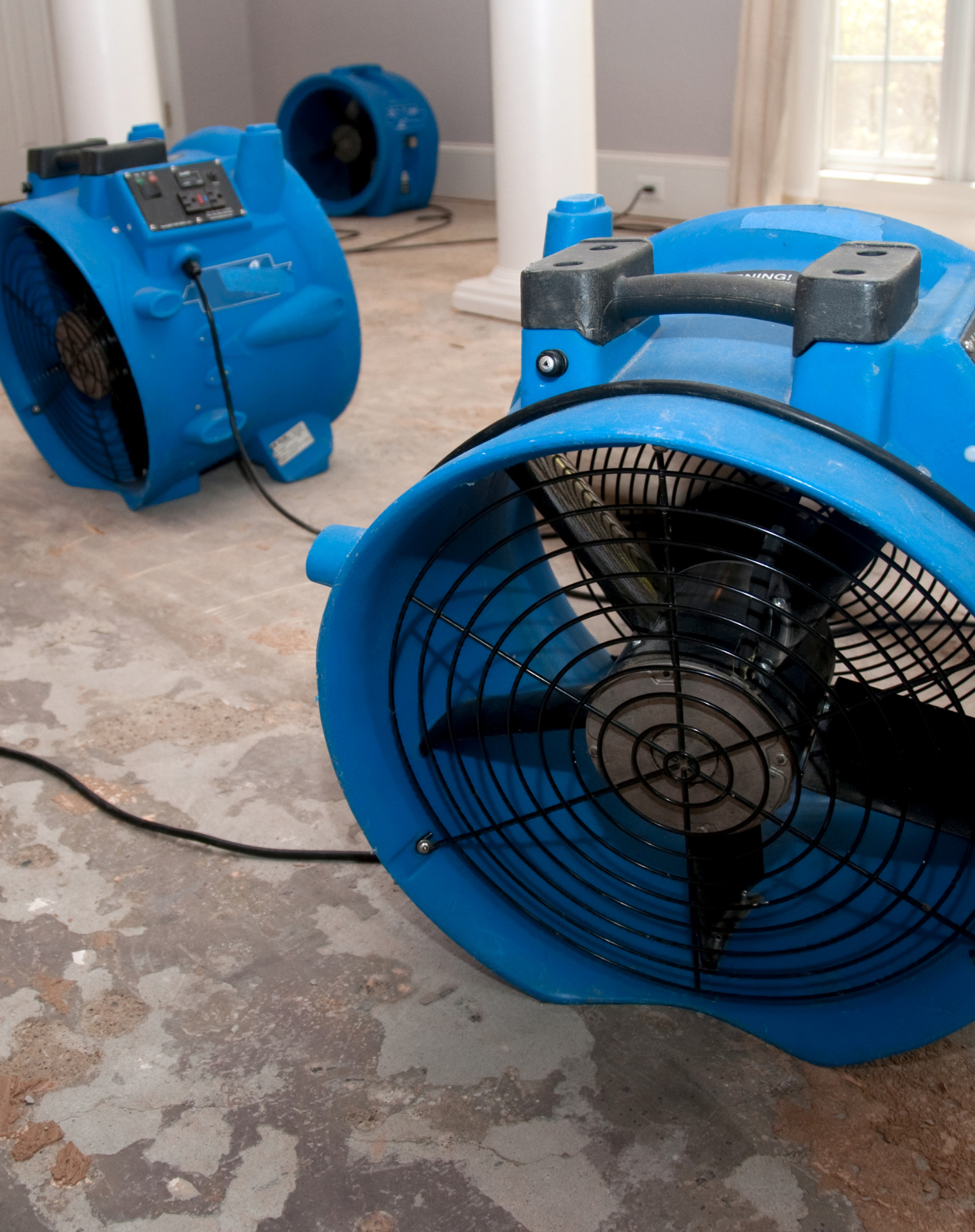
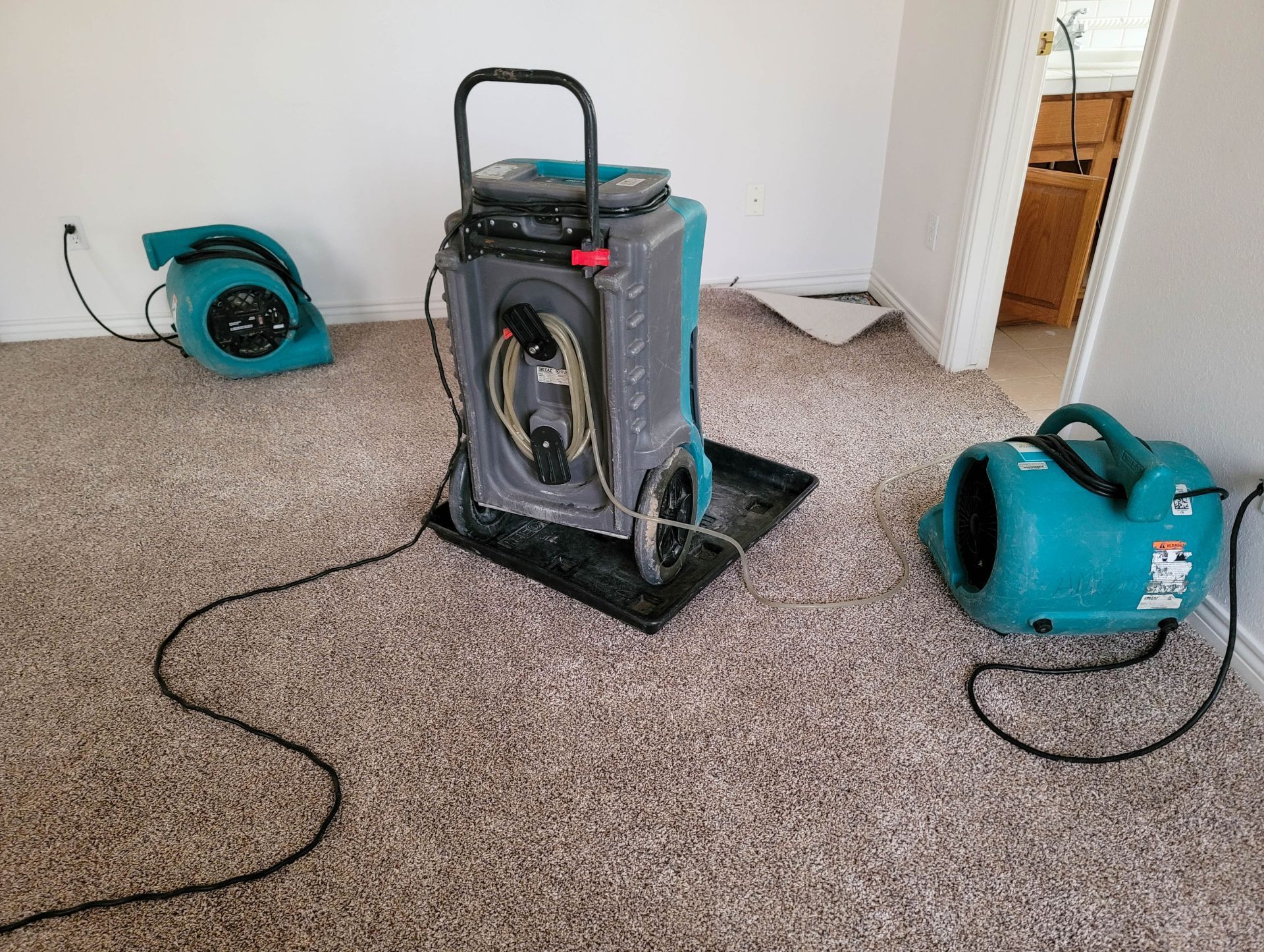
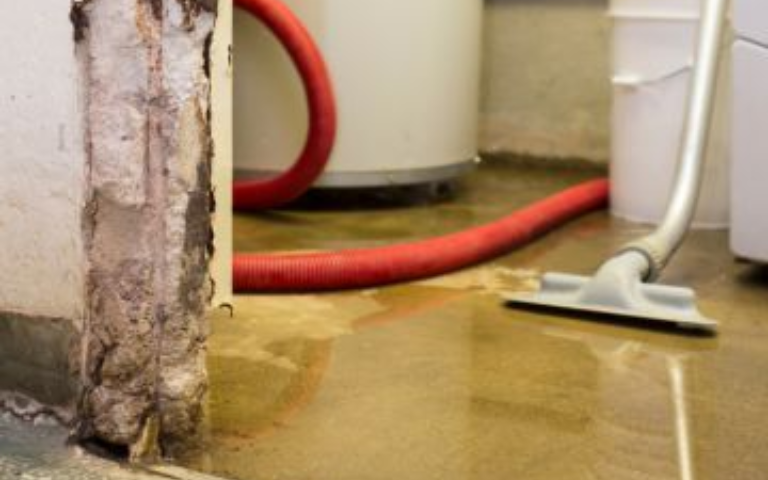
If rising water begins flooding your basement during a Dayton spring storm, shut off the power to prevent electrical hazards. Move your valuables, storage bins, and furniture out of the area quickly to limit damage. Contact us at Dry Maxx, so our trained specialists can extract the water, dry the space, and prevent further storm‑related destruction.
Why Fast Action Matters for Water Damage in Dayton
Water damage escalates rapidly during Dayton’s heavy spring rainfall. Take immediate action to stop moisture from spreading into drywall, insulation, and electrical systems. Fast intervention also reduces the risk of mold growth, which can begin within 24–48 hours. The sooner you call our professionals at Dry Maxx when you find moisture or mold, the faster it will be to remove moisture and mold from causing further damage to your home.
Protect Your Dayton Home Before the Next Storm Hits
Taking proactive steps can prevent water intrusion, basement flooding, and stop mold from damaging your home. When you need expert spring storm water damage prevention, protection, and fast response before or after the next storm arrives, Dry Maxx is the team Dayton homeowners rely on.
Don’t Wait Until Flooding Starts
Spring storms in Dayton can overwhelm your home quickly. If your sump pump fails or water starts entering your basement, fast action is critical.
📞 Call DryMaxx for 24/7 emergency water damage restoration in Dayton, OH.
Get fast response, expert cleanup, and protection for your home before damage spreads.