Chimney Fires, Space Heaters and Holiday Fire Risks: Smoke Damage Cleanup in the Miami Valley
Winter in the Miami Valley means fires in the fireplace, space heaters in chilly rooms, a Christmas tree in the corner, candles on the table, and a kitchen that rarely gets a break. Each of these adds warmth to the season, and each one adds fire risk. When several of them share the same room, a small mistake can turn into a fire quickly.
Even a fire that is put out in minutes can leave smoke damage and odor throughout the house. Soot settles on walls and ceilings, travels through ductwork, and works its way into carpet, furniture, and clothing far from where the fire started.
Long Dayton winters keep heating equipment running for months, and many older homes in Dayton, Kettering, and Oakwood still rely on original chimneys and aging electrical systems. This guide covers how to reduce the biggest winter fire risks, how smoke damage spreads, what to do after a house fire, and what professional smoke damage cleanup looks like.
Why Winter Is Peak Season for House Fires in the Miami Valley
Home fires rise when the weather turns cold. According to the National Fire Protection Association, heating equipment is one of the leading causes of home fires in the United States, and December is a peak month for fires started by candles and holiday decorations.
The reasons are easy to see. Families spend more time indoors, fireplaces and space heaters run for hours at a time, extension cords power trees and light displays, and holiday cooking keeps ovens and stovetops busy. In the Miami Valley, where cold weather often lasts from November into March, that higher risk stretches across much of the year.
The good news is that most winter fires are preventable. The sections below cover the most common risks and the simple steps that reduce them.
Chimney Fire Risks and Fireplace Safety
A wood-burning fireplace is one of the best parts of a Dayton winter, but it needs regular care to stay safe.
What Causes a Chimney Fire
Most chimney fires start with creosote, a dark, flammable residue that builds up inside the flue as wood burns. Burning wet or unseasoned wood, running low, smoldering fires, and restricting airflow all speed up creosote buildup. Once enough collects, a hot fire or a stray spark can ignite it. Older masonry chimneys with cracked liners or deteriorating mortar add risk, because heat and flames can reach the wood framing around the chimney.
Signs of a Chimney Fire
A fast-burning chimney fire is hard to miss. Watch for loud cracking or popping, a roaring sound coming from the chimney, dense smoke, and a strong, hot smell. Slow-burning chimney fires are quieter and can go unnoticed, but they still damage the chimney. After a fire, look for flaky or puffy creosote, a cracked or collapsed flue liner, a warped damper or metal parts, discolored masonry, or smoke escaping through cracks in the chimney.
Fireplace Safety Tips for Dayton Homeowners
- Have your chimney inspected and swept by a certified professional every year
- Burn only dry, seasoned hardwood, never trash, cardboard, or wrapping paper
- Use a sturdy fireplace screen to keep sparks and embers contained
- Keep stockings, garland, furniture, and anything flammable at least 3 feet from the fireplace
- Store ashes in a metal container with a lid, placed outside and away from the house
- Never close the damper while embers are still hot
How to Prevent a Space Heater Fire
Space heaters are a common way to warm drafty rooms, basements, and home offices, but a space heater fire can start quickly when the heater sits too close to something that burns.
Follow these rules to use space heaters safely:
- Give it space. Keep heaters at least 3 feet from bedding, curtains, furniture, clothing, paper, and holiday decorations.
- Plug it into the wall. Space heaters draw a lot of power. Plug them directly into a wall outlet, never into an extension cord or power strip.
- Choose built-in safety features. Look for models with automatic tip-over shutoff and overheat protection, and a label from a recognized testing lab.
- Never leave it running unattended. Turn heaters off when you leave the room or go to sleep.
- Keep it on a flat, hard surface. Avoid placing heaters on rugs or carpet where they can tip or block airflow.
Many homeowners use space heaters in basements, garages, and crawl spaces to keep pipes from freezing. The same clearance rules apply there. For more ways to protect your plumbing this winter, read What to Do When a Pipe Bursts in Your Dayton Home.
Christmas Tree Fires and Other Holiday Fire Safety Risks
Holiday decorations make homes festive, and a few simple habits keep them from becoming a hazard.
Christmas Tree Fire Safety
Christmas tree fires are not common, but when they happen, they are dangerous. A dry tree can ignite and spread flames across a room in seconds. Reduce the risk with these steps:
- Choose a fresh tree with green needles that don’t fall off easily
- Cut about an inch off the trunk before setting it up, and water it every day
- Keep the tree at least 3 feet from fireplaces, space heaters, radiators, and heat vents
- Check light strings for frayed wires, broken sockets, or loose connections before hanging them
- Turn off tree lights before leaving the house or going to bed
- Take the tree down once it starts to dry out
Candles, Lights, and Holiday Cooking
Candles are a top cause of holiday fires. Keep them away from trees, curtains, and decorations, place them on stable surfaces, and blow them out before leaving the room. Consider flameless candles for mantels and windowsills.
Avoid overloading outlets with lights and decorations, and only use outdoor-rated lights outside. In the kitchen, stay with the stove while cooking, keep towels and packaging away from burners, and keep a lid nearby to smother a small grease fire. Even a small kitchen fire can leave behind more smoke damage than you might expect. Learn more in The Hidden Damage Caused by Smoke After Small Kitchen Fires.
How Smoke Damage Spreads Through Your Home
Smoke damage almost always reaches farther than the fire itself. Hot smoke rises and moves toward cooler areas of the house, slipping through gaps around outlets, plumbing lines, attic openings, and doors. Within minutes, it can travel to rooms on other floors.
If the furnace or air conditioner is running, the HVAC system pulls smoke and soot into the ductwork and spreads it to every room. That is why homeowners often find soot on walls, ceilings, and vents in rooms the fire never touched.
Soot is more than a surface stain. Smoke residue is acidic, and the longer it sits, the more damage it does. Within days, it can discolor walls and grout, tarnish metal fixtures, etch glass, and corrode electronics. Smoke odor also soaks into porous materials like drywall, insulation, carpet, upholstery, and clothing, and it can linger for months if it isn’t treated at the source.
Types of Smoke Residue
Different fires leave different residues, and each one requires a different cleaning approach:
- Dry smoke comes from fast, hot fires burning paper or wood and leaves a powdery residue
- Wet smoke comes from slow, smoldering fires involving plastics or rubber and leaves a sticky, smeary residue with a strong odor
- Protein residue comes from kitchen fires and leaves a nearly invisible film with a strong smell
- Fuel oil residue comes from furnace malfunctions and leaves a thick, oily soot
Fireplace Smoke Damage and Furnace Puff Backs
Not all smoke damage comes from a house fire. A fireplace with a closed or blocked flue can push smoke back into the room and coat walls and ceilings with soot. An oil furnace can also misfire and cause a puff back, sending a cloud of fine, oily soot through the ductwork and into every room in the house. Both situations call for the same careful cleanup as fire-related smoke damage.
What to Do After a House Fire
The hours after a fire are stressful. These steps protect your family, your home, and your insurance claim:
- Stay out until it’s safe. Don’t go back inside until the fire department says the home is safe to enter.
- Contact your insurance company. Report the fire as soon as possible and ask about coverage for temporary housing if you can’t stay in the home.
- Document the damage. Take photos and video of every affected room and damaged belongings before anything is cleaned or thrown away.
- Secure the property. Board up broken windows and doors and tarp any roof openings to prevent weather damage and theft.
- Don’t run the HVAC system. Running the furnace or air conditioner can spread soot through the ducts. Have the system inspected first.
- Don’t try to wipe away soot. Rubbing soot off walls, upholstery, or carpet can push it deeper and leave permanent stains.
- Throw out exposed food and medicine. Discard food, medications, and cosmetics that were exposed to heat, smoke, or firefighting water.
- Call a fire and smoke damage restoration company. Smoke residue causes more damage the longer it sits, so fast professional cleanup saves more of your home and belongings.
Professional Smoke Damage Cleanup: What the Process Looks Like
Professional smoke damage cleanup removes soot, eliminates odor, and restores your home to its pre-fire condition. Here’s what house fire cleanup looks like with DryMaxx.
Damage Assessment
Our technicians inspect every affected area to see how far smoke and soot traveled, including inside walls, attics, closets, and ductwork. This assessment guides the cleanup plan and supports your insurance claim.
Board-Up and Water Removal
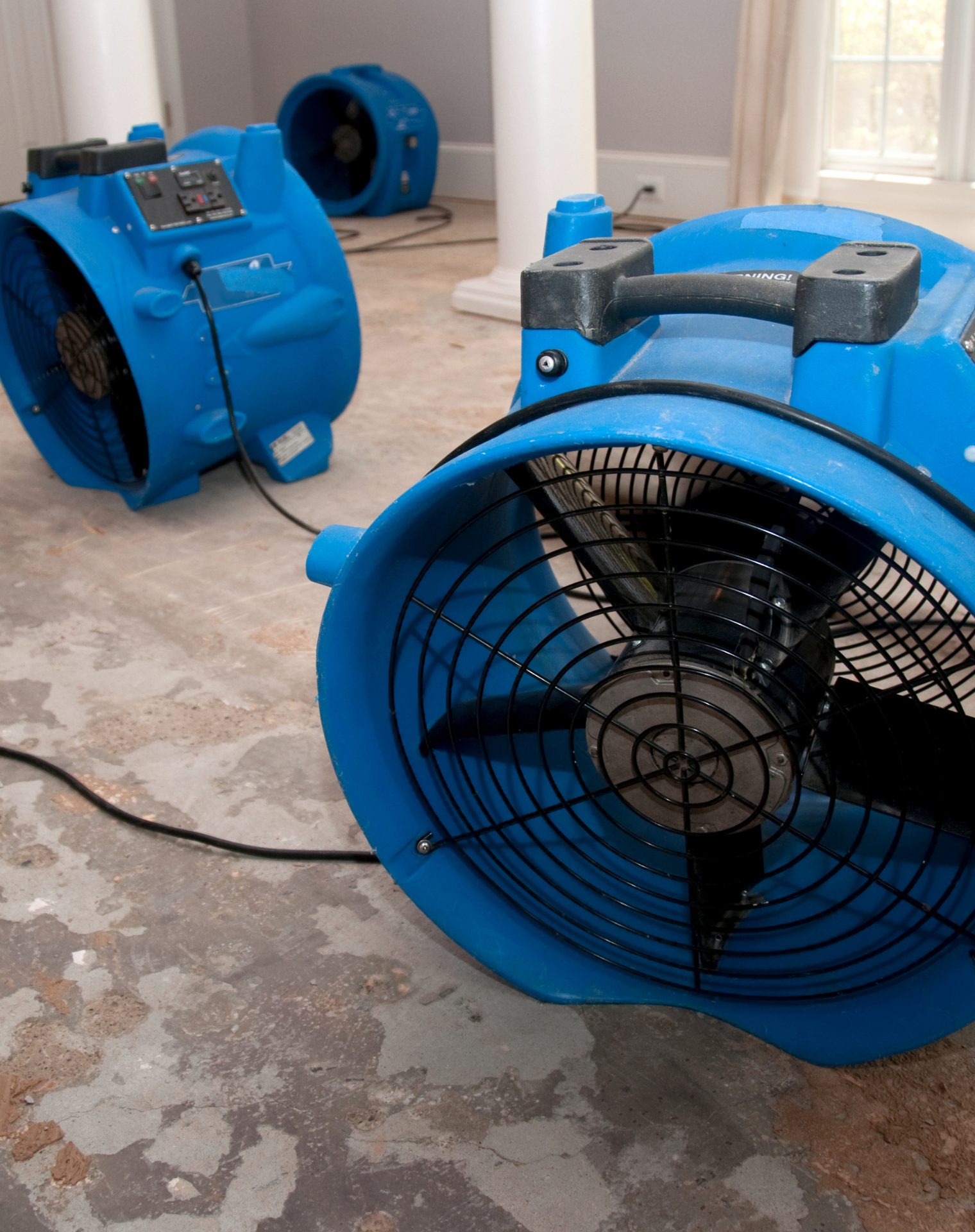
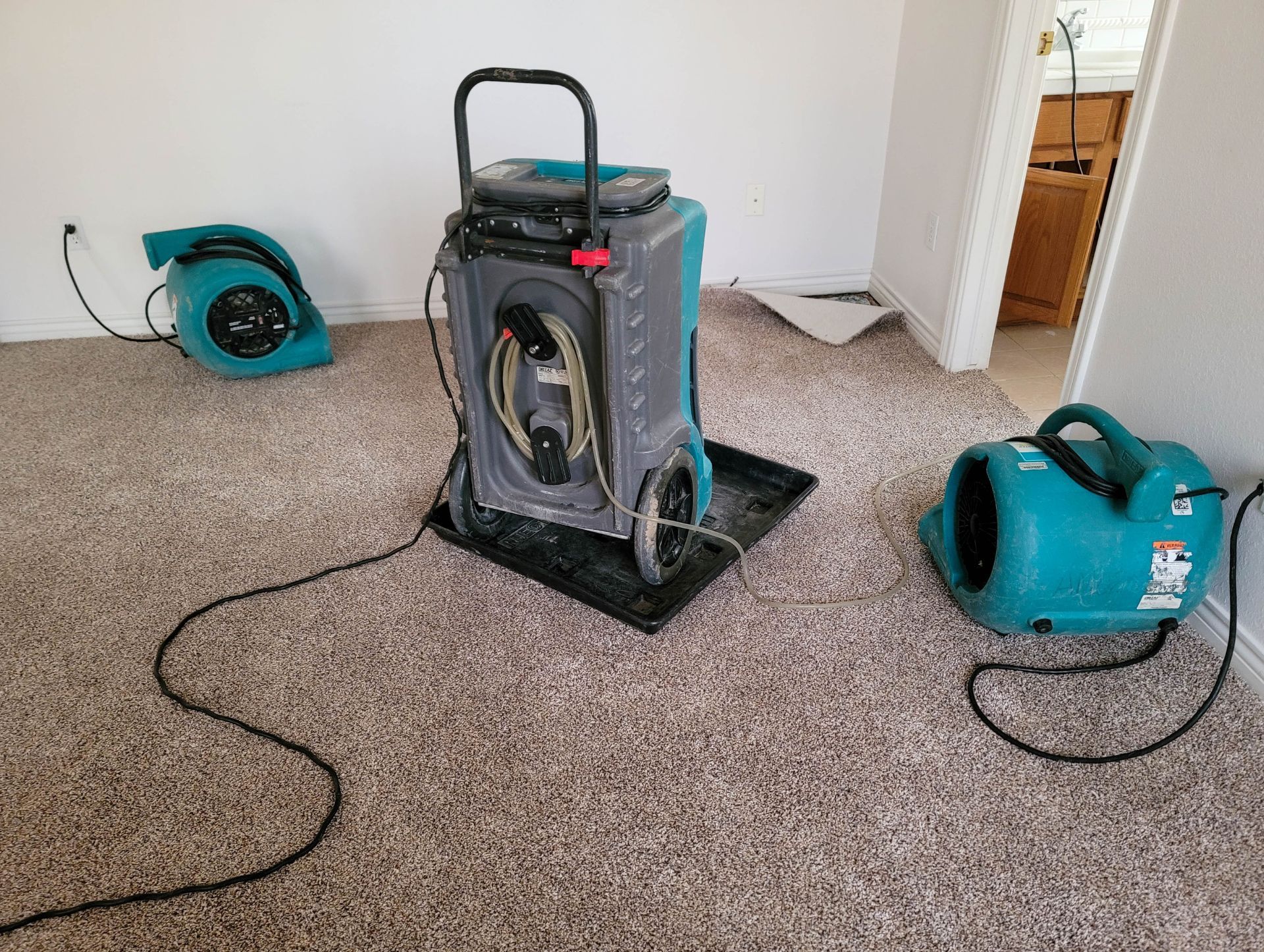
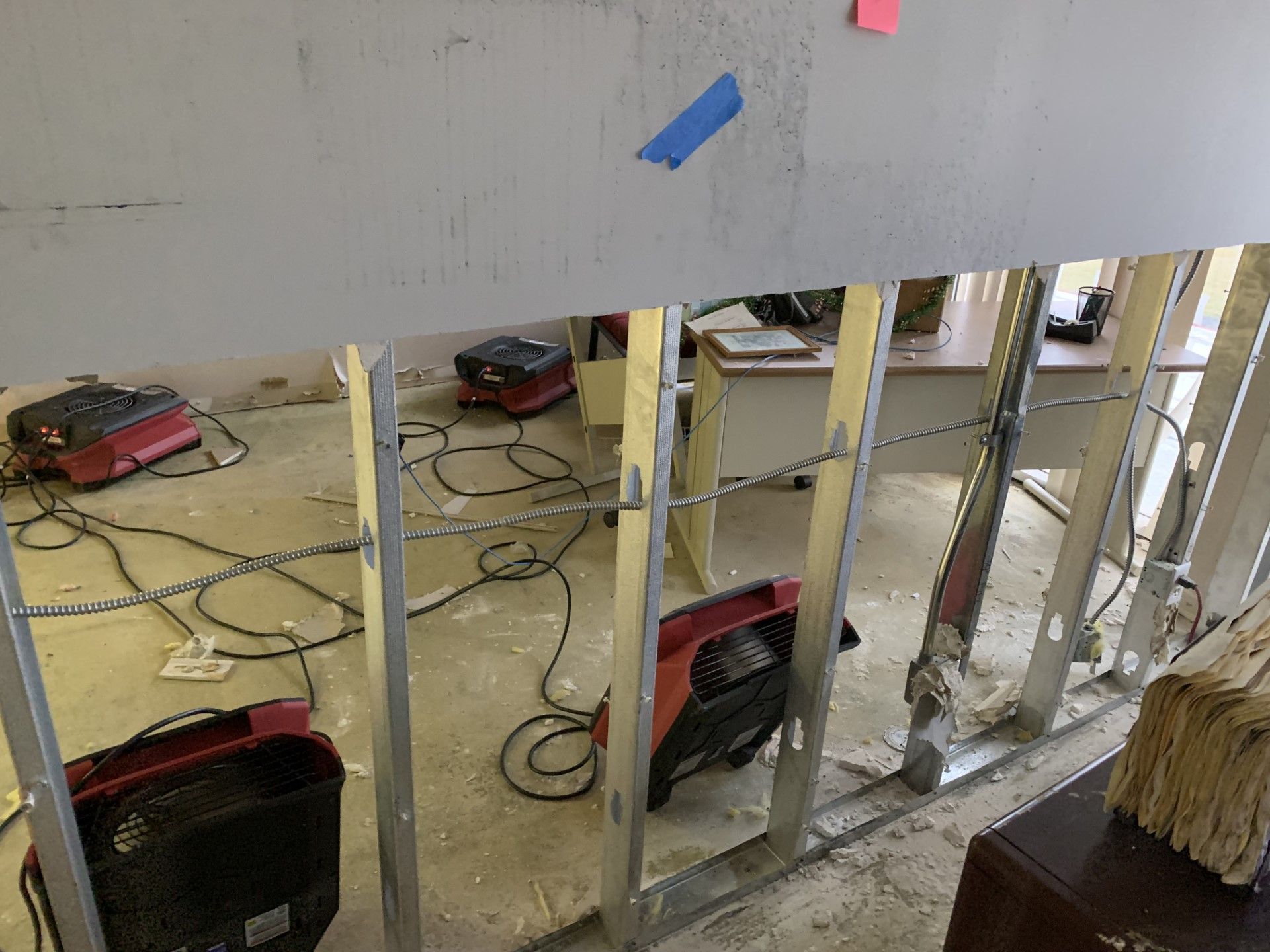
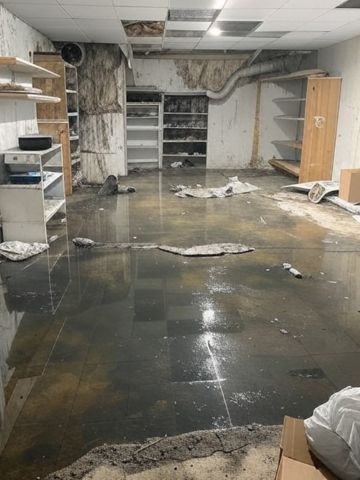
We secure the property with board-up and roof tarping when needed. Firefighting often leaves behind a large amount of water, so we extract standing water and dry affected areas to prevent mold and further damage.
Soot and Smoke Residue Removal
Each type of smoke residue requires the right cleaning method. Our team uses specialized products and techniques matched to the residue and the surface, from drywall and wood to fabrics and metal fixtures.
Smoke Odor Removal
Covering up smoke odor doesn’t solve the problem. We remove odor at the source with professional deodorization equipment that reaches smoke particles trapped in walls, carpet, and furniture.
Contents and HVAC Cleaning
Furniture, belongings, and the HVAC system all need cleaning after a fire. Clean ductwork keeps soot and odor from recirculating once the system is turned back on.
Repairs and Reconstruction
Once cleaning is complete, we repair and rebuild damaged areas, including drywall, paint, flooring, and finishes. Working with one team from emergency board-up through reconstruction keeps your project moving and simplifies the insurance process.
DryMaxx technicians are IICRC certified and trained in fire, smoke, and water damage restoration. Learn more on our fire damage restoration and smoke damage restoration pages.
Does Homeowners Insurance Cover Smoke Damage in Ohio?
In most cases, yes. Standard homeowners insurance policies generally cover fire and smoke damage, including cleanup, repairs, and damaged belongings. Many policies also include additional living expenses if you need to stay elsewhere during repairs. Coverage limits and exclusions vary, so review your policy carefully.
To protect your claim:
- Report the fire to your insurance company as soon as possible
- Document all damage with photos and video before cleanup begins
- Keep receipts for board-up, emergency services, and temporary housing
- Don’t throw away damaged items until your adjuster has seen them
DryMaxx works directly with insurance companies and helps homeowners through every step of the claims process, from documentation to final repairs.
Fire and Smoke Damage Restoration in Dayton and the Miami Valley
After a fire, you need a local team that responds fast and restores your home the right way. DryMaxx is a locally owned restoration company that has served Miami Valley homeowners since 2017. Our IICRC-certified technicians handle smoke and soot cleanup, odor removal, water extraction, and full reconstruction, so you work with one trusted team from start to finish. We also work directly with your insurance company to make the claims process easier.
We provide fire and smoke damage restoration throughout Dayton, Kettering, Centerville, Beavercreek, Huber Heights, Springboro, Fairborn, Xenia, Miamisburg, and surrounding communities.
Dealing with smoke damage after a fire? Call DryMaxx today. Our team will assess the damage, protect your property, and start restoring your home.
Call 937-470-3053 or request service online.
Smoke Damage Cleanup FAQs
How do I know if I had a chimney fire?
Fast-burning chimney fires cause loud popping or roaring sounds and dense smoke. Slow-burning chimney fires are harder to notice. Signs include puffy or flaky creosote, a cracked flue liner, a warped damper, discolored masonry, or smoke leaking through the chimney walls. If you suspect a chimney fire, stop using the fireplace and schedule an inspection.
Can smoke damage be cleaned, or do walls and belongings need to be replaced?
Many surfaces and belongings can be cleaned and restored if smoke damage is treated quickly. Drywall, furniture, and fabrics with heavy damage or deep odor may need to be replaced. A professional assessment will show what can be saved.
How long does smoke smell last after a fire?
Without professional treatment, smoke odor can linger for months because it soaks into drywall, insulation, carpet, and furniture. Professional deodorization removes odor at the source instead of masking it.
Is it safe to stay in a house with smoke damage?
Smoke residue and soot can irritate the lungs, eyes, and skin, especially for children, older adults, and anyone with breathing problems. If smoke damage is widespread, it’s best to stay elsewhere until the home has been professionally cleaned.
Does a small fire really need professional cleanup?
Yes, in many cases. Even a small fire can spread soot and odor far beyond the room where it started, and acidic residue can damage surfaces within days. Learn more in The Hidden Damage Caused by Smoke After Small Kitchen Fires.
What is a furnace puff back?
A furnace puff back happens when an oil furnace misfires and sends soot through the ductwork and into the home. It can leave a thin, oily layer of soot on walls, ceilings, and belongings throughout the house. Puffback damage needs the same professional soot cleanup as smoke damage from a fire.